Preamble
I am an altruistic, family-oriented, unconditionally-family-loving personality. I’m also a highly principled personality. Having enjoyed mercy and grace however, I’m glad to say that I now wear a balanced life lens with a focus on maneuvering the family terrains with much grace and mercy that I didn’t used to give or had. My life lenses got a corrective hack over the years and I thank God for it.
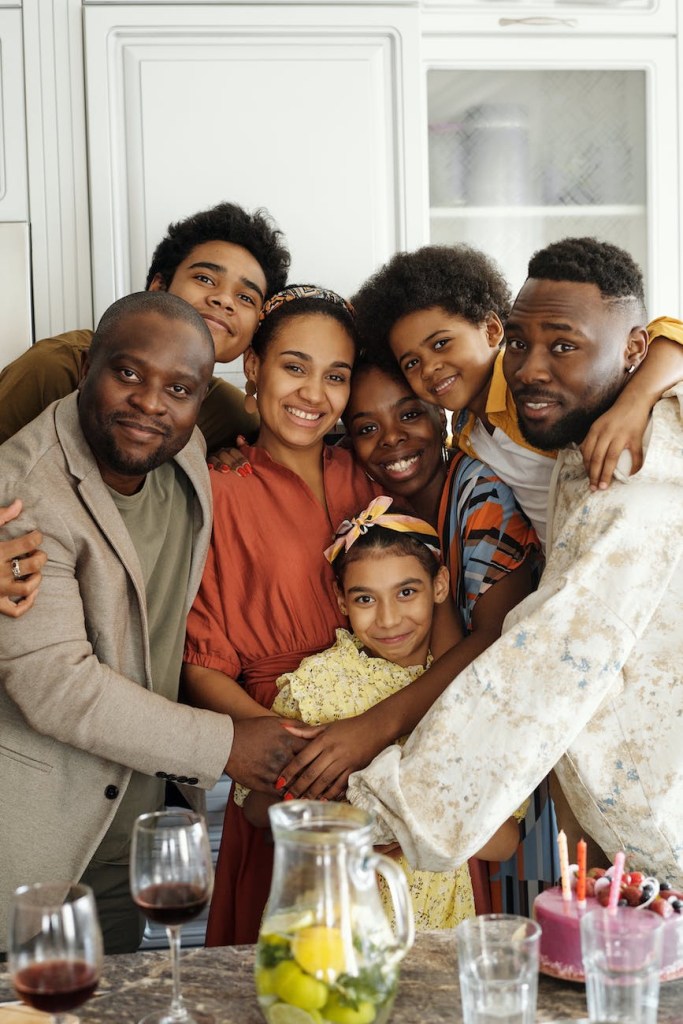
Family is love. Family is fun. Family is togetherness. Family is one’s bedrock. Family is understanding. Family is having each other’s backs. Family is our eco. Family is everything. As such, Family and conflicts ought to be strange bedfellows. So, where do those family conflicts come from and should there be conflicts in a truly loving family?
The Importance of Family
For most of us, family is the most important thing in our lives. It gives us our identity, meaning, foundation on which all our lives rest, we experience love (or the lack thereof) and important relationships through those around us, whether that be our parents, grandparents, our spouses, our children, siblings, or anyone whom we share a connection with. However, family life isn’t always all sunshine and butterflies. Often, we experience some tension and conflicts within our family. While these are uncomfortable experiences, they have become a part of being involved in complex family structures and some people say that they are normal. These conflicts can get even deeper when dealing with blended families.
Family is akin to a bunch of roses; we love its flowers that opens up to the widest eyes on receiving them, but if not handled right, its stems can poke and leave scars on our hands.
Think-Talk
Family is the cornerstone in most of our lives. In any society, family is the smallest but greatest social unit. Our family provides us with life supports: emotional support, psychological support when times get hard, and sometimes even financial support when we are really struggling to stay afloat. The warmth and familiarity that family bonds bring shape our identity and help us develop values. Let’s not forget about the potential lessons that familial relationships can teach us. Without our family, we would not be able to see ourselves from a loving, but critical outside, perspective that can really push us and help us in our personal growth.
Family and Conflicts
Conflicts devastate families such that what otherwise could have been a strong, loving, and united family becomes a divided, weak, and disgruntled entity. How do we bring a conflicted family back to oneness?
Do we sweep those conflicts under the rug and just put on a happy family front when we are in public and gathered with the people concerned, or is engaging in conversation (especially before a family gathering or celebration) a better solution? Let’s talk about this.
In today’s blog, I want to provide insights into how to handle these challenges that have occurred especially during family celebrations, gatherings, or any time there are people involved with whom we might have disagreements or are currently not getting along perfectly.
The Paradox of Family
The paradox of Family is that even though we might love our family members and want the best for them, we can sometimes conflict, intentionally as a result of immaturity, unintentionally for various reasons (e.g. blindsided or sharing half-baked information or half-truths), or out of frustration and feeling misunderstood, hurt those we love the most. This happens in families every day and, sadly, it’s part of being human.
The Complexity of Family Disagreements
We do have emotions, and we can’t expect everybody in our family to have the same understanding and feelings about every situation. So disagreements arise, and feelings can get hurt, especially if we don’t know how to deal with and express our disagreements. When you then have added layers of complexity by being in a blended or extended family, these disagreements can get even larger and cause more hurt feelings. This can be due to factors such as different parenting styles, sibling rivalry, issues related to acceptance of new family members, sisters, and brothers-in-law, or relationships that have developed. Family life thus can get complex.
Do not kid yourself, a conflict is never about the surface issue. It’s about ones unsaid, untreated, and unhealed wounds.
Unknown
Psychological Insights into Family Conflicts
When we take a look at why these conflicts occur from a psychological perspective, we see that there is a variety of interconnected factors that can contribute to these conflicts arising. There are some psychological theories and research that provide insight into the underlying causes. For example, the social identity theory suggests that individuals naturally categorize themselves and others into various social groups. In the case of a blended or extended family, this can result in a mentality of “us versus them”, which can understandably lead to conflict.
Family Systems and Attachment Styles
There is another relevant concept called the family systems theory, which posits that families operate as a system and in this system, one member’s behavior can impact the entire system positively or negatively. Issues such as stress, mental health concerns, or significant life transitions that one family member is experiencing can trigger conflicts within the whole family.
There’s also the concept of attachment styles. We develop attachment styles during our earliest interactions with our caregivers. If we develop insecure attachment styles through neglect or trauma in our upbringing, we might struggle with trust and communication within our familial relationships. This can lead to more frequent and intense conflicts in our later life. However, once the attachment is identified and acknowledged, we can through counseling, work to resolve those traumas and/or insecurities.
The Power of Understanding and Communication
If we understand these theories and factors that go into how our family dynamics work, this can help us better navigate the conflicts, look at our family members with empathy, and use effective communication strategies.
Stay tuned for Part II for the options available to navigate Family celebrations amidst conflict, including known and learned strategies for conflict resolution.


Thanks always, Sean.
Part II has been published – http://think-talk.global/2023/07/24/part-ii-family-and-fiery-disputes-a-guide-to-family-conflict-resolution/.
Looking forward to your comments.
LikeLiked by 1 person
Pingback: Part II: Family and Fiery Disputes: A Guide to Family Conflict Resolution | ThinkTalk
Very, very, good. I’m looking forward to part two!
LikeLiked by 1 person