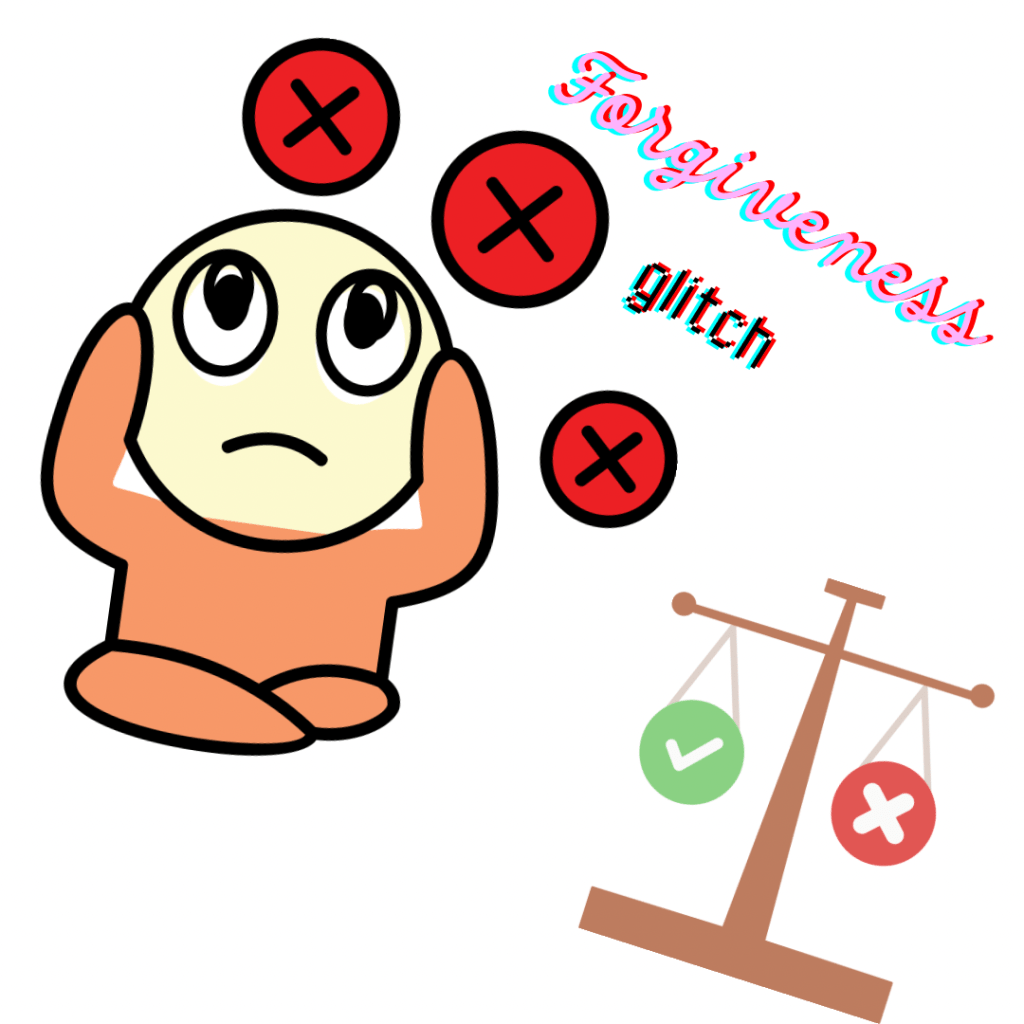
Most, if not all of us, have been dealt some kind of wrong at some point or the other in our lives. How did you deal with it?
We wait endlessly for the wrongdoer to step up and apologize. But, the longer we tend to wait, the more hurtful the deed is. Before we know it, offense has taken residence in our hearts and we eventually find ourselves stuck with the offense and unable to move forward or past it with the offender. I have been there and it’s not fun.
As I ponder on this topic, it was with a big sigh of relief that I am no longer in that space of not being able to let go nor be able to easily forgive myself or others. I admit that there were wrongs that I allowed to fetter for too long for whatever reason(s). How about you – have you been in a situation that you couldn’t let go of an offense or the offender?
Offenses/wrongdoing from close quarters; that is, from family members and besties, are the most hurtful. Because we put an expectation on them. But, should we or shouldn’t we? (A post for another day!)
What is the right approach?
Handling a wrong done to us requires a balance of self-respect and understanding. It’s essential to acknowledge our feelings, but dwelling on resentment can be toxic. Communicating calmly and assertively about how we were hurt can pave the way for resolution. However, if the wrongdoer refuses to apologize or make amends, it may be necessary to prioritize our own healing and move forward, even if it means letting go of expectations for closure from them. Ultimately, choosing forgiveness, not for their sake but for our own peace, can be the most empowering approach.
The Wrongdoer
The wrongdoer often carries their own burdens and struggles, which may have contributed to their actions. Understanding their perspective doesn’t excuse their behavior but can offer insight into their motivations. However, it’s crucial not to enable or justify their wrongdoing. Holding them accountable while still acknowledging their humanity can lead to a more balanced approach to resolution. In some cases, offering them the opportunity to apologize and make amends can lead to healing for both parties, but it’s essential to prioritize our own well-being and boundaries in the process.
What if we communicate to the wrongdoer and s/he willfully refuses to acknowledge the wrong? Worse, if they try to deflect.
When the wrongdoer refuses to acknowledge their actions or attempts to deflect blame onto the victim, it can be incredibly hurtful and frustrating. In such cases, it’s important for the victim to:
1. Maintain his/her self-worth and boundaries. It is necessary to set clear boundaries to protect yourself from further harm, even if it means distancing yourself from the wrongdoer;
2. Continue to assertively communicate your feelings and expectations;
3. Be prepared to accept that the wrongdoer nay not change;
4. Seek support from friends, family, or a therapist who can provide validation and guidance in navigating such challenging situations; and
5. Prioritize your own emotional wellbeing and refuse to internalize the blame.
Forgiveness
Forgiving the person and hurt doesn’t always come easy. How can one handle this?

Handling the difficulty of forgiving someone who has hurt us deeply requires patience and self-compassion. It’s essential to acknowledge and validate our feelings of hurt and anger rather than suppressing them. Practicing empathy towards yourself and the wrongdoer can help cultivate understanding without condoning the hurtful actions. Engaging in self-care activities, such as mindfulness, therapy, or journaling, can aid in processing emotions and fostering forgiveness.
forgiveness is a process;
not a one-time event
Additionally, recognizing that forgiveness is a process rather than a one-time event can alleviate pressure and allow space for healing at one’s own pace. Forgiving doesn’t mean forgetting or excusing the wrongdoing but rather freeing oneself from the emotional burden of resentment and moving forward with grace and peace.
I don’t know about you, but I have wrestled with forgiveness a few times. Most times it feels like the wrongdoer got away with “murder” so to speak and s/he seems to be enjoying their life while sometimes the victim’s life has been ruined or on pause for the wrongdoer’s actions.
Unfortunately, it’s a harsh reality that the consequences of wrongdoing often seem disproportionate between the wrongdoer and the victim. While the wrongdoer may move on with their life seemingly unaffected, the victim may struggle with long-lasting repercussions. This inequity can feel deeply unjust and exacerbate feelings of anger and resentment.
For the victim, it’s important to acknowledge these feelings and seek support in navigating the aftermath of the wrongdoing. Whether through therapy, support groups, or trusted loved ones, having a supportive network can provide validation and assistance in rebuilding one’s life.
Additionally, focusing on personal growth and resilience can empower the victim to reclaim agency over their life, despite the injustices they’ve faced. While it may be challenging, finding meaning and purpose beyond the wrongdoing can be a powerful step towards healing and moving forward. Ultimately, though the path to recovery may be arduous, it’s possible to find strength and renewal in the face of adversity.
Did I hear you say, “that’s unfair?”
Life’s fairness often seems elusive, especially in the face of injustice where the wrongdoer appears to escape unscathed while the victim suffers. It challenges our sense of morality and fairness, leaving us grappling with profound questions about the nature of justice.
In such situations, acknowledging the unfairness can be validating but may not provide solace or resolution. Instead, channeling energies into focusing on personal growth and resilience can empower you to overcome the unfairness you’ve encountered. Also cultivate empathy, compassion, and a sense of purpose to help foster healing and contribute to creating a more just and equitable world, one where fairness isn’t just an ideal but a lived reality.
It’s even harder for a believer who has to deal with the injustice and inequity, while wrestling with forgiveness, loving God, and wondering where He is in the action or why He allowed the wrong.
For believers grappling with injustice and inequity while maintaining faith in God, the journey can be incredibly challenging and complex. Questions about the presence and role of God in the face of suffering often arise, testing the very foundations of one’s faith.
In these moments, it’s important to recognize that doubt and questioning are natural aspects of faith. Turning to scripture, prayer, and spiritual community can provide solace and guidance in navigating these turbulent waters. Seeking to understand the nature of suffering and theodicy, which is the reconciliation of God’s goodness with the existence of evil, can also offer insights into the deeper mysteries of faith.
Moreover, finding ways to live out one’s faith through acts of compassion, justice, and love can provide a sense of purpose and connection to something greater than oneself, even in the midst of adversity. Ultimately, faith isn’t about having all the answers but about journeying through life’s complexities with humility, trust, and a steadfast belief in the goodness and sovereignty of God, even in the face of injustice and inequity.
Conclusion
Navigating the complexities of forgiveness, injustice, and faith in the face of wrongdoing can be incredibly challenging. It requires resilience, self-compassion, and a willingness to confront difficult truths. While the journey may be fraught with pain and uncertainty, it’s also an opportunity for growth, healing, and deeper understanding.
By acknowledging your feelings, seeking support, and striving to live out your values with integrity, you/we can find strength and meaning even in the midst of adversity. It’s through these struggles that we cultivate resilience, deepen our faith, and emerge stronger and more compassionate individuals.
 Think-Talk