
I don’t know about you, but there are aspects of the former President’s case and recent verdict that is disturbing and seems so unfair.
Disclaimer
I am not a legal attorney, but I believe that I am an advocate of sorts.
Neither am I an ardent supporter of the former President, but there are some of his policies that I wholeheartedly support.
At this point, I might want to consider being an Independent and neither a Democrat nor Republican.
What we know
We know that the former President is not the most-liked person and is notorious for his outrageous rhetorics. We also know that the former President is not perfect and neither are we. That during his term, he made some unpopular policies. And that he has made himself some unwarranted “enemies” and is a strong Republican contender for the upcoming presidential election who is able to defeat the opposition.
Definition of Rule of Law

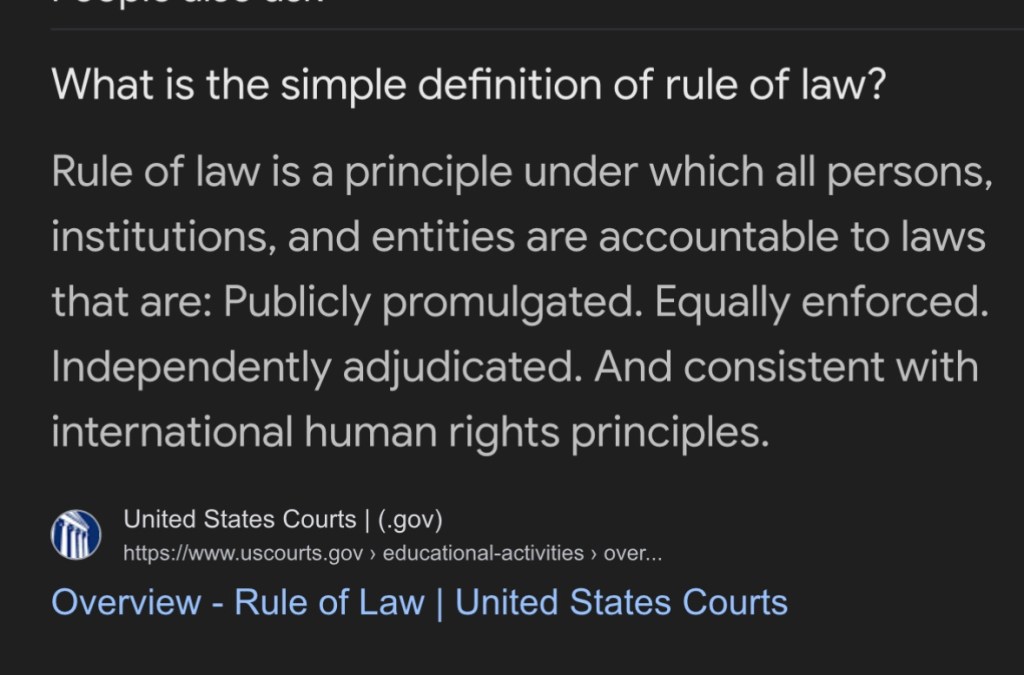
We expect that the law is no respecter of person and that the law shall be fairly applied.
That the former President was prosecuted demonstrates that he is nit above the law. But, the case was decided by a 12-member New York juror. Of course, because the alleged crime was committed in New York, right? Yes, but to ensure a fair hearing, I believe that a change of location could have been granted.
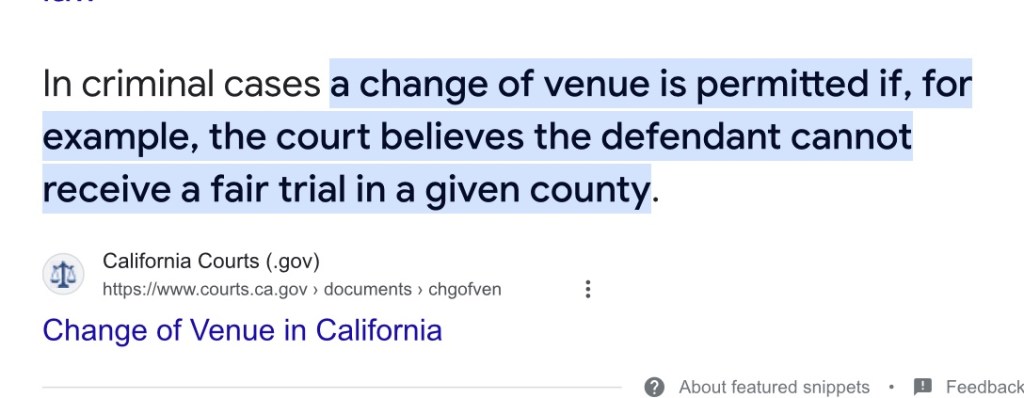
In this case of the former President, a change of venue was denied which jeopardizes a fair hearing.
I will not go into the nitty gritty of the case, but let’s talk generally about when politics, which I strongly believed was integral in this case, is involved in lawsuits.
Politics in Law
When a guilty verdict is predetermined by political influence rather than an impartial examination of facts, it exemplifies a profound injustice and wickedness. This type of manipulation erodes the core principles of justice and fairness, creating an environment where it often appears that the wicked are winning.
Predetermined Outcomes
In such instances, the outcome of the case is decided long before any evidence is presented or arguments are made. The judicial process becomes a mere formality, a performance to lend an illusion of legitimacy to a decision that has already been made. This preordained verdict mocks the very essence of the legal system, which is supposed to be based on impartiality, fairness, and the pursuit of truth.
Perception of the Wicked Winning
When politically motivated verdicts are rendered, it often seems that those who manipulate the system to their advantage are the ones who emerge victorious. This perception is deeply troubling because it suggests that power and influence, rather than justice and truth, are the decisive factors in legal outcomes. The sense that the wicked are winning can lead to widespread disillusionment and cynicism among the populace, who may begin to believe that there is no recourse for fairness or accountability.
Consequences for Society
This belief that the wicked prevail undermines the moral fabric of society. It sends a message that unethical behavior, corruption, and manipulation are rewarded, while integrity and honesty are punished. Such a reality can have a corrosive effect on societal values, encouraging more individuals to engage in dubious practices if they perceive it as the only way to succeed.
Erosion of Legal Principles
The predetermined verdicts driven by political motives also erode the foundational principles of the legal system. The rule of law, meant to ensure that every individual is treated equally before the law, is subverted. Instead, the law becomes a tool for the powerful to suppress dissent and eliminate rivals, turning the judicial system into an instrument of tyranny rather than justice.
Impact on the Innocent
For those wrongfully convicted in such scenarios, the consequences are devastating. Their lives are upended, their reputations tarnished, and their freedoms stripped away. The knowledge that their fates were sealed not by their actions but by political machinations adds a layer of profound injustice to their suffering. This personal tragedy highlights the human cost of such systemic wickedness.
Long-term Implications
The long-term implications of politically influenced verdicts are dire. As public trust in the judiciary wanes, social cohesion is threatened. People may resort to taking the law into their own hands, leading to an increase in vigilantism and civil unrest. The lack of faith in judicial processes can also stifle social and economic development, as stability and predictability are essential for growth and progress.
Impact on Democratic Institutions
When judicial outcomes are manipulated for political purposes, it undermines the integrity of democratic institutions. The judiciary is a pillar of democracy, designed to provide checks and balances against the other branches of government. When this independence is compromised, it destabilizes the entire democratic framework, potentially leading to authoritarianism.
Encouragement of Corruption
Political manipulations embolden corrupt practices within the judicial system and beyond. When it becomes evident that verdicts can be bought or influenced by political power, it encourages further corruption. This can permeate all levels of government and society, creating an environment where bribery, coercion, and favoritism thrive.
Psychological Impact on Society
The perception that justice is unattainable can lead to widespread feelings of helplessness, frustration, and anger among citizens. This psychological toll can manifest in increased stress, mental health issues, and a general sense of disillusionment with society and governance. Over time, this can erode civic engagement and lead to apathy or radicalization.
Role of Media and Civil Society
In such environments, the role of independent media and civil society becomes even more critical. They serve as watchdogs, documenting and exposing injustices. However, politically motivated verdicts often come with crackdowns on these groups, further stifling dissent and reducing the avenues for justice and reform.
Conclusion
where political motives dictate judicial outcomes, the appearance of the wicked winning is both a symptom and a cause of deep-seated corruption and injustice.
The interplay of politics and the rule of law in judicial verdicts is a delicate balance. When political considerations take precedence, the consequences are profound and far-reaching, affecting not just the individuals involved but the entire fabric of society. Ensuring the independence of the judiciary and adherence to the rule of law is crucial for maintaining public trust, social harmony, and democratic integrity.
In cases where political motives dictate judicial outcomes, the appearance of the wicked winning is both a symptom and a cause of deep-seated corruption and injustice. Addressing this issue requires unwavering commitment to the independence of the judiciary, rigorous safeguards against political interference, and a collective societal effort to uphold the values of truth, fairness, and justice. Only then can we hope to restore faith in the legal system and ensure that the wicked do not prevail.
The discussion around politically motivated guilty verdicts becomes more comprehensive, highlighting the multifaceted impact on society, governance, and even international relations.
Where do we go from here? 🤔
 Think-Talk