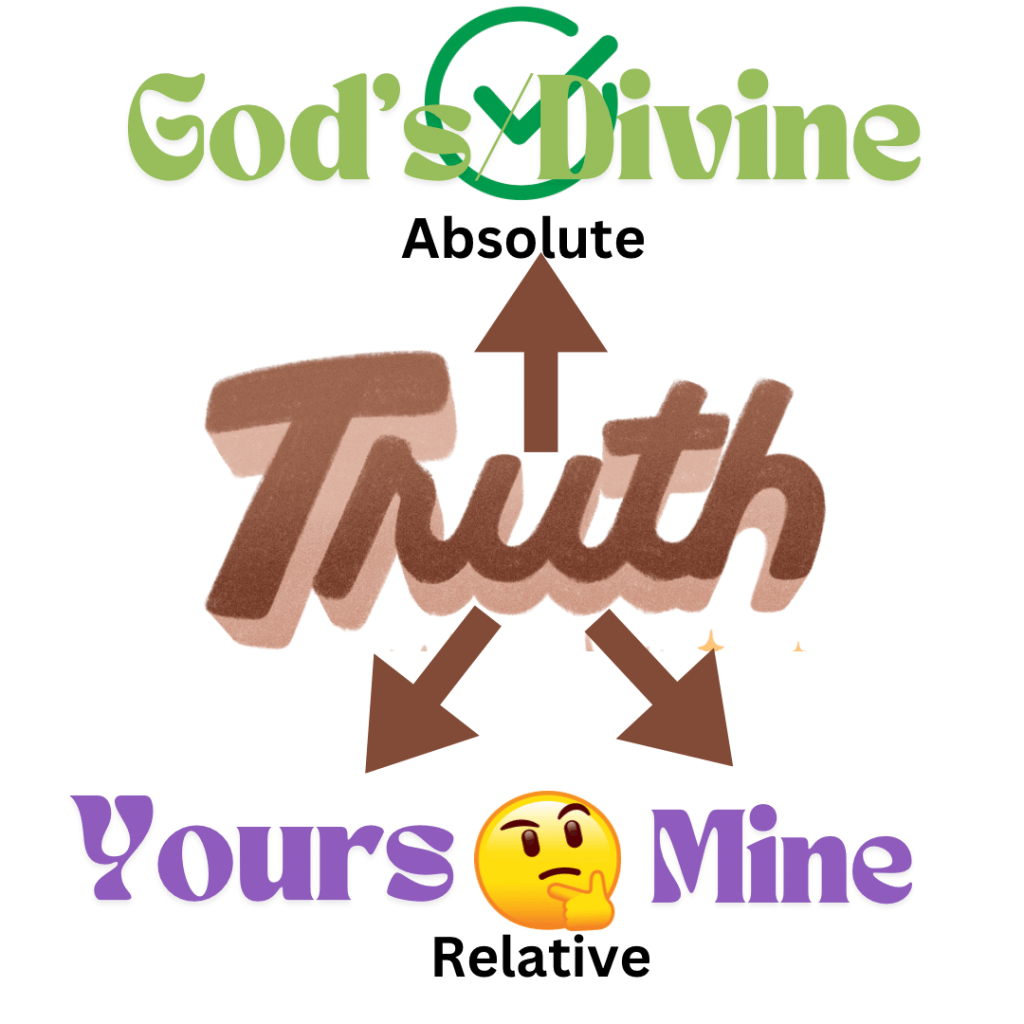
Truth. My truth. Your truth. Both our truths can differ. Who is right and who is wrong? When weighed against God’s truth, neither of our truths can stand. I often wonder why majority of people don’t publicly stand up for, and speak, the truth. Could it be because all our truths are different (subjective) and can indeed not even be The Truth? Let’s talk about this.
What is Truth?
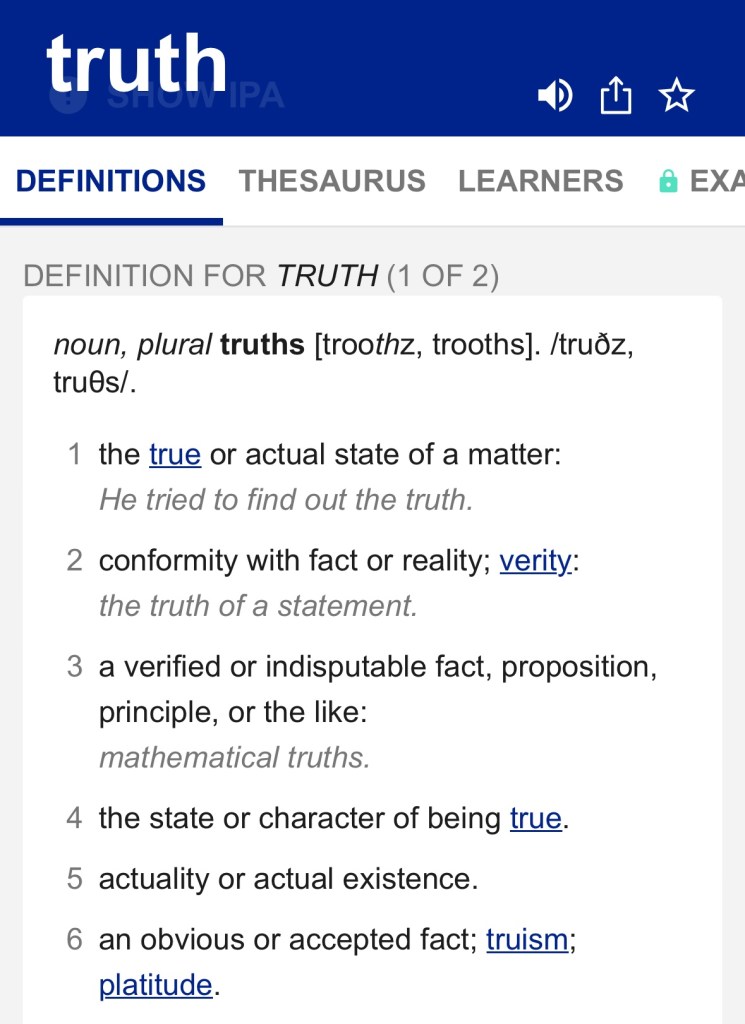
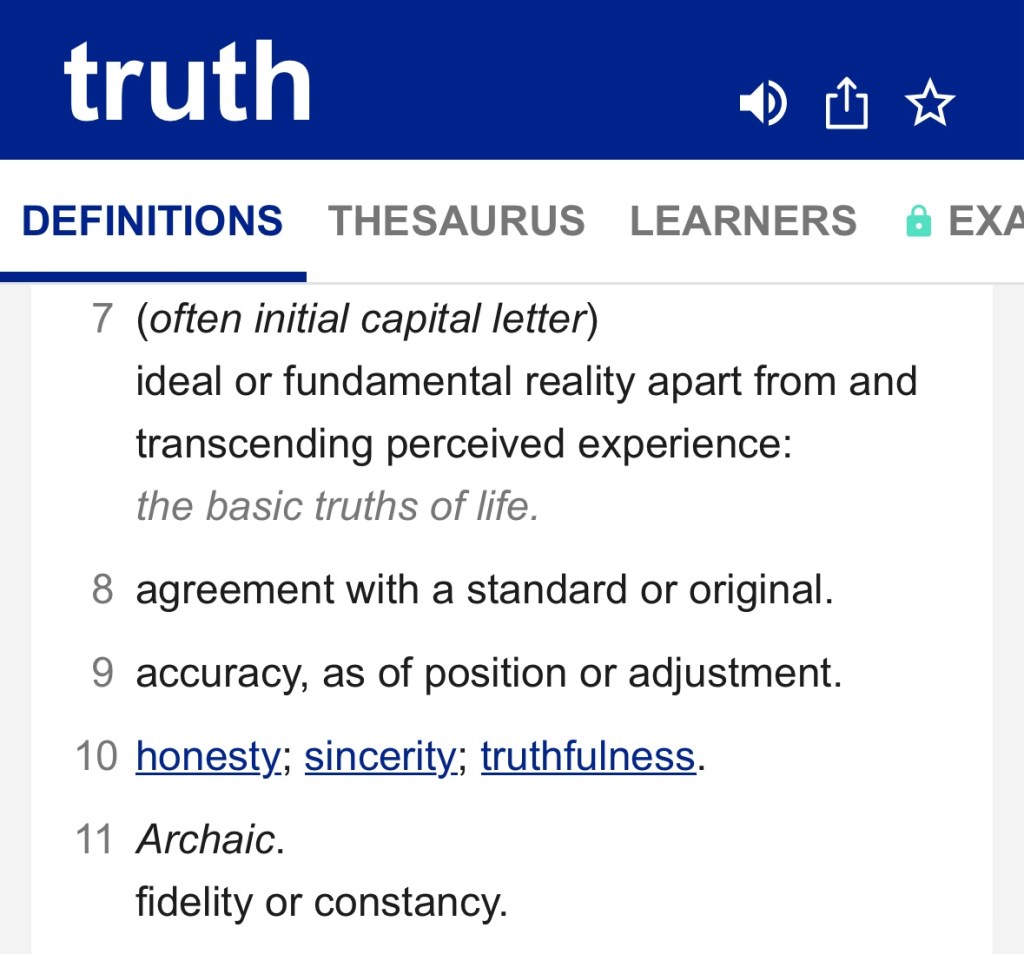
Truth is a concept that has been debated by philosophers, theologians, and scholars for centuries. At its core, truth is the quality or state of being in the accordance with fact or reality. It represents an alignment with facts, a state of actuality, and authenticity. However, understanding and defining truth is more complex than it seems at first glance.
Personal Truth
Personal truth refers to beliefs and perceptions that individuals hold as true based on their experiences, emotions, and understanding of the world. These truths can differ vastly from person to person because they are influenced by unique perspectives, backgrounds, and contexts. For example, one’s truth about love, success, or morality may be shaped by personal experiences, cultural norms, and societal influences.
Relative Truth
Relative truth posits that truth can vary depending on circumstances, perspectives, or frameworks. It suggests that there is no absolute truth applicable to all situations and individuals. Instead, truth is seen as relative to the specific context or point of view. This perspective acknowledges the diversity of human experience and understanding, emphasizing that what may be true for one person or culture may not necessarily be true for another.
God’s Truth
In many religious and spiritual traditions, God’s truth is seen as absolute, unchanging, and universal. It is believed to be the ultimate reality, transcending human perspectives and experiences. God’s truth is often associated with divine principles, moral laws, and teachings found in sacred texts. For believers, this truth is not subject to personal or relative interpretation but stands as an eternal and unwavering standard.
Why People Don’t Stand Up for, and Speak, God’s Truth?
There are several reasons why many people might hesitate to stand up for and speak God’s truth, despite a desire for a clear conscience and a fear of God:
- Fear of Repercussions: Speaking out for what one believes to be God’s truth can lead to social ostracism, professional consequences, or even persecution. The fear of negative repercussions can deter individuals from voicing their beliefs.
- Cultural and Societal Pressure: In a pluralistic society, there is often pressure to conform to prevailing norms and values, which may not align with one’s understanding of God’s truth. This pressure can create internal conflict and reluctance to speak out.
- Doubt and Uncertainty: Faith can sometimes waver, leading to doubt and uncertainty about what constitutes God’s truth. This can make individuals hesitant to assert their beliefs confidently.
- Desire for Acceptance: The innate human desire for acceptance and belonging can make it challenging to take a stand that might alienate others. The fear of being judged or misunderstood can be a powerful deterrent.
- Complexity and Interpretation: Interpreting sacred texts and understanding divine principles can be complex and subject to different interpretations. This complexity can make it difficult for individuals to feel confident in their understanding and expression of God’s truth.
- Internal Conflicts: Individuals may struggle with internal conflicts between their personal truths, societal norms, and their perception of God’s truth. Resolving these conflicts can be a significant barrier to speaking out.
Embracing Truth: The Courage of Esther – “If I perish, I perish.”
In the biblical book of Esther, there’s a profound declaration made by Queen Esther that encapsulates the courage and commitment required to uphold God’s truth: If I perish, I perish.”
This statement serves as a powerful reminder of the unwavering resolve and sacrificial bravery necessary to stand for what is right, regardless of the personal cost.
Context of the Statement
Esther, a Jewish orphan raised by her cousin Mordecai, finds herself thrust into a position of influence as the queen of Persia. When Haman, an official in the Persian court, devises a plan to annihilate the Jewish people, Esther faces a crucial decision. Despite the risks to her own safety, she resolves to intervene on behalf of her people.
The Courage to Speak Truth
Esther’s declaration, “If I perish, I perish,” epitomizes the courage required to speak truth to power and confront injustice. It signifies a willingness to sacrifice personal comfort and security for the greater good. Esther acknowledges the potential consequences of her actions but refuses to be swayed by fear or self-preservation.
Trusting in God’s Providence
Central to Esther’s resolve is her trust in God’s providence. Despite the uncertainty of the outcome, Esther places her faith in God’s sovereignty and divine guidance. Her willingness to act stems from a deep conviction that aligning with God’s truth is paramount, even in the face of adversity.
Lessons for Today
Esther’s example offers timeless lessons for navigating moral dilemmas and standing firm in the face of opposition:
- Courage in Adversity: Esther demonstrates that courage is not the absence of fear but the willingness to act in spite of it. In challenging times, her unwavering resolve serves as an inspiration to persevere in upholding truth and justice.
- Sacrificial Leadership: True leadership often requires personal sacrifice. Esther’s readiness to risk her own life for the sake of her people underscores the selflessness and integrity essential to effective leadership.
- Faith in Divine Providence: Trusting in God’s providence provides strength and reassurance in times of uncertainty. Esther’s reliance on God’s guidance serves as a reminder to anchor our actions in faith and prayer.
- Legacy of Courage: Esther’s legacy endures as a testament to the transformative power of individuals who are willing to stand up for what is right, regardless of the cost. Her story inspires courage and conviction in those who seek to make a positive impact in their communities and beyond.
Conclusion
Truth, in its various forms, is a multifaceted and deeply personal concept. While personal and relative truths reflect the diversity of human experience, God’s Truth is viewed as absolute and universal by believers. The challenge of standing up for and speaking God’s truth, despite the desire for a clear conscience and fear of God, is influenced by a range of social, psychological, and spiritual factors. Understanding these dynamics can help us appreciate the complexities involved in navigating and articulating our beliefs in a diverse and ever-changing world.
Esther’s declaration, “…If I perish, I perish,” encapsulates the courageous resolve and unwavering faith required to uphold God’s truth in the face of adversity. Her example serves as a timeless reminder of the transformative power of sacrificial leadership, unwavering conviction, and trust in divine providence. In a world fraught with moral challenges, Esther’s legacy continues to inspire individuals to embrace truth with courage, integrity, and faith.
Here’s hoping that we all stand up for, and speak, God’s Truth.
 Think-Talk