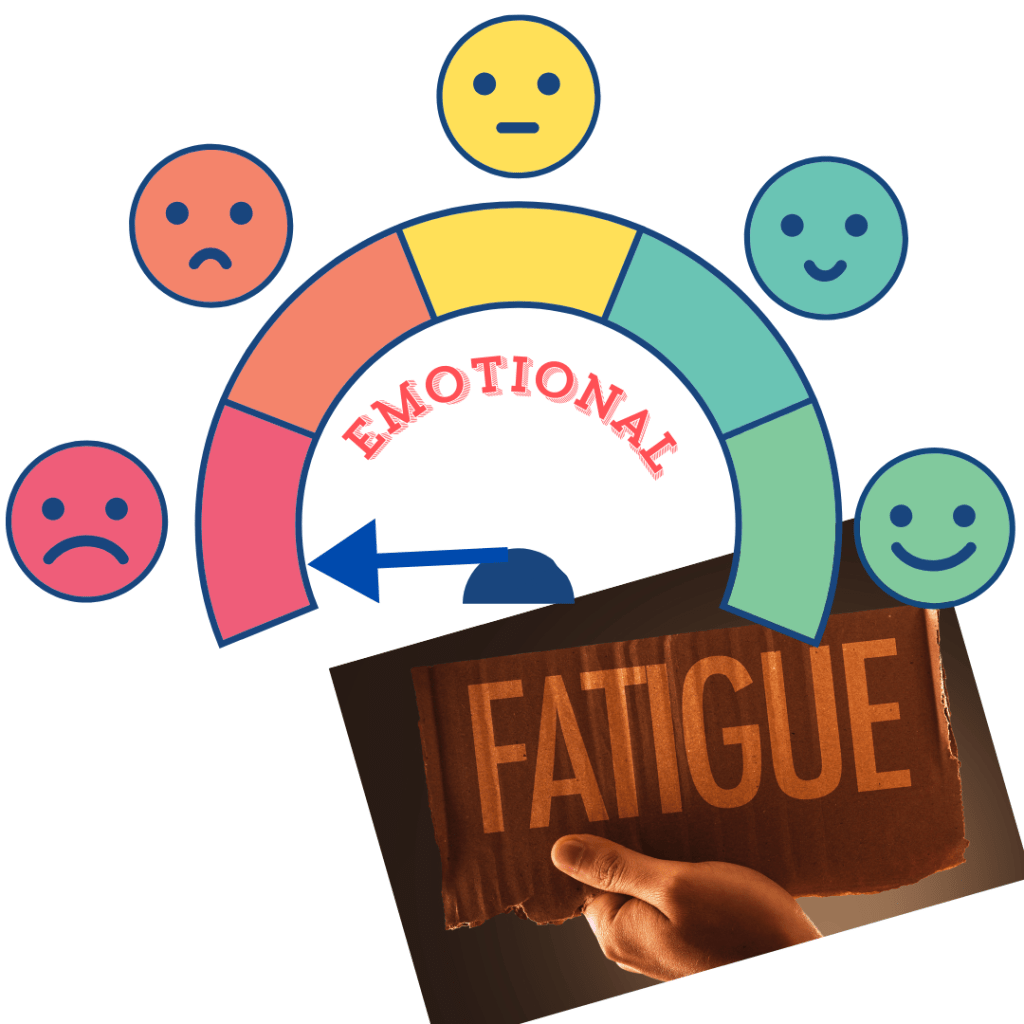
Emotional fatigue, also known as emotional exhaustion, is a state of feeling emotionally worn out and drained as a result of accumulated stress from your personal or work life, or a combination of both. It is a common phenomenon in today’s fast-paced world and can have significant impacts on both mental and physical health. This comprehensive guide will explore the emotional stressors, causes, symptoms, and strategies to manage emotional fatigue.
Emotional Stressors: Relatable Examples
Emotional stress arises when individuals face situations that challenge their emotional well-being, often leading to feelings of overwhelm, anxiety, or fatigue. Here are some common and relatable emotional stressors:
Work-Related Stressors
Tight Deadlines and High Workload:
Sarah is a marketing manager at a fast-paced firm. She often has to meet tight deadlines and juggle multiple projects simultaneously. Recently, her team was assigned a major campaign with an unrealistic deadline. Despite working late nights and weekends, Sarah constantly feels that she’s not doing enough, leading to significant emotional stress.
Lack of Recognition:
James is a software developer who consistently delivers high-quality work. However, his efforts often go unnoticed, and he rarely receives feedback or recognition from his superiors. This lack of acknowledgment makes James feel undervalued and increases his emotional stress, causing him to question his worth and contributions.
Relationship Stressors
Marital Conflicts:
Laura and her husband, Tom, have been arguing frequently about finances. Tom recently lost his job, adding strain to their household budget. The constant tension and disagreements create a stressful home environment, making Laura feel emotionally exhausted and anxious about their future.
Caregiving Responsibilities:
Emily is caring for her elderly mother, who has dementia. Balancing her job, personal life, and caregiving duties leaves Emily with little time for herself. The emotional demands of caregiving, combined with witnessing her mother’s decline, contribute to Emily’s emotional fatigue and stress.
Family and Social Stressors
Parenting Challenges:
John and Mary have a teenage son, Alex, who is struggling in school and exhibiting behavioral problems. They feel overwhelmed by the constant meetings with teachers, the need for discipline, and worries about Alex’s future. The stress of parenting a troubled teenager is taking a toll on their emotional well-being.
Social Isolation:
After moving to a new city for a job, Mark finds it difficult to make new friends and build a social network. He misses his old friends and the support system he had back home. The feelings of loneliness and isolation increase Mark’s emotional stress, making it hard for him to enjoy his new environment.
Health-Related Stressors
Chronic Illness:
Rebecca has been diagnosed with a chronic illness that requires ongoing treatment and lifestyle changes. The constant doctor visits, medication management, and the uncertainty of her condition’s progression create significant emotional stress. Rebecca often feels overwhelmed and anxious about her health.
Caregiver Stressor:
David is caring for his wife, who has been diagnosed with cancer. The emotional burden of supporting her through treatments, managing household responsibilities, and worrying about her prognosis leads to David’s own emotional exhaustion. He struggles to balance his caregiving role with maintaining his own well-being.
Financial Stressors
Debt and Financial Insecurity:
Lisa recently graduated from college with substantial student loan debt. Despite working full-time, she struggles to make ends meet and worries about her financial future. The constant pressure of managing debt payments, living expenses, and saving for emergencies causes significant emotional stress.
Job Loss:
Carlos was laid off from his job due to company downsizing. With bills piling up and no immediate job prospects, Carlos feels a growing sense of panic and helplessness. The financial insecurity and uncertainty about his career contribute to high levels of emotional stress.
Coping with Emotional Stress
Understanding the sources of emotional stress and recognizing their impact is the first step towards managing it. Here are some strategies to cope:
- Identify Stressors: Recognize the situations or people causing stress and evaluate how they impact your emotions.
- Develop Healthy Coping Mechanisms: Engage in activities that help you relax and recharge, such as exercise, hobbies, or spending time with loved ones.
- Seek Professional Help: Don’t hesitate to reach out to a therapist or counselor for support and guidance.
- Build a Support Network: Surround yourself with supportive friends, family, or colleagues who can offer emotional support.
- Practice Mindfulness: Techniques such as meditation, deep breathing, or yoga can help manage stress and improve emotional resilience.
Causes of Emotional Fatigue
- Chronic Stress: Prolonged exposure to stress, whether from work, relationships, or financial pressures, can deplete emotional reserves.
- High Emotional Demands: Jobs that require constant emotional engagement, such as healthcare, teaching, or customer service, can lead to emotional fatigue.
- Personal Relationships: Difficult relationships, be they with family, friends, or partners, can contribute significantly to emotional exhaustion.
- Life Transitions: Major life changes like moving, divorce, or the death of a loved one can also be emotionally draining.
- Lack of Support: Feeling isolated or unsupported can exacerbate feelings of emotional fatigue, as there is no outlet for stress relief or emotional sharing.
Symptoms of Emotional Fatigue
Identifying emotional fatigue is crucial for taking timely action. Some common symptoms include:
- Physical Symptoms: Chronic tiredness, headaches, sleep disturbances, and a weakened immune system.
- Cognitive Symptoms: Difficulty concentrating, forgetfulness, and a general sense of mental fog.
- Emotional Symptoms: Feelings of helplessness, detachment, irritability, and a pervasive sense of dread or anxiety.
- Behavioral Symptoms: Withdrawal from social interactions, decreased performance at work or school, and neglect of responsibilities.
Coping Strategies for Emotional Fatigue
Managing emotional fatigue requires a multifaceted approach, incorporating both immediate relief and long-term lifestyle changes.
Self-Care Practices:
- Rest and Sleep: Prioritize sleep and rest. Aim for 7-9 hours of sleep per night and consider short naps during the day if needed.
- Healthy Eating: Nutrition plays a key role in mental health. Incorporate a balanced diet rich in fruits, vegetables, and whole grains.
- Exercise: Regular physical activity can boost mood and energy levels. Even moderate exercise like walking can be beneficial.
Emotional Regulation:
- Praise and Worship: Praising and worshiping, with thankfulness, puts your focus on God and lifts it off of your circumstances thereby relieving you of the emotional burden.
- Mindfulness and Meditation: Practices such as mindfulness and meditation can help reduce stress and improve emotional resilience.
- Therapy and Counseling: Professional help from a therapist or counselor can provide strategies and support for managing stress and emotional fatigue.
Social Support:
- Connect with Loved Ones: Sharing your feelings and experiences with friends and family can provide emotional relief and support.
- Join Support Groups: Engaging with others who are experiencing similar issues can provide a sense of community and understanding.
Lifestyle Adjustments:
- Set Boundaries: Learn to say no and set limits to avoid overcommitting yourself.
- Time Management: Organize your schedule to include time for relaxation and activities you enjoy.
- Engage in Hobbies: Pursue hobbies and activities that bring joy and relaxation.
Professional Help:
- Medical Consultation: In some cases, medication may be necessary to manage symptoms of anxiety or depression related to emotional fatigue.
- Workplace Adjustments: Discussing workload and stressors with employers or seeking changes in job roles can help reduce work-related stress.
Conclusion
Emotional fatigue is a serious condition that can affect every aspect of life.
By recognizing the signs, acknowledging the sources of emotional stress, prioritizing self-care, seeking support, making necessary lifestyle adjustments, and implementing effective coping strategies, individuals can better manage their emotional health and improve their overall well-being.
 Think-Talk