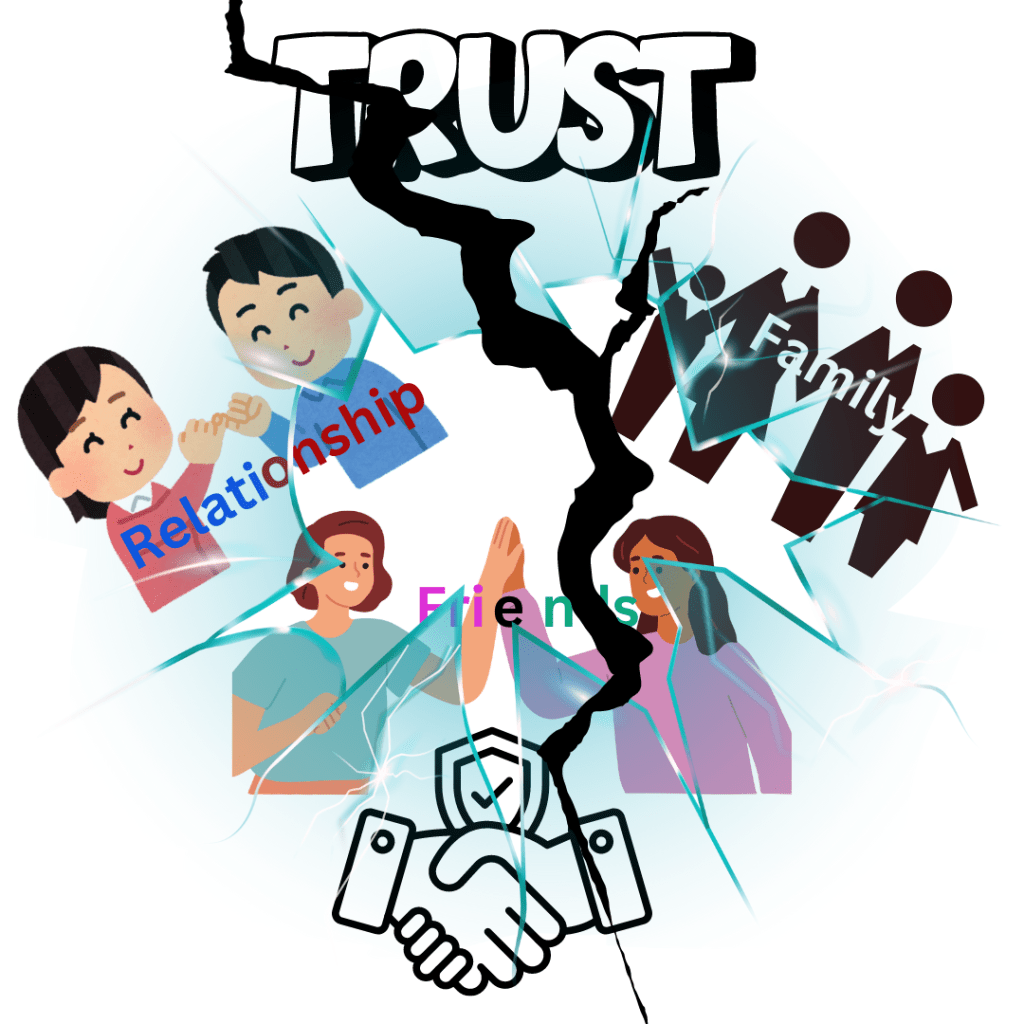
Have you ever trusted someone who betrayed you? Or have you broken/betrayed another? What was the outcome of such relationship/friendship?
I’ve been on both sides of the Trust coin. I have been betrayed and I have also, unintentionally, betrayed a friend. I realized that whether it is intentional or unintentional, the one betrayed only sees and feels the betrayal pains and wounds. No amount of regrets nor compunction can instantly take it away or change it. It is often dark and cloudy at the time of occurrence. But the clouds slowly lift off and time often heals the pain and wounds of a betrayal. But both have to be willing to work it through.
Let’s explore the impact of broken trust and offer practical strategies to navigate and mend these crucial relationships.
What is Trust?

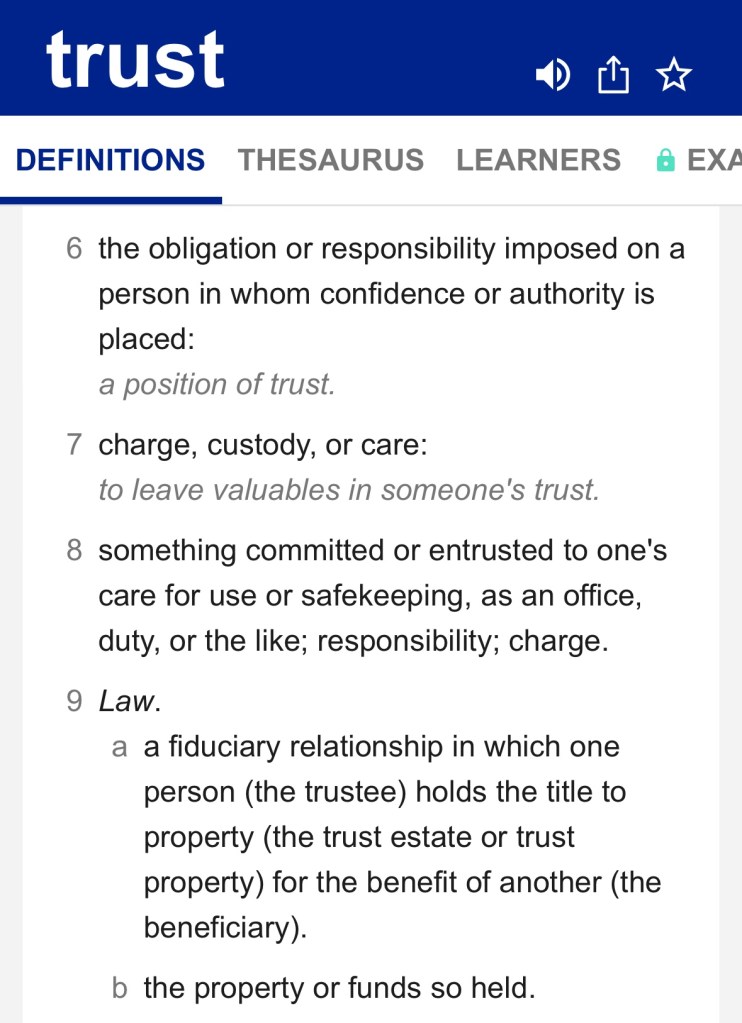
Trust is the cornerstone of all meaningful relationships, be it within the family, marriage, or friendships. It forms the foundation upon which love, respect, and connection are built.
When trust is broken, the fallout can be devastating, leaving individuals feeling betrayed, hurt, and uncertain about the future of their relationships.
However, rebuilding trust, though challenging, is possible with patience, understanding, and a willingness to heal.
Understanding the Impact of Broken Trust
1. Emotional Consequences:
- Betrayal and Hurt: The initial reaction to broken trust is often intense emotional pain. Feelings of betrayal can lead to anger, sadness, and confusion. These emotions can be overwhelming and may affect one’s mental health and overall well-being.
- Loss of Security: Trust provides a sense of safety and security. When it is shattered, individuals may feel vulnerable and uncertain about their place in the relationship.
- Doubt and Suspicion: Broken trust breeds doubt. Victims may constantly question the intentions and actions of the person who betrayed them, leading to a cycle of suspicion and paranoia.
2. Relationship Strain:
- Communication Breakdown: Trust issues can create barriers to effective communication. Open, honest dialogue becomes difficult when there is fear of further betrayal or misunderstanding.
- Distance and Isolation: In response to broken trust, individuals may withdraw emotionally or physically, creating distance within the relationship.
- Erosion of Intimacy: Trust is crucial for intimacy. Without it, relationships can become superficial, lacking the deep connection that once existed.
Navigating Broken Trust in Different Contexts
1. Family:
In family settings, broken trust can stem from various issues such as dishonesty, betrayal of confidences, or unmet expectations. Navigating this terrain requires sensitivity and commitment from all parties involved.
- Open Communication: Encouraging honest and open conversations is essential. Family members should feel safe expressing their feelings and concerns without fear of judgment or retaliation.
- Empathy and Understanding: Understanding the root cause of the breach of trust is crucial. Family members should practice empathy, striving to see the situation from each other’s perspectives.
- Seeking Mediation: In some cases, professional mediation can be beneficial. A neutral third party can facilitate discussions, helping family members to address issues constructively.
2. Relationships/Marriage:
In romantic relationships, trust issues often arise from infidelity, financial deceit, or broken promises. Rebuilding trust in such cases requires both partners to actively participate in the healing process.
- Acknowledgment and Accountability: The person who broke the trust must acknowledge their actions and take responsibility. This includes offering a sincere apology and demonstrating genuine remorse.
- Transparency: Rebuilding trust necessitates complete transparency. This may involve sharing details about daily activities, financial transactions, or other areas of concern.
- Rebuilding Actions: Consistent actions that demonstrate reliability and commitment are essential. This includes keeping promises, being punctual, and showing respect in everyday interactions.
- Professional Help: Couples therapy can provide a structured environment to work through trust issues. A therapist can offer tools and strategies to rebuild the relationship.
3. Friendships:
Trust in friendships can be broken due to gossip, betrayal of confidences, or lack of support. Navigating these situations requires clear communication and mutual effort to restore the bond.
- Honest Dialogue: Friends should have a candid conversation about what happened and how it affected them. This helps to clear the air and set the stage for healing.
- Setting Boundaries: Establishing boundaries is crucial to prevent future breaches of trust. Friends should agree on what is acceptable behavior and respect each other’s limits.
- Consistent Effort: Rebuilding trust takes time. Both parties should consistently show through their actions that they are committed to restoring the friendship.
Practical Strategies for Rebuilding Trust
1. Patience and Time:
- Rebuilding trust is a gradual process that cannot be rushed. Both parties must be patient and allow time for healing. It’s important to recognize that setbacks may occur, but persistence is key.
2. Forgiveness:
- Forgiveness is a crucial step in rebuilding trust. It involves letting go of grudges and resentment. This doesn’t mean forgetting the breach but rather choosing to move forward without letting past hurt dictate future actions.
3. Consistency:
- Trust is rebuilt through consistent, trustworthy behavior. The person who broke the trust must demonstrate reliability in their actions over an extended period.
4. Clear Communication:
- Open and honest communication is vital. Both parties should feel comfortable expressing their needs, concerns, and expectations. This fosters mutual understanding and reduces the chances of future misunderstandings.
4. Setting Realistic Expectations:
- It’s important to set realistic expectations for the process of rebuilding trust. Understand that it won’t happen overnight and that both parties will need to work together diligently.
5. Building Positive Experiences:
- Engaging in positive experiences together can help rebuild trust. Shared activities and creating new, positive memories can reinforce the bond and provide a foundation for trust to grow.
6. Professional Support:
- Sometimes, professional support is necessary. Therapists and counselors can provide guidance and tools to help navigate the complex emotions and challenges involved in rebuilding trust.
Real-Life Scenarios and Lessons Learned
1. Family Trust:
Consider the case of siblings, Sarah and Tom. Sarah discovered that Tom had been hiding financial troubles from the family, leading to a significant breach of trust. Through open communication and family therapy, they worked through their issues. Tom’s transparency about his financial situation and consistent effort to rebuild his credibility eventually restored their relationship. This scenario underscores the importance of honesty and seeking professional help when needed.
2. Marital Trust:
Emma and Jack faced a trust crisis when Jack confessed to an affair. Emma was devastated, and their marriage was on the brink of collapse. They sought the help of a marriage counselor, who guided them through the healing process. Jack’s consistent transparency, commitment to the relationship, and Emma’s willingness to forgive and rebuild their bond were crucial. This example highlights the need for accountability, professional guidance, and mutual effort in rebuilding marital trust.
3. Friendship Trust:
Anna and Lisa, best friends since childhood, had a falling out when Lisa shared Anna’s personal secret with others. Anna felt deeply betrayed. After a period of distance, Lisa reached out to apologize sincerely. They had an honest conversation about the breach and established new boundaries to prevent future issues. Over time, Lisa’s consistent effort to respect Anna’s privacy helped rebuild their friendship. This case illustrates the power of honest dialogue, forgiveness, and setting boundaries in mending broken trust in friendships.
Conclusion
Trust is the bedrock of all meaningful relationships. When broken, it can lead to profound emotional pain and strain the relationship. However, with patience, understanding, and a commitment to healing, it is possible to rebuild trust. Whether in family settings, marriages, or friendships, the principles of open communication, empathy, accountability, and consistent effort are essential. By embracing these strategies, individuals can navigate the challenging terrain of broken trust and work towards restoring the bonds that matter most. Rebuilding trust is a journey that requires time and dedication, but the rewards of a renewed, stronger relationship are well worth the effort.
Forgiveness is key and allowing each other the grace of repentance is an essential part of the reconciliation. I have seen relationships/friendships reconciled become stronger after allowing forgiveness and repentance. I have also witnessed the breakdown of same despite repentance. The difference lies in the hearts of all involved.
 Think-Talk
Thanks for reading and asking these important questions, CLCouch123.
Setting boundaries is necessary, in my opinion, for healthy and respectful living. However, some might misconstrue it as an impediment. If one is uncomfortable or feels “taken advantage of,” in a friendship, relationship, or family, boundaries ought to be set.
Read my post today for ways to go about setting boundaries. I hope that it helps answer your question.
Thanks for reading and commenting – greatly appreciated. 🙏🏻
LikeLike
Pingback: Setting Boundaries: A Key to Healthy Relationships - Think-Talk
I greatly appreciate your discussion of trust. That broken trust can be mended is a positive (of course) and reasonable point to raise and review. I suppose in all you mention I find boundaries to be the tricky issue. How do we let each other know what our boundaries are? Can this be done positively with each other or in a group? Actually, in a group it might go easier. Too often in my own life I have let things go badly and then simply (well, not simply) let go of the relationshipl be9jg exhausted as well as disappointed and frutrated. About a friendship, that is, not a relationship that should be lasting through it all.
LikeLike