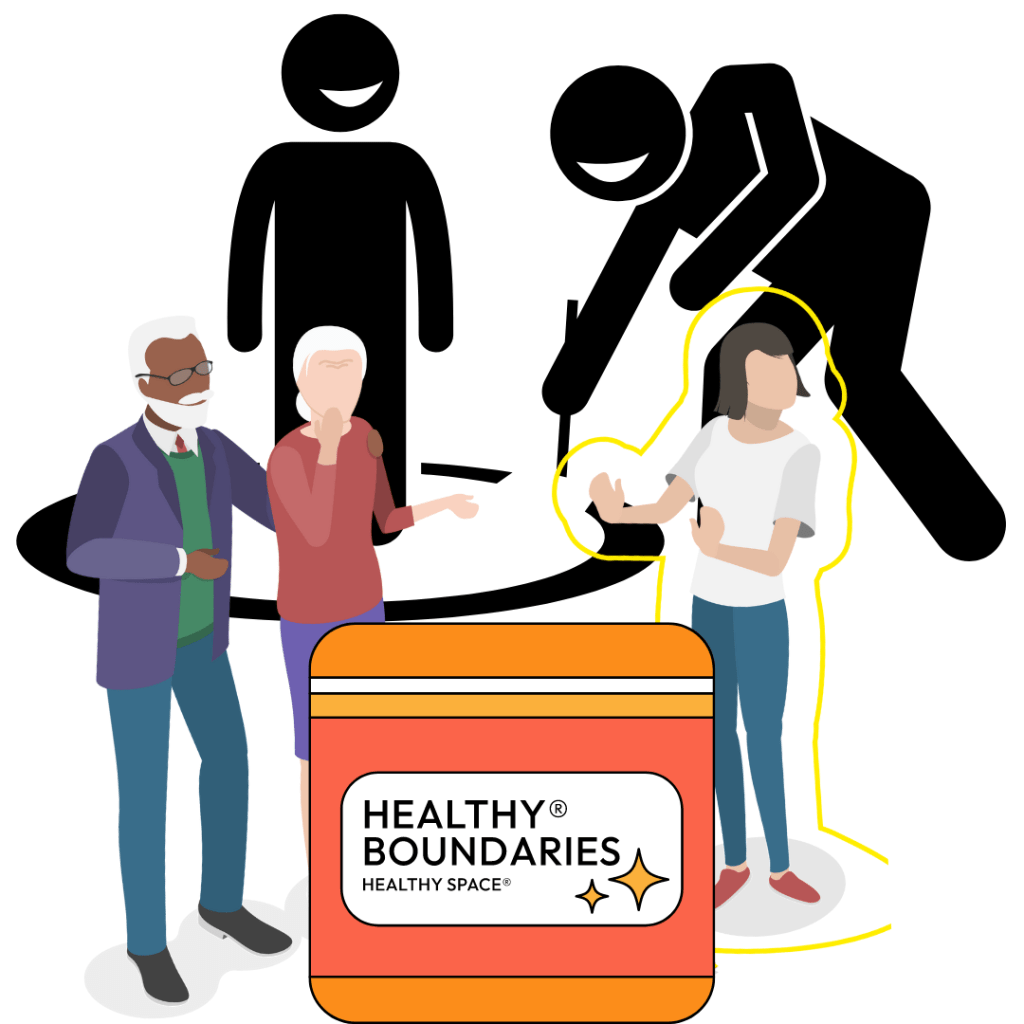
In my post on Trust, I alluded to setting boundaries once trust has been broken. How do we set those boundaries?
This post answers the question, “how do you set those boundaries?”
What are Boundaries?
Boundaries are “limits that separate acceptable behaviors from unacceptable behaviors.” (dictionary.com)
Boundaries are essential for preserving our well-being, ensuring mutual respect, and fostering a sense of individuality.
In our interconnected lives, maintaining healthy relationships often hinges on the ability to set clear boundaries. Whether with friends, family members, or significant others, understanding and asserting boundaries can significantly improve the quality of our interactions and relationships.
Understanding Boundaries
Boundaries are guidelines that define acceptable and unacceptable behaviors and interactions in relationships. They help establish a sense of control over our lives and protect our emotional and physical well-being. Boundaries can be physical, emotional, or digital, and they vary from person to person.
Why Boundaries Matter
- Self-Respect and Identity: Boundaries affirm your self-worth and help maintain your identity. They ensure that your needs and values are respected.
- Preventing Burnout: Setting limits prevents you from overcommitting and experiencing emotional exhaustion.
- Healthy Relationships: Boundaries foster mutual respect and understanding, crucial for any healthy relationship.
- Conflict Reduction: Clear boundaries reduce misunderstandings and conflicts by establishing clear expectations.
Setting Boundaries with Friends
Friendships thrive on mutual respect and understanding. Here’s how to set boundaries with friends:
- Communicate Openly: Express your needs and limits clearly. Use “I” statements to avoid sounding accusatory. For example, “I feel overwhelmed when…”
- Be Consistent: Consistency in enforcing your boundaries helps your friends understand and respect them.
- Mutual Respect: Encourage your friends to share their boundaries as well, fostering a balanced relationship.
- Know When to Step Back: Sometimes, stepping back from a friendship is necessary if boundaries are repeatedly disrespected.
Setting Boundaries with Family
Family dynamics can be complex, making boundary-setting challenging yet crucial. Here’s how to navigate this:
- Be Clear and Firm: State your boundaries explicitly. For example, “I need some alone time after work.”
- Use Assertive Communication: Be assertive yet respectful. Avoid passive-aggressive remarks or aggressive outbursts.
- Establish Consequences: Explain the consequences of overstepping boundaries calmly and clearly.
- Seek Support: If necessary, seek support from a therapist to navigate particularly challenging family dynamics.
Setting Boundaries in Romantic Relationships
Healthy romantic relationships require boundaries to maintain individuality and mutual respect. Here’s how to establish them:
- Discuss Early: Talk about your boundaries early in the relationship to set clear expectations.
- Respect Autonomy: Recognize and respect each other’s need for personal space and time.
- Address Issues Promptly: Don’t let boundary issues fester. Address them as they arise to avoid resentment.
- Regular Check-Ins: Regularly discuss your boundaries to ensure they are still working for both partners.
Overcoming Challenges in Boundary Setting
- Guilt and Fear: It’s common to feel guilty or fearful about setting boundaries. Remember that healthy boundaries benefit both parties.
- Pushback: Expect some resistance, especially if boundaries are new. Stay firm and reiterate their importance.
- Self-Reflection: Regularly reflect on your boundaries to ensure they still align with your needs and values.
When to Set Boundaries: Proactive vs. Reactive Approaches
Setting boundaries is a crucial aspect of maintaining healthy relationships, but the timing of these boundaries can significantly impact their effectiveness. Should boundaries be set at the onset of a relationship or only when an issue arises? Here’s a closer look at both approaches:
Setting Boundaries at the Onset
Proactive Boundary Setting:
- Clarity from the Start: Establishing boundaries early on sets clear expectations and prevents potential misunderstandings. Both parties know what is acceptable and what is not.
- Building a Strong Foundation: Early boundary setting helps build a strong foundation of mutual respect and trust, essential for any healthy relationship.
- Reducing Future Conflicts: By discussing boundaries upfront, you can address potential issues before they escalate, reducing the likelihood of future conflicts.
- Establishing Respect: It signals to the other person that you value your well-being and respect theirs, fostering a culture of respect from the beginning.
Examples:
- In friendships, you might set boundaries around how often you’re available to hang out or how you prefer to communicate.
- In romantic relationships, you could discuss personal space needs, communication styles, and deal-breakers early on.
- With family, you can set expectations about visiting times, personal space, and how you prefer to handle disagreements.
Setting Boundaries When Issues Arise
Reactive Boundary Setting:
- Addressing Specific Problems: Sometimes, boundaries become necessary when specific issues arise. This approach allows you to address behaviors that you didn’t anticipate initially.
- Learning and Adapting: Relationships are dynamic, and new situations may require new boundaries. Setting boundaries as issues arise allows for adaptability and responsiveness.
- Immediate Resolution: Addressing boundary issues as they come up can provide immediate relief and clarity, preventing ongoing discomfort or resentment.
Examples:
- If a friend repeatedly calls late at night, you might need to set a boundary about when it’s appropriate to call.
- In a romantic relationship, if your partner starts to make decisions without consulting you, it might be time to establish boundaries around decision-making.
- With family, if a relative begins to interfere in your personal matters, setting boundaries can help maintain your independence and privacy.
Combining Both Approaches
In reality, a combination of proactive and reactive boundary setting is often the most effective strategy:
- Initial Boundary Setting: Start with basic boundaries at the onset of the relationship to set clear expectations.
- Ongoing Adjustments: Be prepared to adjust and set new boundaries as the relationship evolves and new situations arise.
- Open Communication: Maintain open lines of communication to discuss and renegotiate boundaries as needed. This ensures that both parties feel heard and respected.
Setting boundaries at the onset of a relationship establishes a strong foundation of mutual respect and understanding, while addressing issues as they arise allows for flexibility and responsiveness to specific situations. By combining both proactive and reactive approaches, you can create a dynamic and healthy environment that supports the well-being of all involved parties. Remember, boundary setting is an ongoing process that evolves with the relationship, requiring continuous communication and mutual respect.
Conclusion
Setting boundaries is not about building walls but about creating a safe space for healthy and respectful interactions. By understanding and asserting our boundaries, we can foster deeper connections with friends, family, and partners, ultimately leading to more fulfilling relationships. Remember, it’s a continuous process that requires patience, clarity, and consistent effort.
This post provides a guide on setting boundaries, emphasizing their importance and offering practical tips for different types of relationships. Whether you’re dealing with friends, family, or romantic partners, clear boundaries are essential for maintaining healthy and respectful interactions. I hope that you find it helpful.
 Think-Talk