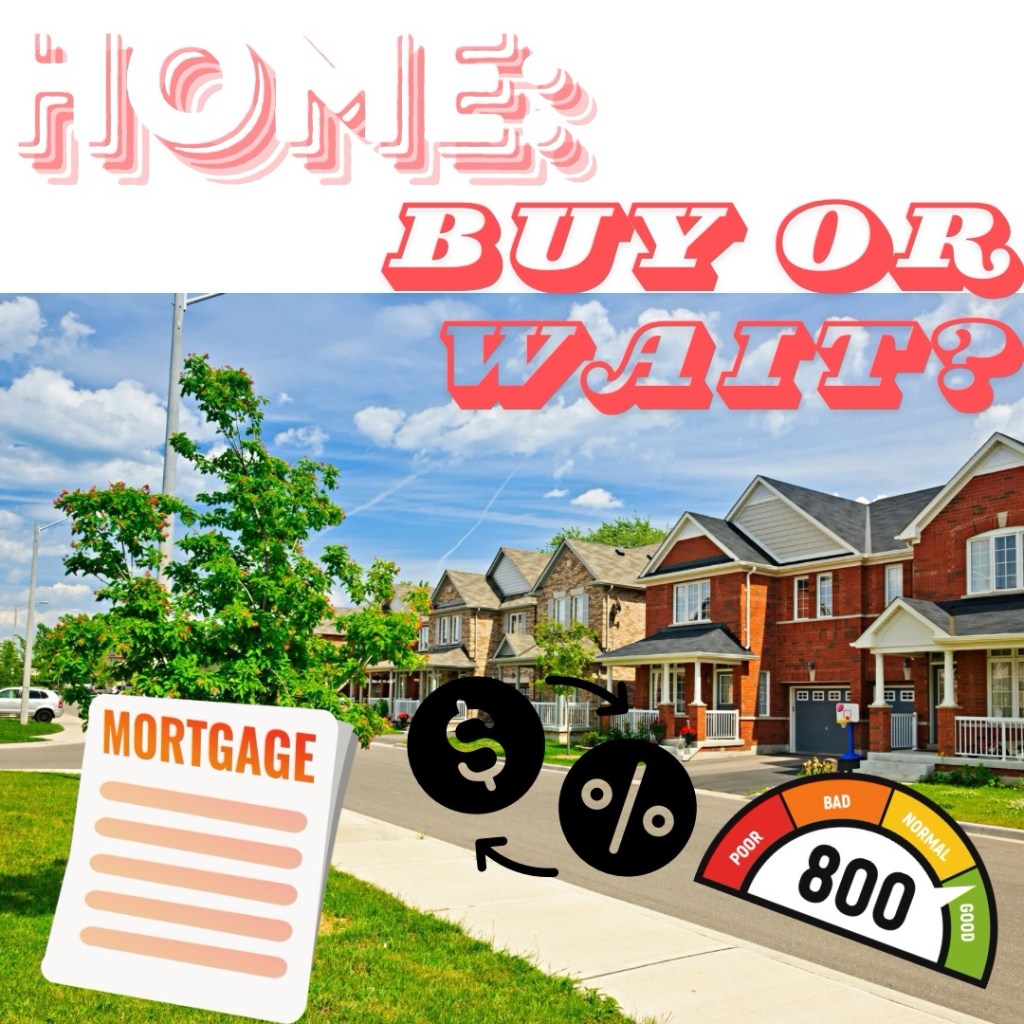
Many are wondering if it is a good time to buy and own a home.
Though the rates are higher today than they were four years ago, the truth is that there is no guarantee whether the rates will go lower or continue higher. So what do home shoppers do – buy now or wait?
According to Bankrate, mortgage interest rates have stabilized with a 30-year fixed rate ranging between 6.5 and 7.3 percent. Inflation is at 3.3%; a tad above the Fed’s target rate.
“Many indicators suggest that the U.S. economy is thriving, yet Americans continue to have a negative overall economic outlook.” (Brookings)
Buying a home during an inflationary period with high interest rates can be challenging, but it depends on several factors. Here are some considerations:
- Interest Rates: High interest rates mean higher monthly mortgage payments. This can make home ownership more expensive compared to periods with lower rates.
- Home Prices: During inflation, home prices may rise. If you expect prices to continue increasing, buying sooner rather than later might be beneficial to avoid paying even more in the future.
- Financial Stability: Your personal financial situation is crucial. Stable income, a good credit score, and sufficient savings for a down payment and emergency fund are essential.
- Market Conditions: Consider the local housing market. Some areas may still have affordable options, while others might be overpriced.
- Long-Term Plans: If you plan to stay in the home long-term, the initial high costs might be mitigated over time as property values appreciate and you build equity.
- Rent vs. Buy: Compare the costs of renting versus buying. In some cases, renting might be more cost-effective during high interest periods.
It’s important to consult with a financial advisor to assess your specific situation and explore all options.
Do home prices fall or rise during inflation?
Home prices during an inflationary period with high interest rates can be influenced by several factors:
- Interest Rates: High interest rates generally increase the cost of borrowing. This can reduce demand for homes as potential buyers find it more expensive to finance a purchase, which can lead to a slowdown in price growth or even price declines.
- Inflation: Inflation can lead to higher costs for building materials and labor, which can keep home prices elevated. However, if inflation outpaces wage growth, fewer people may be able to afford homes, reducing demand and potentially lowering prices.
- Market Dynamics: The impact on prices can vary by region and market conditions. In some areas, strong demand might keep prices stable or growing, while in others, prices might fall due to decreased affordability and reduced buyer interest.
- Economic Conditions: Broader economic factors, such as employment rates and consumer confidence, also play a role. During times of economic uncertainty, potential buyers may be more cautious, leading to reduced demand and potentially lower prices.
- Supply and Demand: If there is an oversupply of homes or a significant drop in demand, prices are likely to decrease. Conversely, if supply remains tight, prices might hold steady or increase despite higher interest rates.
Other factors can influence home prices during an inflationary period with high interest rates:
- Government Policies: Policies such as tax incentives for homebuyers, changes in property taxes, and regulations on mortgage lending can impact the housing market. For example, stricter lending criteria might reduce the number of qualified buyers, potentially lowering demand.
- Supply Chain Issues: Disruptions in the supply chain can affect the availability and cost of building materials, impacting new home construction and potentially leading to higher home prices due to limited supply.
- Rental Market: If renting becomes significantly more expensive due to inflation, some people might still choose to buy homes despite high interest rates, which could keep demand for homes higher than expected.
- Investor Activity: Real estate investors looking for inflation hedges might continue to buy properties, which can support or even drive up prices.
- Foreign Investment: In some markets, foreign buyers play a significant role. High interest rates and inflation in one country might not deter foreign investors from purchasing properties if they perceive them as safe investments.
- Wage Growth: If wage growth keeps pace with or exceeds inflation, potential buyers might still afford to purchase homes despite higher interest rates, maintaining demand.
- Consumer Sentiment: Public perception and confidence in the housing market can influence buying decisions. If people believe that prices will continue to rise, they might be more willing to buy even in less favorable conditions.
- Technology and Remote Work: Changes in work patterns, such as the rise of remote work, can shift demand geographically. Areas that become more desirable due to remote work opportunities might see increased demand and higher prices.
- Alternative Financing Options: Availability of alternative financing options, such as adjustable-rate mortgages or government-backed loans, might make buying more accessible for some, mitigating the impact of high interest rates.
Considering these factors can provide a more comprehensive understanding of the housing market dynamics during periods of inflation and high interest rates.
While high interest rates can put downward pressure on home prices, the actual outcome depends on a complex interplay of these factors.
It is indeed a lot to consider, but taking the time to understand these factors, and meeting with a realtor/mortgage broker beforehand, can help you make a more informed decision.
 Think-Talk