Introduction
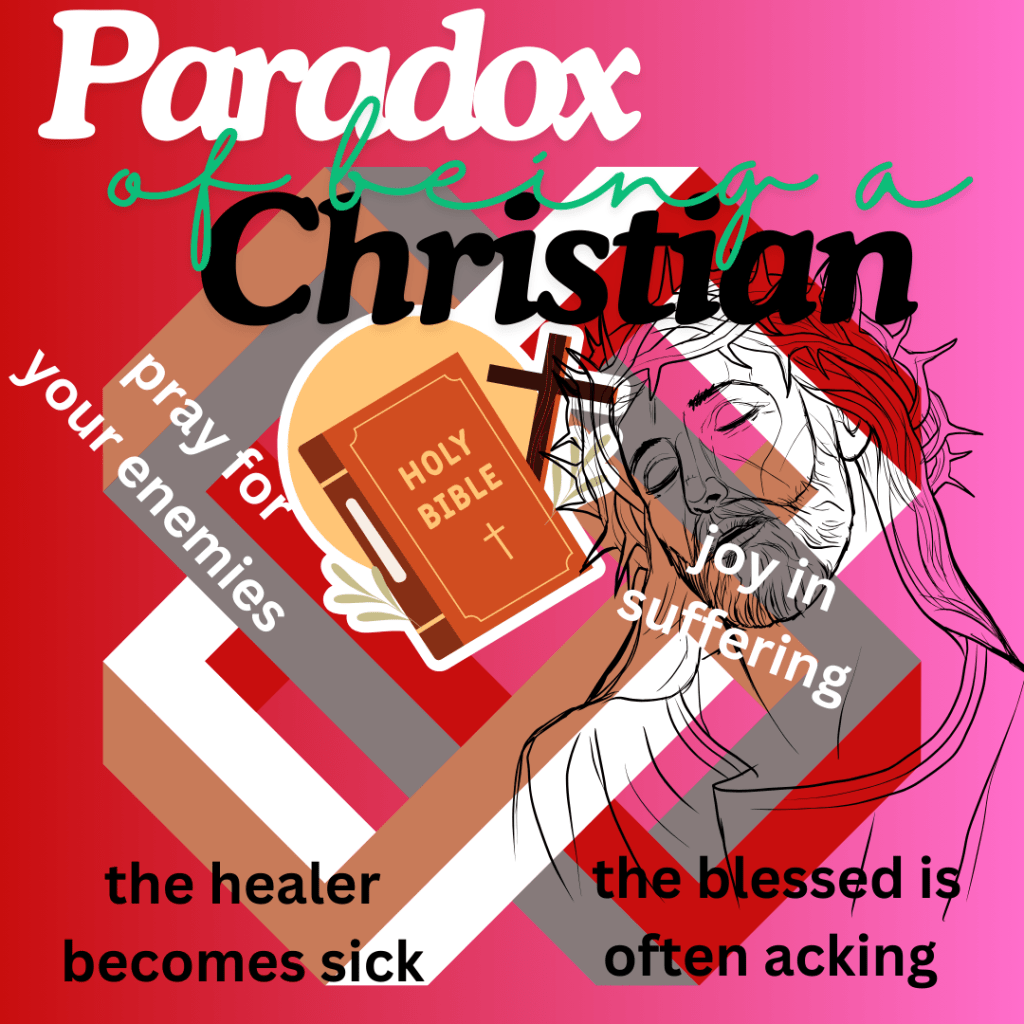
Christianity, one of the world’s major religions, calls its followers to a life that often appears paradoxical. These paradoxes challenge believers to see beyond the surface and embrace deeper truths. Christians are asked to embrace seemingly contradictory principles: strength in weakness, freedom in submission, and joy in suffering. These paradoxes are woven into the fabric of Christian teachings, offering a profound journey of faith that challenges conventional wisdom.
Strength in Weakness
"For when I am weak, then I am strong"
(2 Corinthians 12:10)
The paradox of the above Apostle Paul’s famous scripture teaches Christians that true strength comes from recognizing their own limitations and relying on God’s power. In a culture that prizes self-reliance and individualism, the notion that weakness can be a source of strength is counterintuitive. Yet, many Christians find that acknowledging their vulnerabilities and dependence on God provides a deeper, more enduring strength than they could muster on their own.
Freedom in Submission
"Whoever wants to be my disciple must deny themselves and take up their cross and follow me" (Matthew 16:24)
Christianity teaches that true freedom is found in submission to God’s will. Jesus’s paradoxical call to deny oneself is seen not as a loss of freedom but as the path to true liberation. By submitting to God’s will, Christians believe they are freed from the tyranny of their own desires and the enslavement to sin, finding a higher purpose and a sense of peace that transcends worldly concerns.
Joy in Suffering
"consider it pure joy… whenever you face trials of many kinds"
(James 1:2)
Another profound paradox in Christianity is the concept of finding joy in suffering. The above scripture is not a call to seek out suffering, but rather to find meaning and even joy amidst it. Christians believe that suffering can produce perseverance, character, and hope, and that it can bring them closer to God. This paradoxical perspective offers a way to navigate the inevitable pain and trials of life with a sense of purpose and hope.
Love Your Enemies
"Love your enemies and pray for those who persecute you" (Matthew 5:44)
Perhaps one of the most challenging paradoxes in Christianity is the command to love one’s enemies. In a world that often promotes retribution and self-defense, Jesus’s command is radically countercultural. Christians are called to respond to hatred and hostility with love and prayer, embodying a spirit of forgiveness and reconciliation. This paradox challenges believers to transcend natural inclinations and reflect the unconditional love that is central to their faith.
Life Through Death
“… If any man will come after me, let him deny himself, and take up his cross daily, and follow me.”
Luke 9:23 KJV
Central to Christian belief is the paradox of life through death. Jesus’ death on the cross and subsequent resurrection are seen as the ultimate victory over sin and death. Christians believe that through Jesus’ sacrifice, they are offered eternal life. This paradox is commemorated in the act of baptism, symbolizing dying to oneself and being raised to new life in Christ. The idea that death can lead to life is a profound mystery that lies at the heart of Christian faith, offering hope and assurance of a life beyond the grave.
Another poignant example is the paradox of Jesus Christ himself, who came to heal and liberate yet experienced immense suffering and captivity. Similarly, Christians often undergo intense spiritual warfare and personal struggles before experiencing freedom and blessings. Let’s further explore this paradox and the reasons behind it, as well as the consolations that sustain Christians in their faith journey.
“But he was wounded for our transgressions, he was bruised for our iniquities: the chastisement of our peace was upon him; and with his stripes we are healed. He was oppressed, and he was afflicted, yet he opened not his mouth: he is brought as a lamb to the slaughter, and as a sheep before her shearers is dumb, so he openeth not his mouth.”
Isaiah 53:5, 7 KJV
Jesus: The Healer and Liberator in Suffering
Jesus Christ is known as the ultimate healer and liberator. He performed miracles, healed the sick, and preached freedom to the captives. Yet, his own life was marked by suffering, betrayal, and an agonizing death on the cross such that even He himself said to the crowd:
“And he said unto them, Ye will surely say unto me this proverb, Physician, heal thyself: …”
Luke 4:23 KJV
This paradox highlights the depth of Christ’s identification with human suffering and his willingness to endure it for the sake of humanity’s redemption.
Christ’s suffering serves as a profound example for believers. It shows that suffering is not meaningless but can have redemptive value.
Through His wounds, believers find healing; through His death, they find life.
This paradox underscores the Christian belief that God’s power is made perfect in weakness and that ultimate victory often comes through apparent defeat.
The Believer’s Journey: Warfare Before Freedom
“confirming the souls of the disciples, and exhorting them to continue in the faith, and that we must through much tribulation enter into the kingdom of God.”
Acts 14:22 KJV
Just as Jesus experienced suffering before his resurrection and glorification, Christians often find themselves in spiritual battles before experiencing the fullness of their freedom and blessings. This paradoxical journey is a common theme in Christian spirituality. Believers are called to take up their crosses daily, enduring trials and tribulations as they grow in faith.
Why Intense Struggles?
- Spiritual Growth: Struggles refine and strengthen believers’ faith. James 1:3-4 states that the testing of faith produces perseverance, maturity, and completeness.
- Dependence on God: Intense struggles drive believers to rely more on God. Paul writes in 2 Corinthians 1:9 that hardships make believers rely not on themselves but on God, who raises the dead.
- Witness to Others: Believers’ perseverance through struggles can serve as a powerful testimony to others. When Christians endure suffering with hope and faith, they reflect Christ’s light to the world.
Consolations for Christians
Despite the paradox of suffering and freedom, Christians find several consolations that sustain them:
- Hope of Resurrection: The promise of resurrection and eternal life with Christ offers profound comfort. 1 Peter 1:3-4 speaks of a living hope through Christ’s resurrection and an imperishable inheritance.
- Presence of the Holy Spirit: Christians believe that the Holy Spirit comforts, guides, and empowers them through their struggles. Jesus promised in John 14:16-17 that the Holy Spirit would be with believers forever.
- Community of Believers: The support and fellowship of other Christians provide encouragement and strength. Galatians 6:2 encourages believers to bear one another’s burdens.
- Christ’s Example and Empathy: Knowing that Jesus endured and overcame suffering gives believers the courage to face their own struggles. Hebrews 4:15-16 reminds believers that Jesus empathizes with their weaknesses and provides mercy and grace.
Conclusion
The paradoxes of Christianity invite believers into a deeper, more reflective journey of faith. They challenge conventional wisdom and call for a radical reorientation of one’s values and understanding of the world. By embracing these paradoxes, Christians find a path that leads to profound spiritual growth and a more intimate relationship with God. In a world often driven by logic and self-interest, the paradoxes of Christianity offer a countercultural perspective that speaks to the transformative power of faith.
 Think-Talk