Can you be emotionless for a day? Take a Poll here
Thanks for taking the Poll.
Can you be Emotionless for a day?
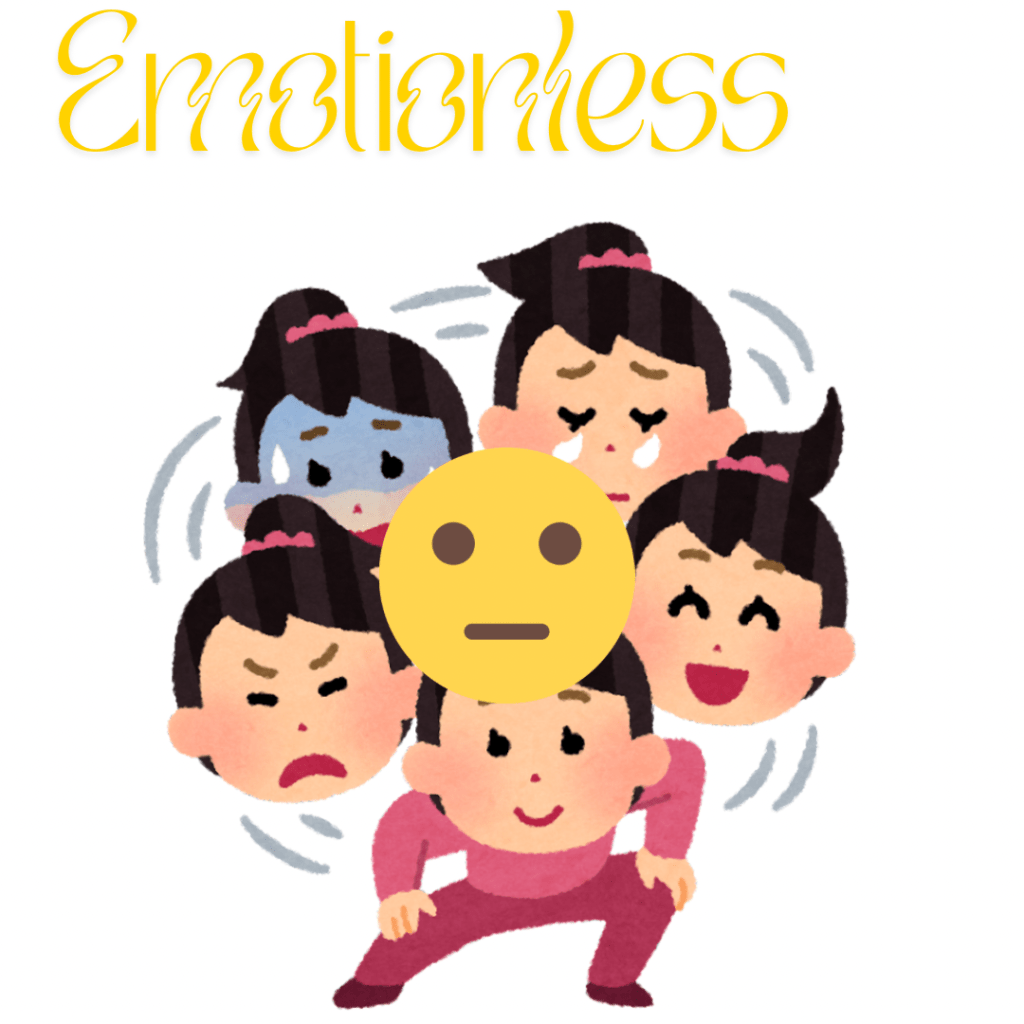
In a world often dominated by the intense expression of emotions, the concept of being “emotionless” can seem paradoxical or even undesirable. However, this term doesn’t necessarily mean lacking emotions entirely. Rather, it can signify the ability to regulate and manage one’s emotional responses effectively, especially in situations where heightened emotions may lead to unfavorable outcomes. This skill is invaluable in various situations, helping individuals navigate life’s challenges with greater ease and clarity. Let’s explore the benefits of emotional regulation, highlighting its value in various aspects of life.
The Myth of Being Emotionless: Regulating vs. Suppressing
Before delving into the benefits, it’s important to clarify that being “emotionless” does not equate to being devoid of feelings or empathy.
This distinction is crucial because it underscores a form of emotional intelligence rather than a suppression of emotions.
Emotional Regulation
Emotional regulation involves recognizing and understanding one’s emotions, but choosing not to be controlled by them or acting impulsively.
Emotional Suppression
Emotional Suppression, on the other hand, involves ignoring or pushing away emotions, often leading to emotional numbness or detachment. This can be detrimental, as it prevents the natural emotional process and can result in unresolved emotions resurfacing later.
This is an important distinction especially in sensitive situations.
The Workplace: Navigating High-Stakes Environments
In professional settings, particularly in high-stress environments such as emergency response, finance, or surgery, the ability to manage emotions is invaluable. Consider a surgeon in the middle of a critical operation. The stakes are incredibly high, and the patient’s life depends on the surgeon’s precision and focus. If the surgeon allows fear, anxiety, or other emotions to take over, their performance could be compromised. By maintaining a composed demeanor, the surgeon ensures the best possible outcome for the patient.
Similarly, in the financial industry, traders often face volatile markets where impulsive reactions can lead to significant losses. Those who excel in this field typically exhibit a high degree of emotional regulation, allowing them to make decisions based on data and strategy rather than emotional responses like fear or greed.
Personal Relationships: The Balance of Emotions
While emotional regulation is often seen as a professional asset, it also plays a critical role in personal relationships. In moments of conflict, maintaining composure can prevent escalation and facilitate more constructive communication. For instance, in a marital disagreement, one partner’s ability to remain calm and discuss issues rationally can defuse tension and lead to a more productive resolution.
acknowledge feelings without letting them dictate your behavior
Moreover, emotional regulation can prevent the internalization of negative emotions, which can be detrimental to mental health. By acknowledging feelings without letting them dictate behavior, individuals can avoid unnecessary stress and maintain a more balanced perspective.
Crisis Management: Leading with a Steady Hand
The ability to remain calm and focused under pressure is a hallmark of effective leadership.
Leaders in any capacity, whether in business, community, or family settings, are often looked to for guidance during crises. The ability to remain calm and focused under pressure is a hallmark of effective leadership. This doesn’t mean ignoring or suppressing emotions but rather managing them in a way that enables clear thinking and decisive action.
For example, during a natural disaster, community leaders who maintain their composure can more effectively coordinate relief efforts and provide reassurance to those affected. Their steadiness becomes a source of strength for others, underscoring the value of emotional regulation in leadership roles.
The Path to Emotional Regulation
Achieving a balanced emotional state is a lifelong process that involves self-awareness, mindfulness, and sometimes professional guidance. Practices such as meditation, cognitive-behavioral techniques, and emotional intelligence training can enhance one’s ability to regulate emotions. These skills are not just for high-pressure professions but are beneficial for anyone looking to improve their emotional resilience and interpersonal relationships.
More relatable examples
Handling Family Conflicts
Family gatherings, while often joyful, can sometimes become hotbeds for conflicts and disagreements. Whether it’s a dispute over differing opinions, lifestyle choices, or old grievances, emotions can flare up quickly. In such moments, the ability to regulate one’s emotions—choosing not to react impulsively or angrily—can be crucial.
Imagine a family dinner where a sensitive topic is brought up. Instead of reacting defensively or lashing out, someone practicing emotional regulation might choose to stay calm and address the issue thoughtfully, or even steer the conversation in a more positive direction. This approach not only prevents escalation but also sets a tone of respect and understanding, making it easier to resolve differences and maintain harmony.
Parenting: The Calm Amidst Chaos
Parenting is a journey filled with challenges that can test one’s patience and emotional stability. Whether dealing with a toddler’s tantrum, a teenager’s rebellion, or the stress of juggling multiple responsibilities, parents often find themselves in situations where their emotional reactions could significantly impact their children.
For example, when a child throws a tantrum in public, a parent who can regulate their emotions will likely handle the situation more effectively. Instead of reacting with frustration or embarrassment, they might calmly address the child’s needs, helping to defuse the situation. This not only models healthy emotional responses for the child but also preserves the parent’s own well-being, avoiding the guilt or regret that often follows an emotional outburst.
Navigating Friendships and Social Interactions
Friendships and social interactions come with their own set of emotional dynamics. Misunderstandings, unmet expectations, or differing perspectives can lead to conflicts or feelings of hurt. In these situations, emotional regulation helps maintain the integrity of relationships.
Consider a scenario where a friend unintentionally makes a hurtful comment. An immediate emotional response might be to react angrily or withdraw. However, someone who practices emotional regulation might take a moment to assess the situation, consider the friend’s intentions, and respond in a way that seeks clarification rather than confrontation. This approach not only resolves misunderstandings more peacefully but also strengthens the bond of friendship through mature and respectful communication.
Coping with Personal Challenges
Life’s challenges, such as career setbacks, health issues, or personal losses, often bring intense emotional reactions. While it’s natural and healthy to experience these emotions, how one manages them can make a significant difference in coping and recovery.
For instance, facing a job loss can lead to feelings of anxiety, anger, or despair. However, someone who is skilled in emotional regulation might acknowledge these feelings but choose to focus on actionable steps, such as updating their resume, networking, or exploring new opportunities. This proactive approach not only helps in managing stress but also fosters resilience, turning a potentially paralyzing situation into one of growth and learning.
Conclusion
“Even fools seem smart when they are quiet.”
Proverbs 17:28 CEV
Being “emotionless,” when understood as emotional regulation, is a valuable skill that enhances personal and social well-being. In various aspects of life—from the workplace to personal relationships, such as dealing with family conflicts, parenting challenges, social interactions, or personal setbacks, and leadership roles, the ability to manage emotions effectively leads to healthier relationships and a more balanced life. Including effective decision-making, better mental health, and improved interactions with others. In a world where emotional reactions are often immediate and intense, the capacity to regulate these responses is not just a strength; it is, indeed, priceless.
 Think-Talk