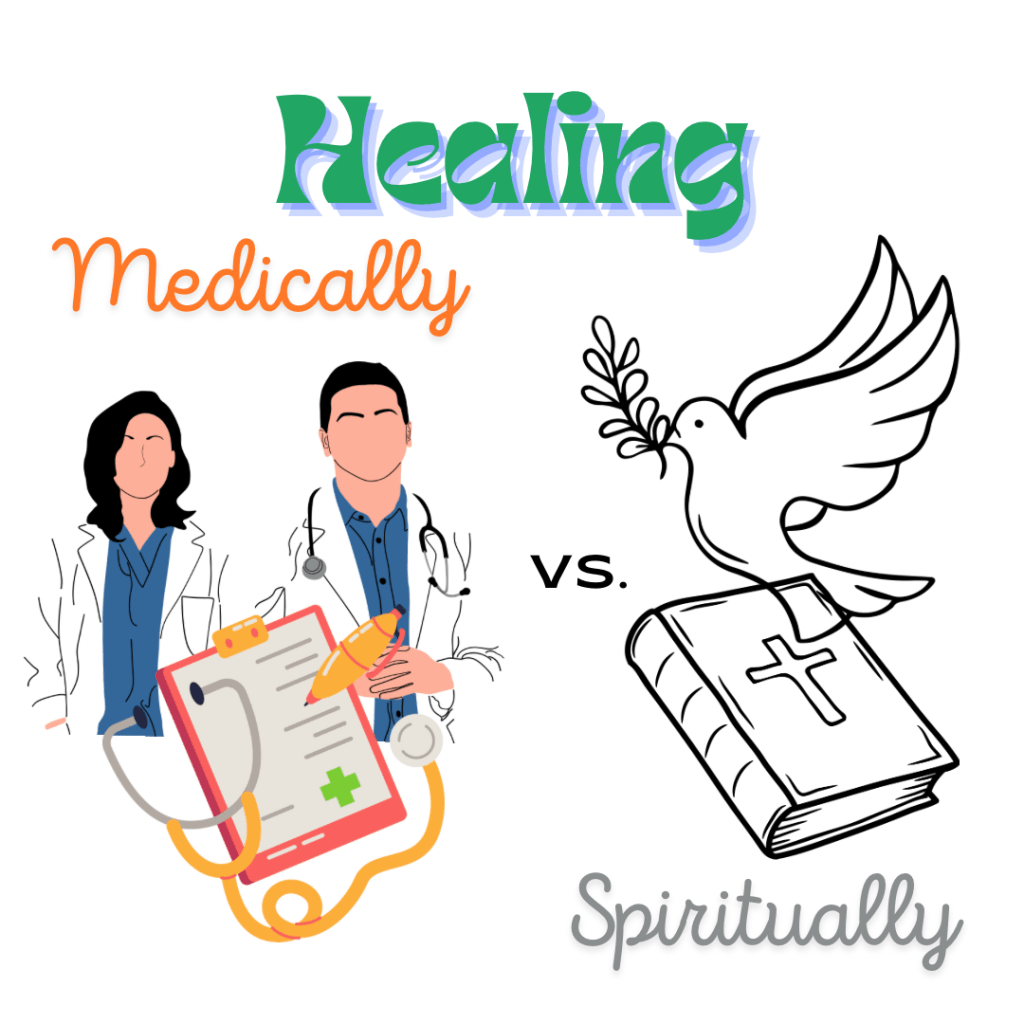
Dealing with health issues is an inevitable part of life. Whether minor or major, these challenges often require us to navigate complex decisions about treatment, lifestyle adjustments, and emotional coping strategies. While the medical approach offers concrete, evidence-based solutions, the spiritual perspective provides emotional and existential support, helping individuals find meaning and peace in their experiences. Far from being in opposition, these two perspectives can be highly complementary when integrated thoughtfully. This post explores how to effectively combine medical and spiritual approaches to manage health issues, creating a holistic pathway to healing and well-being.
Understanding the Medical Perspective
The medical perspective on health issues is grounded in science, focusing on diagnosis, treatment, and prevention based on empirical evidence. Physicians, specialists, and healthcare providers use various tools—such as medications, surgeries, therapies, and lifestyle recommendations—to address the physical aspects of illness. The goal is to alleviate symptoms, cure diseases, and improve patients’ overall quality of life.
Strengths of the Medical Approach:
- Evidence-Based: Treatments are based on rigorous scientific research and clinical trials, ensuring they are effective and safe.
- Tangible Results: Medical interventions often provide clear, measurable improvements in health, whether through medication, surgery, or other treatments.
- Preventative Focus: Modern medicine emphasizes prevention through vaccines, screenings, and lifestyle changes, reducing the risk of severe health issues.
However, the medical approach can sometimes feel impersonal, focusing solely on the physical body and often neglecting the emotional, mental, and spiritual dimensions of health.
The medical approach also lacks individuality in that it uses the same evidence-based treatments for all.
The Spiritual Perspective on Health
Spirituality deals with questions of meaning, purpose, and connection to something greater than oneself. For many, spirituality is closely linked to religion, but for others, it can also be a broader sense of connection to the universe, nature, or one’s inner self.
My spirituality is Christ-based. This post, and all spiritual posts, therefore are from His perspective.
When facing health challenges, spirituality can provide comfort, hope, and a sense of peace that medical interventions alone may not offer.
In Christianity, the spiritual perspective includes the belief in divine healing and miracles, which play a significant role in how believers approach health issues. According to Christian teachings, God is seen as the ultimate healer, the Great Physician, and the Bible recounts numerous instances of Jesus healing the sick and performing miracles. Many Christians believe that the gifts of healing and miracles are still active today, manifested through prayer, faith, and the work of the Holy Spirit.
Strengths of the Spiritual Approach:
- Emotional Resilience: Spirituality can help individuals cope with the emotional and psychological stress of illness, offering solace and strength.
- Holistic Healing: Spiritual practices, such as prayer and meditation, often address the whole person—mind, body, and spirit—promoting overall well-being.
- Faith in Healing: Many Christians believe in the power of prayer and faith to bring about physical healing, either through miraculous means or as part of God’s plan working through medical treatments.
- Sense of Community: Spiritual traditions often emphasize the importance of community support, which can be crucial during times of illness.
While these spiritual practices can bring about profound peace and even physical healing, it is also important to balance them with medical care. Relying solely on spiritual practices without considering medical advice can sometimes lead to neglect of necessary treatments, potentially worsening health outcomes.
Are the Medical and Spiritual Perspectives in Opposition?
Contrary to what some might believe, the medical and spiritual perspectives are not inherently opposed. Instead, they can complement each other, offering a more comprehensive approach to healing. While medicine addresses the physical aspects of illness, spirituality—particularly within a Christian context—can provide deeper emotional, psychological, and sometimes even the miraculous both of healing and support, helping individuals navigate the challenges of treatment and recovery.
Complementary Benefits:
- Enhanced Coping Mechanisms: Integrating spirituality with medical treatment can improve patients’ mental health, reducing anxiety, depression, and stress related to their condition.
- Improved Treatment Adherence: Patients who find meaning and purpose in their illness, especially through their faith, are often more motivated to adhere to medical treatments and maintain a positive outlook.
- Holistic Care: By addressing both the physical and spiritual needs of patients, healthcare providers can offer more personalized and compassionate care, leading to better overall outcomes.
Recommendations for Integrating both Approaches
1. Open Communication with Healthcare Providers:
- Discuss your spiritual beliefs and practices with your healthcare provider. Many doctors recognize the importance of spirituality and are open to incorporating it into your treatment plan. For example, they may be supportive of prayer, meditation, or other spiritual practices that you find comforting.
2. Incorporate Mind-Body Practices:
- Engage in mindfulness activities like meditation and mindful walking that bridge the gap between physical health and spiritual well-being. These practices not only improve physical fitness but also promote inner peace and stress reduction.
3. Pray for Healing:
- For Christians, prayer is a powerful tool in seeking healing. Whether praying alone, with loved ones, or with a congregation, asking God for healing can be a source of comfort and hope. Many believers also seek out spiritual leaders who have the gift of healing to pray over them, trusting in God’s ability to perform miracles.
4. Seek Support from a Spiritual Community:
- Whether through a church or other spiritual community, seek support from others who share your beliefs. Spiritual communities often provide not only emotional support but also practical help during times of illness.
5. Practice Regular Meditation or Prayer:
- Daily meditation or prayer can provide a sense of calm and help you maintain a positive outlook, even in the face of serious health challenges. These practices can also help you connect with your inner self or a higher power, providing strength and resilience.
6. Explore Spiritual Counseling or Chaplaincy Services:
- Many hospitals and healthcare facilities offer spiritual counseling or chaplaincy services. These professionals can help you navigate the emotional and spiritual challenges of illness, offering guidance and support that complements medical treatment.
7. Balance Treatment with Faith:
- While it is important to follow medical advice, you can also seek spiritual healing through faith. Belief in divine intervention, miracles, or the power of prayer can coexist with medical treatments, creating a balanced approach to healing.
Conclusion
Dealing with health issues is a multifaceted challenge that often requires more than just medical intervention. By integrating both medical and spiritual perspectives, individuals can approach their health in a holistic manner, addressing not only the physical aspects of illness but also the emotional, psychological, and spiritual dimensions. I have personal experiences, and seen multiple healed spiritually. Rather than being in opposition, these perspectives can work together to promote healing and well-being, offering a fuller, more compassionate approach to health care. For Christians, the belief in the gift of healing and miracles can add an additional layer of hope and faith, encouraging them to trust in God’s power while also embracing the benefits of medical treatment.
 Think-Talk