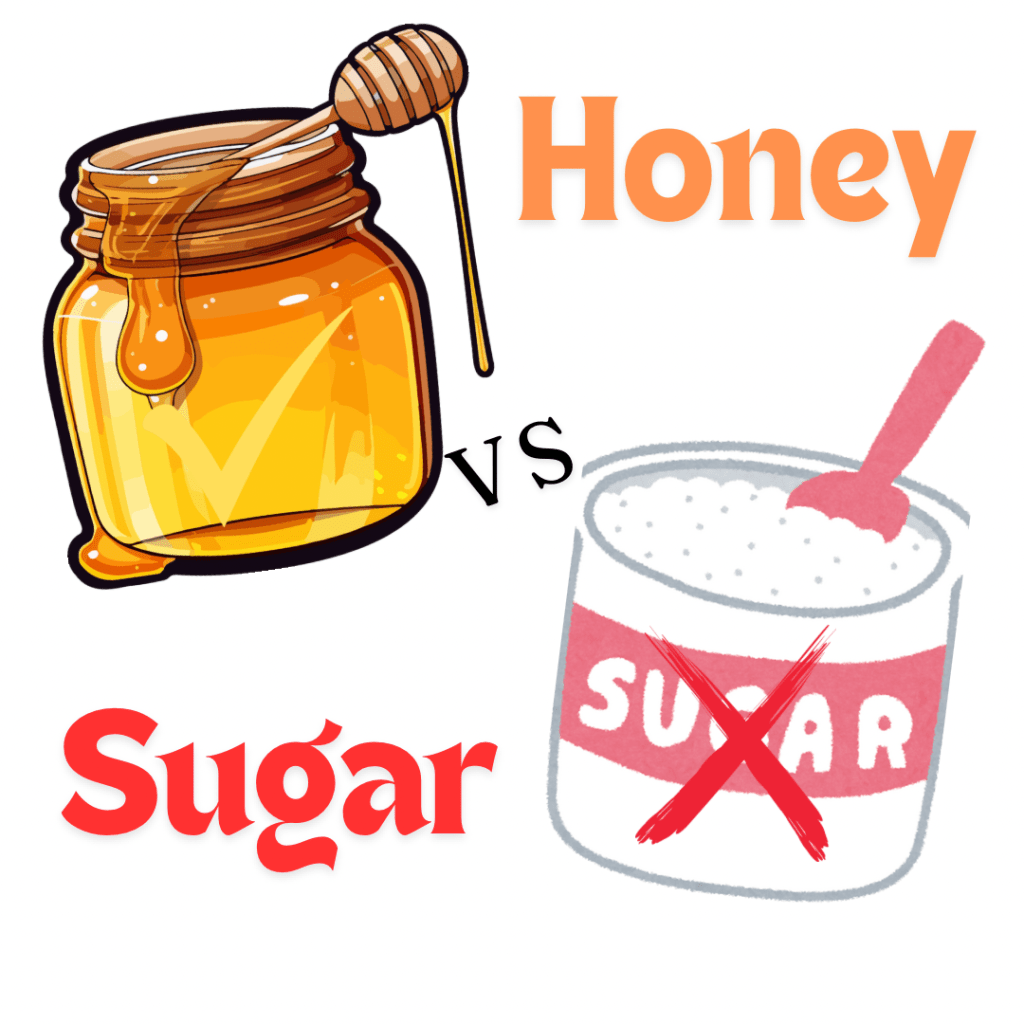
Honey has long been touted as a healthier alternative to sugar, especially when it comes to sweetening your morning coffee or afternoon tea. But with honey’s high sugar content, many wonder whether it’s genuinely a better option. Despite honey’s natural sugars, there are compelling reasons why it might be a better choice than refined sugar. Here’s why you might consider reaching for honey the next time you need a sweet boost in your drinks.
Nutritional Benefits
Unlike refined sugar, which is essentially empty calories, honey contains a variety of nutrients. Honey is rich in antioxidants, which help protect your body from cell damage caused by free radicals. Depending on the type of honey, you can also find trace amounts of vitamins and minerals like vitamin C, calcium, and iron. However, it’s important to note that the vitamin content in honey is quite minimal—so much so that it often isn’t listed on the labels. The real value of honey lies in its natural sugars, antioxidants, and other beneficial properties rather than its vitamin content.
Lower Glycemic Index (GI)
Honey, while still containing sugars, has a lower glycemic index than regular sugar.
One of the main concerns with sugar is its high glycemic index (GI), which measures how quickly a food raises blood sugar levels. Honey, while still containing sugars, has a lower glycemic index than regular sugar. This means it causes a slower, more gradual increase in blood sugar levels, reducing the risk of the spikes and crashes associated with sugar. This makes honey a more stable source of energy and better for those monitoring their blood sugar levels.
Understanding the Glycemic Index
The glycemic index (GI) is a ranking system that measures how quickly a carbohydrate-containing food raises blood sugar levels after consumption. The scale ranges from 0 to 100, with higher values indicating faster spikes in blood sugar. Foods with a high GI (70 and above) cause rapid increases in blood sugar, while those with a low GI (55 and below) result in slower, more gradual increases.
Sugar and its Glycemic Impact:
Refined sugar, commonly known as table sugar (sucrose), has a high glycemic index, typically around 65. This means that when you consume sugar, it is rapidly broken down into glucose and absorbed into the bloodstream, leading to a quick spike in blood sugar levels. Such spikes can cause a burst of energy followed by a rapid decline, often referred to as a “sugar crash,” which can leave you feeling tired and craving more sugar.
Honey and its Lower Glycemic Index:
Honey, on the other hand, has a glycemic index that ranges between 35 and 58, depending on the type of honey and its floral source. This variation occurs because honey is composed of a mixture of fructose and glucose, with fructose having a lower glycemic index than glucose. The higher the fructose content in honey, the lower its glycemic index.
When you consume honey, the fructose is metabolized more slowly by the liver, leading to a more gradual release of glucose into the bloodstream. This slower absorption helps prevent the rapid spikes and crashes associated with high-GI foods like refined sugar. As a result, honey provides a more sustained energy release, making it a better option for maintaining stable blood sugar levels throughout the day.
Why the Glycemic Index Matters
The glycemic index is particularly important for individuals managing conditions like diabetes or insulin resistance, as it helps them choose foods that won’t cause dramatic fluctuations in blood sugar. Even for those without these conditions, opting for lower-GI foods like honey can contribute to more consistent energy levels and better overall health.
Antibacterial and Antifungal Properties
Honey, particularly varieties like Manuka honey, is renowned for its antibacterial and antifungal properties. This makes honey not just a sweetener, but also a natural remedy for various ailments. From soothing sore throats to helping with wound healing, the medicinal benefits of honey add another layer of value that sugar simply doesn’t offer.
Natural Sweetness and Flavor
Less Processed
While sugar goes through an extensive refining process, most honey is less processed, particularly raw and organic varieties. This minimal processing helps retain its natural enzymes, antioxidants, and phytonutrients, making it a more wholesome choice. The closer a sweetener is to its natural state, the more beneficial it is likely to be for your health.
Potential Health Benefits
Regular consumption of honey has been linked to a variety of health benefits, including improved heart health, better digestion, and enhanced immune function. Studies have shown that honey can help reduce inflammation and improve cholesterol levels. While these benefits are linked to moderate consumption, they offer a compelling reason to choose honey over sugar.
Sustainability
Honey production is generally more sustainable than sugar production. Beekeeping supports the health of bee populations, which are crucial for pollinating crops and maintaining biodiversity. In contrast, sugarcane and sugar beet farming can have significant environmental impacts, including deforestation, water use, and soil degradation.
Various flavors of Honey
Honey’s flavor profile is far more complex than that of sugar. Depending on the flowers the bees have visited, honey can have subtle notes of floral, fruity, or even woody flavors. This complexity can enhance the taste of your drinks, adding depth and richness that sugar cannot match. For those who enjoy experimenting with flavors, honey offers an array of options to suit different tastes.
Flavored honey and specialty types like Manuka honey have unique characteristics, and they do offer some distinct benefits. Here’s a breakdown of what you can expect:
Flavored Honey:
Flavored honey refers to honey that has been infused with various natural ingredients or derived from specific plants, which can impart different tastes and sometimes additional benefits.
- Sage Honey:
- Flavor: Sage honey has a mild, slightly herbal taste, often with a hint of earthiness.
- Benefits: Sage itself is known for its antioxidant and anti-inflammatory properties, and while these benefits are not directly transferred in large amounts through the honey, the subtle infusion of sage can complement herbal teas and potentially enhance soothing effects for colds or sore throats.
- Lemon Honey:
- Flavor: Lemon-infused honey combines the sweetness of honey with a citrusy tang.
- Benefits: Lemon honey can be particularly soothing for the throat and is often used in hot teas to help relieve cold symptoms. The lemon adds a boost of vitamin C and a refreshing taste, making it a popular choice for natural remedies.
- Floral Honey (e.g., Lavender, Wildflower):
- Flavor: Floral honey varieties take on the aromatic profiles of the flowers from which the nectar is collected. Lavender honey, for instance, has a delicate floral taste, while wildflower honey can vary widely depending on the flowers the bees visited.
- Benefits: While the additional benefits are more about taste and aroma, floral honeys can provide a calming effect, especially varieties like lavender honey. They are often used in aromatherapy or in teas meant for relaxation.
Manuka Honey:
Manuka honey is a special type of honey that comes from bees that pollinate the Manuka bush (Leptospermum scoparium), which is native to New Zealand and parts of Australia.
- Unique Properties:
- Methylglyoxal (MGO): Manuka honey contains high levels of methylglyoxal (MGO), a compound responsible for its strong antibacterial properties. The MGO content in Manuka honey is much higher than in regular honey, making it particularly effective for medicinal uses.
- UMF Rating: Manuka honey is often labeled with a Unique Manuka Factor (UMF) rating, which indicates its potency and purity. The higher the UMF rating, the more powerful its antibacterial and therapeutic effects.
- Benefits:
- Wound Healing: Manuka honey is widely used in medical settings for its ability to promote wound healing, reduce infection, and even treat conditions like ulcers and burns.
- Digestive Health: Some studies suggest that Manuka honey can help with digestive issues, such as reducing symptoms of irritable bowel syndrome (IBS) and improving gut health.
- Immune Support: The high antioxidant levels and antibacterial properties make Manuka honey a popular choice for supporting the immune system, particularly in fighting off colds and infections.
In summary, flavored honeys offer additional benefits primarily through their taste and the mild properties of the ingredients infused into them. They can make your tea or coffee not just sweeter, but also more aromatic and potentially soothing.
Manuka honey stands out due to its potent medicinal properties, particularly its high MGO content, making it valuable for therapeutic uses beyond just sweetening drinks. If you’re looking for honey with specific health benefits, Manuka is often considered one of the best options.
Conclusion: A Balanced Perspective
While honey does contain sugar, the type of sugars, the presence of antioxidants, and the other health benefits make it a superior choice compared to refined sugar. It’s important to use honey in moderation, as it is still a source of calories and sugar. However, if you’re looking to add sweetness to your drinks while also gaining some health benefits, honey is definitely worth considering as a more natural and nutritious alternative to sugar.
 Think-Talk