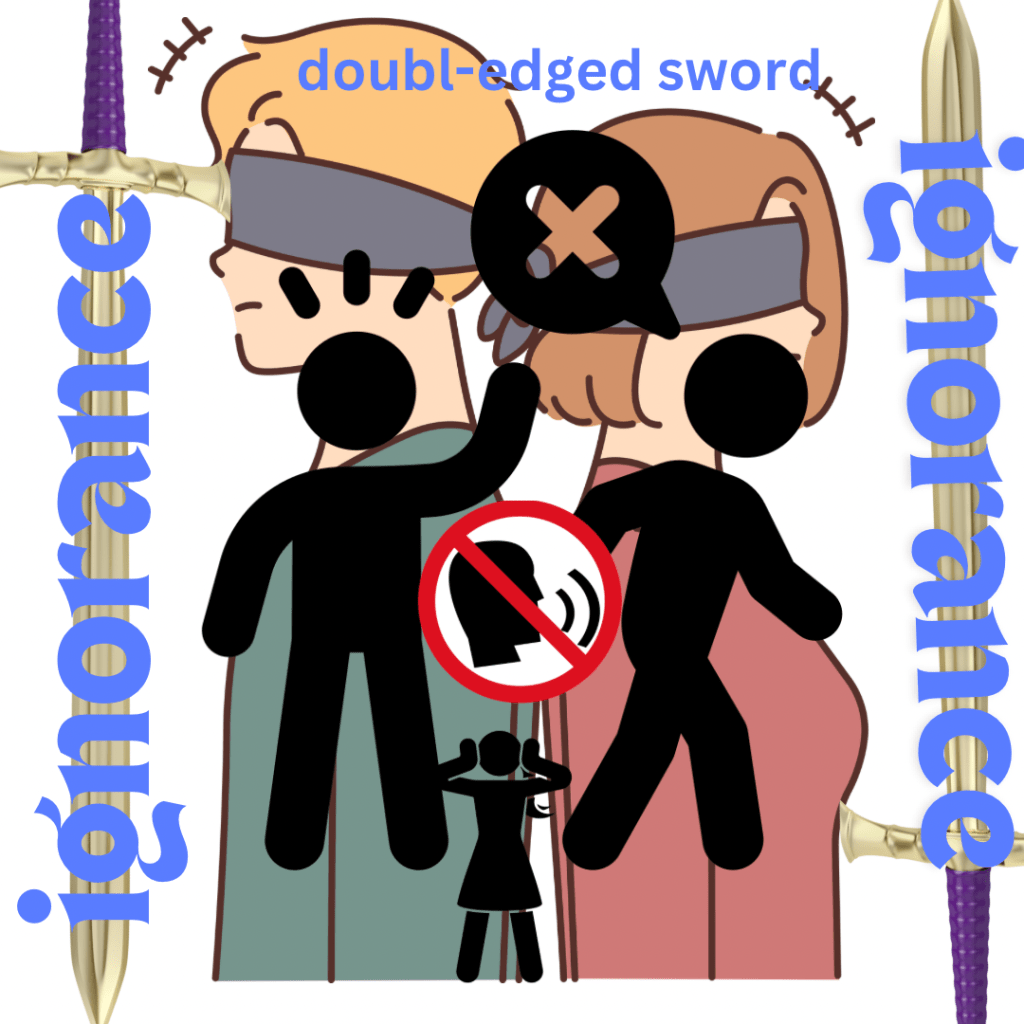
We are all too familiar with the phrase “ignorance is no excuse” which is often used in legal, professional, and personal settings to emphasize that not knowing something doesn’t absolve you from the consequences of your actions. Whether in the workplace, relationships, or everyday life, we all encounter situations where a lack of knowledge could lead to problems.
Here are couple examples,
1. In visiting London, U.K., you pick up your rental car, find that the steering is differently located than where you’re used to, you begin to drive on their roads or M1 and drive on the opposite sides. You will cause commotion, accidents, and probably get arrested by the British Police. Before you know it, Scotland Yard is involved …
2. You’re British visiting USA for the first time. You’re so “excited” to see the Police all glaringly decked with their weapons. You gleefully run to the Officer ..,
The above are actually known examples. I hope you get the picture of the possible outcomes.
In a world brimming with information, ignorance can no longer be a shield from responsibility.
Ignorance in Relationships or Marriage
Having said that, will not knowing who or what kind of person you married (or are in relationship with) absolve one of the consequences or outcome of their actions?
Maybe; Maybe not.
There’s a part of me that wants to say that the consequences are shared responsibilities and staying in the relationship or marriage is a choice of either one or both.
In a marriage, it is not uncommon for the women to choose to endure and stay for the children’s sake. This is a controversial decision as staying in such marriage may make it toxic and traumatic for all involved, including the children. But, for the grace of God, every family member ought to seek counseling afterwards.
However, in a relationship, I personally don’t see anything binding to compel anyone to continue to stay in such relationship, except for financial reasons. That is, one of the partners has the financial dependency.
Take Proactive Steps
ignorance is pointed out by others and can be embarrassing, but it’s crucial to remain open to feedback
But here’s the good news: ignorance can be corrected. If you’re willing to take proactive steps, you can expand your understanding and make better decisions. This post will help guide you through acknowledging areas where you might lack knowledge and how to improve yourself.
- Recognize Your Ignorance
The first step in overcoming ignorance is admitting that you don’t know everything. While it’s normal to have gaps in knowledge, it’s essential to pinpoint areas where your lack of understanding could negatively affect your life, work, or relationships. This self-awareness requires humility and honesty. Ask yourself:
- Where do I feel most unprepared or uninformed?
- What areas of my life often lead to misunderstandings or mistakes?
- How do I react when I’m confronted with something I don’t understand?
By recognizing these gaps, you set the stage for growth.
- Research and Ask Questions
Once you’ve identified the areas of ignorance, the next step is to seek knowledge. Research is your best friend here. Thanks to the internet, we have access to vast amounts of information, but it’s crucial to use credible sources.
For more technical or specialized subjects, consider:
- Books: Find respected authors in your field of interest.
- Online courses: Platforms like Coursera, Udemy, and Khan Academy offer lessons on virtually every subject.
- Experts: Don’t hesitate to ask those who are more knowledgeable. Mentors, colleagues, or professionals in your desired area can help guide your learning.
For relationships or marriage:
There are also books that can guide you through what a healthy relationship or marriage is or should look like. In addition, seek out couples who have experienced and have such healthy relationships or marriages either as mentors or asking one-on-one specific questions.
Asking questions, even basic ones, is one of the most effective ways to fill in knowledge gaps. No question is too small if it helps you gain clarity.
- Be Open to Feedback
Sometimes ignorance is pointed out by others. This can be embarrassing, but it’s crucial to remain open to feedback. Instead of becoming defensive, use it as a learning opportunity. People who are willing to correct you care about your growth. Reflect on the feedback and ask follow-up questions if necessary.
In relationships, for instance, being ignorant of your partner’s needs can create tension. If they communicate their concerns, listen and seek to understand, rather than getting defensive. This can help you grow emotionally and relationally.
- Practice Continuous Learning
Ignorance isn’t just a one-time issue. It’s easy to become complacent and think you’ve learned enough, but the world is constantly changing, and knowledge evolves. Make a habit of continuous learning:
- Stay curious: Maintain a sense of wonder and curiosity in your everyday life.
- Read regularly: Whether it’s the news, articles in your field, or even books outside your comfort zone, reading keeps your mind sharp.
- Attend workshops and seminars: Actively participate in events where you can learn from experts and peers.
Just like physical exercise, learning needs to be consistent to maintain its benefits.
- Apply What You Learn
Knowledge without action is wasted. Once you’ve gained new understanding, it’s important to apply it in your life. This could mean making better financial decisions, improving your communication with loved ones, or advancing your career through new skills.
For example, if you’ve realized you were ignorant about healthy eating, start incorporating what you’ve learned into your meal planning. Or, if you were unaware of workplace procedures, begin implementing them in your daily tasks.
- Admit Your Mistakes
At some point, your ignorance may have caused harm or led to a mistake. Instead of avoiding responsibility, own up to it. Apologize where necessary, particularly in relationships/marriages, and explain what you’ve learned from the situation. This builds trust with others and shows a commitment to personal growth. Owning your errors is a sign of maturity and a crucial step in moving beyond ignorance. On the other hand, attempting to bulldoze your way through is a sign of immaturity and one who didn’t learn anything from their ignorance, harm, or error. For this reason, sadly, those harm will be repeated, thus becoming a cycle.
A true apology also means that the offender will do their best not to repeat their ignorance or intentionally harm the other person.
- Seek Mentorship or Guidance
A mentor can be invaluable in helping you overcome ignorance in specific areas. Whether it’s career development, personal growth, or relationships, finding someone who has walked the path before you provides both accountability and insight.
Ask yourself:
- Who has the experience or knowledge I need?
- Who is willing to help guide me without judgment?
A good mentor can help you avoid common pitfalls and accelerate your learning.
Ignorance is a Choice, Knowledge is Power
In summary, and in today’s age, ignorance is often a choice. The tools to learn and grow are available to nearly everyone, and while no one can be an expert in everything, there is no excuse for remaining uninformed in crucial areas of your life. By admitting your ignorance, seeking knowledge, applying what you learn, and staying humble, you can transform your life for the better.
Ignorance may not absolve you of responsibility, but correcting it empowers you to make better decisions, avoid pitfalls, and build more meaningful relationships.
 Think-Talk
Pingback: Hommes Fatales - Think-Talk
Pingback: Ignorance Is No Excuse – Gospelchats.Com