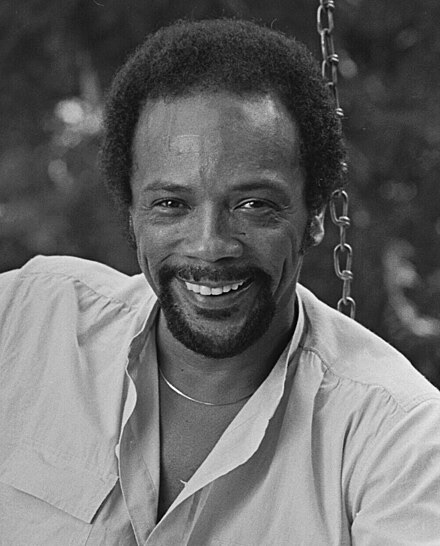
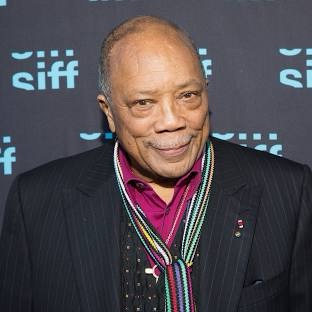
I was a teenager in London, U.K., when I first heard about Quincy Jones, popularly known in the music industry simply as “Q.” My aunt, who once lived in San Francisco, CA for many years, adores him. I learned about Q long before I smelled the shores of the USA. Sadly, Mr. Jones left this world on Sunday, November 3rd, 2024. He was 91.
Imagine what a harmonious world it could be if every single person, both young and old shared a little of what he is good at doing.
During a special celebration for his 85th birthday, Q was asked, “what legacy do you want to leave behind?” He simply replied, “that I lived from 1933 to 2033.” Though nine years shorter than he had “predicted,” Q lived an amazingly fruitful life.
The man popularly known as Q: Early Career
Let you pain make music for you
Quincy Jones is one of the most influential and powerful figures in the music industry, with a career spanning more than seven decades. Known for his remarkable versatility as a composer, producer, arranger, and conductor, Jones has left an indelible mark on genres ranging from jazz and pop to R&B, soul, and even film scores. His work has not only defined eras of music but has also broken down racial and cultural barriers, shaping the sound of the 20th century and beyond.
Jones’s musical journey began at a young age in Chicago, where he discovered a passion for music, eventually mastering the trumpet. In his teens, he moved to Seattle, where he met Ray Charles, a lifelong friend and collaborator, and began playing professionally. By his early twenties, he was touring with jazz great Lionel Hampton, quickly establishing himself as a talented musician and arranger. Jones’s jazz career reached new heights in the 1950s, where he collaborated with legends like Dizzy Gillespie, Sarah Vaughan, and Count Basie, and eventually became the first African American to hold a high-level executive position at a major record label, Mercury Records.
The man popularly known as Q: And late Michael Jackson
Perhaps his most well-known work is his collaboration with Michael Jackson. Jones produced Jackson’s Off the Wall, Thriller, and Bad albums, which revolutionized pop music. Thriller, in particular, became the best-selling album (70 million) of all time, cementing Jones’s reputation as a producer who could blend various musical styles into universally appealing sounds. He had an extraordinary ability to connect with artists and bring out the best in them, whether it was Jackson, Frank Sinatra, or Aretha Franklin.
The man popularly known as Q: And Films
Beyond the recording studio, Jones made significant contributions to film and television. His score for In the Heat of the Night (1967) was groundbreaking, as he became one of the first Black composers in Hollywood, and his work on The Wiz (1978) and Roots (1977) further showcased his ability to craft music that resonated deeply with audiences. He has scored over 35 major motion pictures, receiving acclaim for his innovative compositions and his trailblazing role in a historically exclusive industry.
The man popularly known as Q: And Awards
Throughout his life, Quincy Jones has received numerous accolades, including 28 Grammy Awards and an impressive 80 nominations. In 1990, he was honored with the Grammy Legend Award, underscoring his enduring impact on music and popular culture. But his influence goes beyond accolades. He has mentored countless artists, from Will Smith to Oprah Winfrey, demonstrating his commitment to nurturing the next generation of talent. In 2001, he co-founded the Quincy Jones Music Consortium to advocate for music education in schools, ensuring his legacy will continue to inspire young musicians.
The man popularly known as Q: And Frank Sinatra
Quincy Jones and Frank Sinatra had a unique and powerful friendship that transcended the typical artist-producer relationship. They met in the late 1950s, a time when racial tensions in America were high, and their collaboration was not only groundbreaking musically but also socially significant. The two first worked together on Sinatra’s 1964 album It Might as Well Be Swing, featuring Count Basie’s orchestra. Jones served as the arranger and conductor, and their chemistry was immediate and undeniable.
Sinatra saw Jones’s talent and respected his artistry, referring to him fondly as “Q.” The respect went both ways, with Jones admiring Sinatra’s mastery of timing, phrasing, and emotional expression in his vocals. Sinatra was known for his exacting standards, but Jones’s impeccable arrangements and his deep understanding of music impressed even the “Chairman of the Board.” Their collaboration brought together Jones’s jazz and big band expertise with Sinatra’s timeless style, resulting in a sound that was both classic and refreshingly modern.
“Frank Sinatra took me by the hand and made me feel like a human being, like an equal, in a time when I wasn’t always treated that way.”
What stood out about their partnership was Sinatra’s genuine loyalty and respect for Jones during a period when such relationships between Black and white musicians were rare. Sinatra wasn’t just a collaborator; he was an advocate for Jones. He stood up for him in an industry that still had considerable racial barriers, ensuring that Jones received the respect and opportunities he deserved. This relationship helped Jones break through some of the limitations imposed on Black musicians at the time and gave him a solid foothold in Hollywood and mainstream music.
Jones once said, “Frank didn’t care what color you were. If you had what he needed, he would support you.” This mutual respect and Sinatra’s open-mindedness made a lasting impact on Jones, and he often spoke of Sinatra with deep affection. Their friendship and collaboration spanned decades, with Jones arranging and conducting for Sinatra into the 1980s, including on projects like Sinatra at the Sands with the Count Basie Orchestra.
Quincy Jones and Frank Sinatra’s relationship wasn’t just about making music—it was a bond that reflected the highest respect and admiration for each other’s artistry. Their friendship broke down racial boundaries and exemplified the best of what music can do: bring people together.
The man popularly known as Q: Remembered
Quincy Jones will mostly be remembered for his role as a visionary music producer and cultural icon who transformed the landscape of popular music. His collaboration with Michael Jackson on albums like Thriller—still the best-selling album of all time—is perhaps his most defining work, showcasing his genius for blending genres, creating universally appealing music, and pushing the boundaries of pop production. Beyond Thriller, Jones’s legacy includes his influence on jazz, R&B, and soul music, his pioneering presence in Hollywood as one of the first Black composers for major films, and his role as a mentor and advocate for music education.
I never cared about money or fame, and I don’t care now. I follow the groove, and money always follows.
Jones’s talent for creating legendary music went beyond technical skill; he had a gift for recognizing and elevating the unique strengths of artists he worked with. This ability made him not only a sought-after producer but also a beloved collaborator who could bring out timeless, unforgettable performances. In addition to his music, his career broke racial barriers and opened doors for future generations of Black artists and creators in an industry that was, at the time, still highly exclusive.
Ultimately, Quincy Jones will be remembered as a legendary maestro who bridged worlds with his music, left an indelible mark on multiple genres, and built a legacy that continues to inspire artists across generations.
The man popularly known as Q: Today
Today, Quincy Jones is celebrated not only as a musical icon but also as a visionary who bridged gaps in a divided industry. His legacy is one of creativity, resilience, and an unyielding belief in the power of music to connect people across generations and cultures. Whether as a pioneering producer, a jazz virtuoso, or a mentor, Quincy Jones’s contributions are as timeless as the music he has created.
Quincy Jones was known for his insightful, humorous, and often profound quotes on music, life, and creativity. Here are some of his most noted:
1. On music and creativity:
• “I’ve always said that I want to take people to places they haven’t been before.”
• “Music was the one thing that kept me alive. It kept me out of trouble. It gave me hope.”
• “Music is the voice of the soul of a nation. It keeps us all connected.”
2. On humility and learning:
• “I tell my kids to always keep their ego in check. Never get bigger than the music or the art.”
• “Not one drop of my self-worth depends on your acceptance of me.”
3. On collaboration and respect for artists:
• “The only real thing in life is love, and the only real thing in art is the truth.”
• “Everybody’s got a gift. It’s about finding that gift and nurturing it and giving it back, you know?”
4. On diversity and inclusivity in music:
• “When you make music, you want people to feel it. It’s not about color; it’s not about anything. It’s about: Do you have that emotion in the music?”
5. On the journey of life:
• “It’s been a blessing for me to have had the opportunity to touch so many people through music. But really, I just feel like I’m just getting started.”
These quotes capture Jones’s deep love for music, his belief in the power of connection, and his commitment to honesty and humility in his work and relationships. His words reveal not only the mind of a legendary musician but also a life philosophy that emphasizes passion, respect, and integrity.
Though gone, Quincy Jones will forever be remembered. R-I-P-P.
 Think-Talk