The Origin
Black Friday, now synonymous with frenzied shopping and deep discounts, has an interesting history. The term originally emerged in the 1950s in Philadelphia, where it was used to describe the day after Thanksgiving when massive crowds of suburban shoppers and tourists would flood the city ahead of the Army-Navy football game. This influx caused chaotic traffic jams and overworked police officers, who referred to the day as “Black Friday.” Retailers disliked the negative connotation and tried rebranding it to “Big Friday,” but the name “Black Friday” stuck.
By the 1980s, retailers across the country adopted the term and gave it a more positive spin, linking it to the point when stores move from being “in the red” (operating at a loss) to “in the black” (profiting). Over time, Black Friday evolved into a national phenomenon, marking the unofficial start of the holiday shopping season.
The Evolution
From Chaos to Strategy
In the early days, Black Friday was chaotic, with infamous scenes of stampedes and altercations as shoppers rushed for deals. Over time, stores implemented strategies like staggered deals, crowd control, and extended hours to create a safer and more organized shopping experience.
Expansion Beyond the U.S.
While Black Friday originated in the U.S., it has become a global event. Countries like Canada, the UK, Australia, and parts of Asia have embraced it, adapting it to their local retail calendars.
Shift to Online Shopping
With the rise of e-commerce, especially giants like Amazon, Black Friday has shifted online. Cyber Monday, initially a separate event for online deals, has now merged with Black Friday in many cases, creating a week-long shopping frenzy called “Cyber Week.”
Foot Traffic vs. Online Sales:
While online shopping has gained prominence, many shoppers still prefer the in-store experience for hands-on product testing and immediate gratification.
Why Do People Line Up Early for Black Friday?
1. Perceived Bargains: The promise of steep discounts and limited-time offers creates urgency. Retailers advertise “doorbuster” deals, which are significant price reductions on popular items like electronics, appliances, and toys. The fear of missing out (FOMO) drives shoppers to line up early, sometimes camping overnight.
2. Scarcity Marketing: Many of the best deals are available in limited quantities, prompting a “first come, first served” mentality. Shoppers believe being early is the only way to secure these highly sought-after items.
3. Tradition and Excitement: For some, Black Friday shopping is as much about the experience as it is about the deals. Friends and families treat it as a tradition, braving the crowds together for the thrill of the hunt.
Are Black Friday Bargains Really Worth It?
The value of Black Friday deals depends on the perspective and the product:
1. Great for Big-Ticket Items: Most sought-after items include electronics, home goods, clothing, and toys. Shoppers can score genuine savings on expensive items like TVs, laptops, and appliances, especially on models retailers want to clear out. However, these “doorbuster” deals are often in limited supply and may not represent the newest or highest-quality models.
2. Inflated Discounts: Some retailers inflate the “original” price to make the discount seem larger than it really is. For example, an item might be marked as 50% off when it’s only slightly cheaper than its average price throughout the year. The only way to know is to track your specific item throughout the year, not by visiting the store everyday, but at least once a month/quarter and compare the price to the advertised price for Black Friday. I have done this.
3. Better Deals Elsewhere: Cyber Monday and other holiday sales sometimes offer comparable or better discounts without requiring customers to stand in line or deal with crowds. In recent years, many retailers have extended Black Friday deals online, making the in-store rush less essential.
4. Impulse Buying: The hype can lead to overspending on items people don’t need, negating any perceived savings. Careful planning and research are essential to avoid falling into this trap.
Psychological Tactics of Black Friday
Retailers use psychological strategies to maximize sales and woo customers. These include:
1. Urgency and Scarcity: Phrases like “limited quantities” and countdown timers create a sense of urgency.
2. Loss Leaders: Retailers often sell a few key items at a loss to attract customers, banking on the likelihood they’ll purchase other full-priced items while in-store.
3. Doorbusters: These deeply discounted items lure customers into stores or websites, but they are often in short supply, creating competition among shoppers.
4. Price Anchoring: By showing the “original price” alongside the discounted one, retailers make the deal seem more significant, even if the item has been previously sold at a lower price.
Black Friday in Numbers
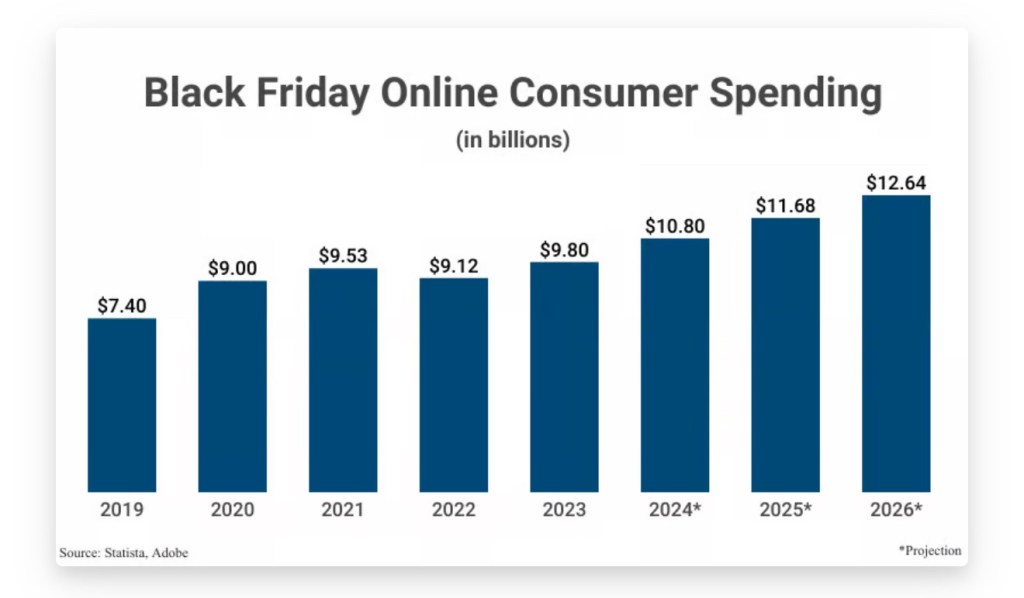
Black Friday consistently breaks sales records. In 2023 and 2022, U.S. shoppers spent approximately $9.8 billion and slightly over $9 billion respectively, online, during Black Friday alone. 2024 is projected to be at least $1 billion higher.
Criticisms of Black Friday
Personally, as a consumer/customer/buyer, I don’t think that Black Friday is worth the hype and attention it gets. The retailers/sellers might argue otherwise. Particularly for the long hours that people have to wait in line; often times on getting in to realize thot the item they wanted is sold out. It is still chaotic, and it exploits the retail workers. Retail employees face long hours, lower wages, and heightened stress during the Black Friday rush.
Black Friday Alternatives
1. Small Business Saturday was created to encourage shopping at local businesses, this event takes place the day after Black Friday.
2. Giving Tuesday: Following Cyber Monday, this day emphasizes philanthropy, encouraging people to donate to charitable causes.
3. Green Friday: A movement that encourages sustainable shopping habits, like purchasing second-hand or eco-friendly products.
Tips for Shoppers
• Do Your Research: Use price tracking tools, like CamelCamelCamel or Honey, to verify the legitimacy of deals.
• Create a Shopping Plan: List the items you need and set a budget to avoid overspending.
• Shop Early: Many retailers now start Black Friday sales weeks in advance, reducing the pressure to shop on the day itself.
• Focus on Value, Not Just Price: Look for deals on high-quality products rather than simply chasing the lowest prices.
Final Thoughts
Black Friday’s allure lies in its blend of tradition, marketing genius, and the promise of unbeatable deals. While there are opportunities for savings, especially on specific big-ticket items, not all deals are as remarkable as they seem.
Black Friday has also become more than just a shopping day; it’s a cultural phenomenon reflecting both the highs and lows of consumer behavior. Savvy shoppers should approach Black Friday with a clear plan, a budget, and a healthy dose of skepticism to ensure they truly get value for their time and money.
Whether you embrace it as a fun tradition or avoid it altogether, understanding its impact helps you navigate the frenzy with wisdom.
 Think-Talk