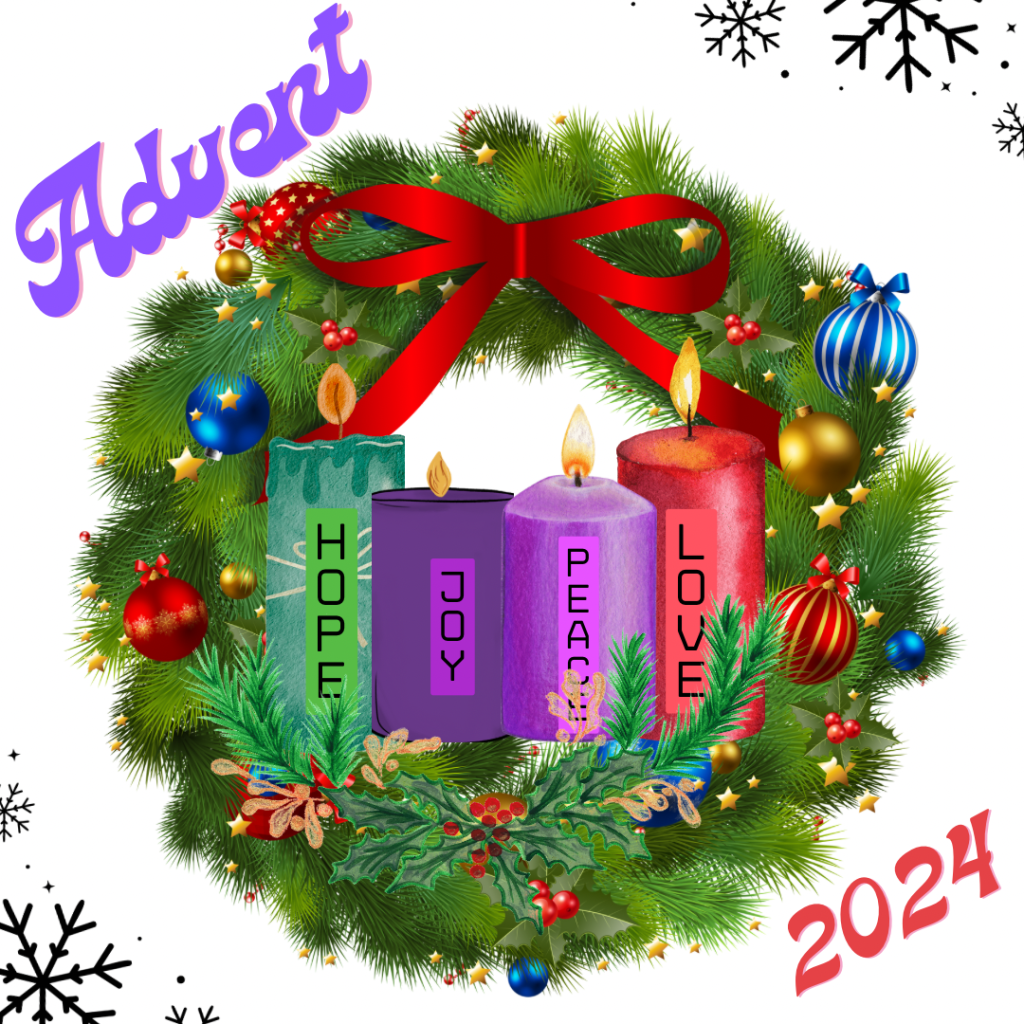
As December ushers in the festive season, it’s easy to become overwhelmed by the glittering lights, endless shopping lists, and the anticipation of holiday celebrations. However, for Christians around the world, this time holds a deeper significance—it is the season of Advent.
What Is Advent?
Advent is a four-week period leading up to Christmas, beginning on the fourth Sunday before December 25th. The word “Advent” comes from the Latin adventus, meaning “coming” or “arrival.” It is a time of spiritual preparation for the celebration of Jesus Christ’s birth and a reminder of His promised return.
The season is marked by themes of hope, love, joy, and peace, which are often symbolized by the lighting of candles on an Advent wreath. Each week, a candle is lit to reflect on these virtues, helping believers center their hearts and minds on Christ, the true reason for the season.
Why Advent Matters
Advent invites us to pause, reflect, and prepare. It’s not just about remembering the historical event of Christ’s birth in Bethlehem but also about preparing our hearts for His presence in our daily lives and His eventual return. It’s a time to:
1. Rediscover Hope: In a world full of challenges, Advent reminds us of the hope found in Christ.
2. Renew Faith: It encourages us to deepen our relationship with God through prayer, scripture, and acts of love.
3. Extend Love and Charity: The season calls us to share Christ’s love with others, especially those in need.
4. Practice Patience and Reflection: Advent teaches us the value of waiting with faith and anticipation, much like the Israelites awaited their Messiah.
Stay Focused Amid the Frenzy
December has become synonymous with commercialism—shopping, sales, and a flurry of social events. While gift-giving and festive cheer are wonderful traditions, they can sometimes overshadow the true meaning of the season. You can keep Christ at the center in various ways, such as:
Prioritizing Worship: Attend Advent services or carve out time for personal prayer and scripture reading.
Practicing Gratitude: Focus on what you have rather than what you need to buy.
Giving Thoughtfully: Let your gifts reflect love and intention, rather than being driven by obligation.
Simplifying Celebrations: Emphasize meaningful traditions over extravagant plans.
Serving Others: Participate in acts of charity, such as volunteering or donating to those in need, as a reflection of Christ’s love.
A Call to Prepare
The true essence of Advent is preparation—not just preparing our homes for holiday guests but preparing our hearts for the arrival of Christ. This season challenges us to pause amid the chaos, reflect on His love, and look forward with hope to His coming.
As you journey through Advent, let it be a time of joy and peace, anchored in the assurance that Christ is with us—Emmanuel. Let us not lose sight of this beautiful truth in the hustle and bustle of December.
May this Advent season fill your hearts with renewed faith and hope, reminding us all of the profound gift of Jesus, the ultimate reason for the season.
The Advent Candles: A Symbol of Hope, Love, Joy, and Peace
Each week leading up to Christmas, a candle is lit to signify one of the central themes of the season: hope, love, joy, and peace.
The Advent wreath, with its four candles, is a cherished tradition that visually represents the spiritual journey of Advent. Each week leading up to Christmas, a candle is lit to signify one of the central themes of the season: hope, love, joy, and peace. Let’s dive deeper into the details of these candles, their significance, and the variety in how they are displayed.
Weekly Candle Themes and Their Symbolism
Week 1: The Candle of Hope:
Represents the hope found in God’s promises, particularly the promise of the Messiah. It encourages believers to trust in God’s faithfulness during times of waiting and uncertainty.
Reflect on lIsaiah 9:2 which reminds us of the hope that
“The people walking in darkness have seen a great light.”
Week 2: The Candle of Love
Reflects the love of God, demonstrated through the gift of Jesus. It invites believers to embody this love in their relationships and actions.
We all are too familiar with John 3:16 emphasizes,
“For God so loved the world that He gave His one and only Son.”
Week 3: The Candle of Joy (Gaudete Sunday)
Signifies joy, celebrating the nearness of Christ’s arrival. It reminds us that, even in hardship, joy can be found in the promises of God.
Scripture Luke 2:10, where the angel proclaims:
“I bring you good news that will cause great joy for all the people.”
Week 4: The Candle of Peace
Represents the peace that Christ brings; peace with God, peace within ourselves, and peace in the world.
Isaiah 9:6 declares Christ as the “Prince of Peace,” whose kingdom will be characterized by justice and tranquility.
A Tradition Full of Meaning, but not Celebrated by all Christians
Advent is celebrated by many Christians, but it is not universally observed across all denominations. Its practice and emphasis vary significantly depending on tradition and theological background. Here’s a breakdown of how Advent is celebrated among different groups of Christians:
Christians Who Commonly Celebrate Advent include:
1. Roman Catholics
Advent is a central part of the Catholic liturgical calendar. It marks the beginning of the Church year, focusing on spiritual preparation for Christmas through prayer, reflection, and sometimes fasting.
2. Anglicans/Episcopalians:
Advent is deeply rooted in Anglican tradition and is observed with readings, hymns, and the lighting of the Advent wreath. The season often includes themes of penitence, hope, and anticipation.
3. Lutherans:
Lutherans place a strong emphasis on Advent as a season of preparation and repentance. The use of the Advent wreath and special services, including midweek worship, are common practices.
4. Eastern Orthodox Christians:
The Orthodox Church does not use the term Advent but observes a similar period called the Nativity Fast (or the Christmas Fast). This 40-day fast begins on November 15 and emphasizes spiritual preparation, fasting, and prayer.
5. Methodists:
Many Methodist churches observe Advent with special readings, sermons, and the lighting of the Advent candles. Themes of hope, peace, joy, and love are central to their celebrations.
6. Presbyterians/Reformed Churches:
Presbyterians often observe Advent with the lighting of the Advent wreath, themed sermons, and devotional activities focused on Christ’s coming.
Christians Who May Not Observe Advent
1. Evangelicals and Non-Denominational Christians:
Many Evangelicals do not traditionally observe Advent as part of their church calendar. However, some have adopted Advent practices in recent years, such as devotional readings and wreath-lighting ceremonies, to enhance the Christmas season.
The focus in these traditions is often more on Christmas itself rather than a structured season of preparation.
2. Pentecostals and Charismatics:
Advent is less commonly observed in Pentecostal and Charismatic churches, which prioritize spontaneous worship and may not follow a liturgical calendar. However, the themes of Advent; hope, joy, and preparation for Christ, are often preached informally during the Christmas season.
3. Baptists:
Some Baptist churches observe Advent, but it is not a universal practice. For those who do, it often includes simplified versions of traditional Advent practices, like the wreath and devotional readings.
4. Seventh-day Adventists:
While they share a focus on the second coming of Christ (a theme of Advent), most Seventh-day Adventists do not formally celebrate the Advent season as other denominations do.
Conclusion
While Advent is not celebrated by all Christians, its themes of hope, preparation, and joy resonate universally. For those who observe it, Advent serves as a powerful reminder to pause, reflect, and focus on the significance of Christ’s coming—not just as a historical event but as a spiritual reality in their lives today.
As a non-denominational Christian, I no longer celebrate Advent. But I do miss it having once being a Catholic.
Do you (or your church) celebrate Advent?


Hey CattleCapers,
Merry Christmas. Thanks for reading and commenting. I appreciate it.
Not every Christian celebrates Advent. I used to when I was a Catholic. But don’t anymore as a non-denominational Christian. The event is a good one to know and embrace though.
Have a good one and do come back.
LikeLike
Enjoying Advent to get my mind focused on the spiritual aspect of the season. When I attended non traditional churches, we never celebrated Advent.
LikeLike