
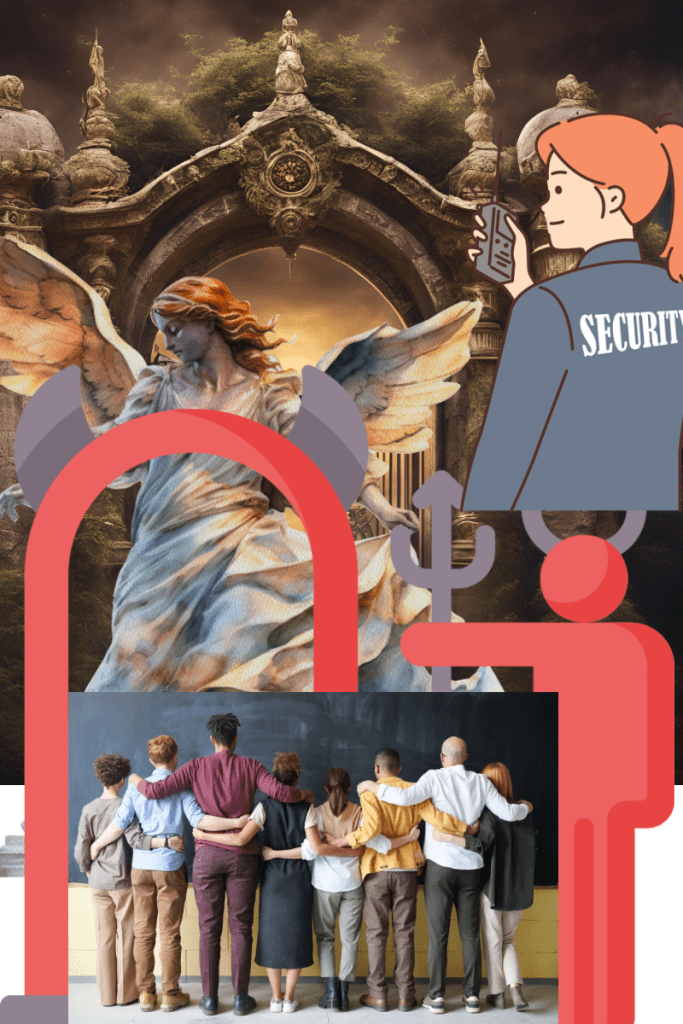
Gatekeepers hold a unique and critical role in both the physical and spiritual realms. At their core, they are protectors, regulators, and stewards of access, responsible for safeguarding valuable assets, maintaining order, and ensuring only what is permitted or worthy gains entry. Let’s delve into what it means to be a gatekeeper, why the role is vital, and how its principles apply to both physical and spiritual dimensions.
What It Means to Be a Gatekeeper
A gatekeeper is someone tasked with controlling access to a particular area, resource, or information. This can range from a physical position, such as a security guard at the gates of a house, city, to a figurative role, like an editor who determines which stories are published.
At its essence, being a gatekeeper is about discernment, vigilance, and responsibility. Gatekeepers are often the first line of defense, preventing harm while allowing growth, opportunity, and connection.
The Importance of Gatekeepers
Gatekeepers are essential because they:
1. Maintain Security: By controlling who or what enters a space, they protect against harm, theft, or disruption.
2. Preserve Integrity: Gatekeepers ensure that only what aligns with the rules, values, or standards is admitted.
3. Uphold Order: Without gatekeepers, chaos can ensue. Their role helps maintain structure and accountability.
4. Facilitate Growth: By filtering access, gatekeepers allow the right people or opportunities to flourish.
Physical Gatekeepers: Examples and Roles
1. City Guards and Watchmen
In ancient times, watchmen stationed at city walls or gates were responsible for protecting the inhabitants from external threats. They kept watch for invaders or other dangers and sounded the alarm when necessary.
Example is the watchmen in Jerusalem during Nehemiah’s time who stood guard to protect the city as its walls were being rebuilt (Nehemiah 4:9).
2. Modern Security Personnel
Today, gatekeepers include security guards, receptionists, secretaries, and even bouncers who monitor access to buildings, events, or communities.
3. Institutional Gatekeepers
In organizations, gatekeepers might include hiring managers, human resources personnel ;especially the recruiters), secretaries, receptionists, editors, or administrators who control access to jobs, information, or resources.
Spiritual Gatekeepers: Guardians of Faith and Purity
In the spiritual realm, gatekeepers hold the responsibility of safeguarding the sanctity of spiritual spaces, values, and practices. Their role extends beyond the physical into the unseen, requiring discernment and spiritual alertness.
1. Church Leaders
Pastors, elders, and deacons act as spiritual gatekeepers, protecting their congregations from false teachings and guiding believers toward truth.
An example is Apostle Paul who acted as a gatekeeper by warning the early church about wolves in sheep’s clothing (Acts 20:29-31).
2. Intercessors and Prayer Warriors
In prayer, gatekeepers stand in the gap for others, blocking spiritual attacks and inviting God’s presence and blessings. Such example is found in Ezekiel 22:30 which highlights the importance of intercessors when God says,
“I looked for someone among them who would build up the wall and stand before me in the gap on behalf of the land…”
3. Personal Gatekeeping:
Every believer is a gatekeeper of their own heart and mind. Proverbs 4:23 advises,
“Above all else, guard your heart, for everything you do flows from it.”
Parallels Between Physical and Spiritual Gatekeeping
1. Vigilance
Both physical and spiritual gatekeepers are vigilantes. They must remain alert to potential threats. A distracted security guard can let an intruder slip in, just as a spiritually complacent person can allow harmful influences into their life.
2. Discernment
Just as a bouncer discerns who enters a club, a spiritual gatekeeper discerns between truth and deception, ensuring only what aligns with God’s Word gains influence.
3. Accountability
Gatekeepers are accountable for the consequences of their actions. Whether protecting a property or a spiritual space, their decisions have lasting impacts.
Practical Lessons for Modern Gatekeepers
Be Watchful:
Whether guarding physical property or your spiritual life, vigilance is key. Identify threats early and take action.
Know the Standards:
A gatekeeper must understand the values and rules they are protecting. In the spiritual realm, this means knowing God’s Word and seeking His wisdom.
Maintain Integrity:
Gatekeeping requires impartiality and commitment. Compromise can lead to breaches that harm others.
Stand Firm:
Gatekeeping often involves making tough decisions, whether it’s saying no to a dangerous person or rejecting unbiblical teachings.
Pre-Final Thoughts
Gatekeepers, however, could keep out those who are supposed to be let in, and grant entry to those they are supposed to deny thus abusing the power and authority of their positions. Haman in the Bible is a good example.
As individuals, we are all called to be gatekeepers in some capacity. Whether protecting our families, communities, or spiritual lives, the principles of vigilance, discernment, and integrity remain universal. Embrace the call to stand guard and fulfill your role with faithfulness and wisdom.
Are you a sort of gatekeeper? If so, what challenges do you face in your role as a gatekeeper in various aspects of life?
[to be continued]
 Think-Talk
Wow – I am one, too. What a powerful way you’ve framed it: “earnest, honestly, reinforce, protect, or even, change.” All, so true. Being an intercessor is like a two-edged sword. As much as I love being one, it can be hard and demanding. But His grace is always sufficient. Could be a post for another day.
I appreciate you taking the time to both read and comment.
Happy New Year 2025.
LikeLike
I like your presentation on gatekeeping and gatekeepers. I’m especially drawn to the intercessors, because I think I serve as one of these and maybe many people could. Not because it’s hard but because it’s earnest. We pray honestly, or can learn to do so, for what we care about. To reinforce or protect or even (with care and caution) change. Thanks!
LikeLike