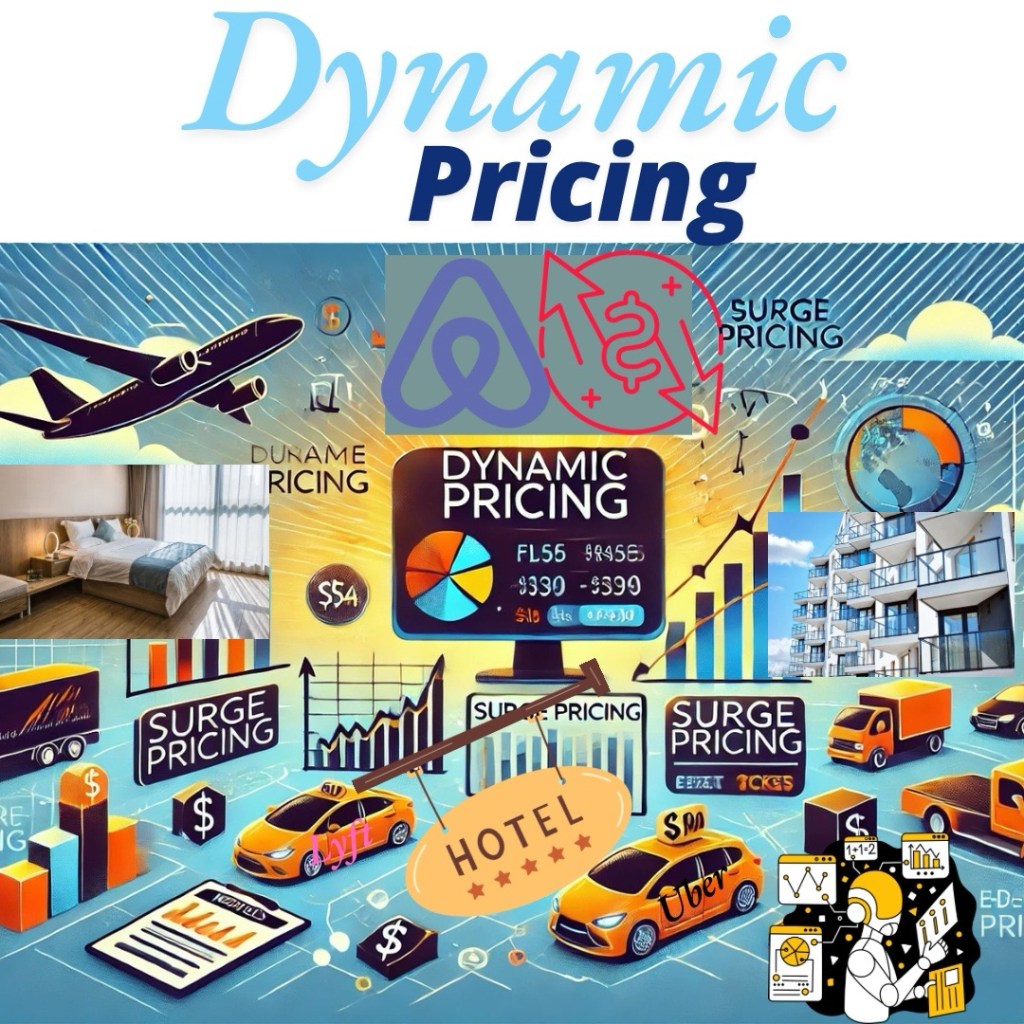
Dynamic pricing, often referred to as real-time or surge pricing, is a pricing strategy where the cost of a product or service fluctuates based on market demand, competitor prices, time of day, or other variables. This pricing model is powered by algorithms and data analytics, making it a key strategy in many modern industries. While it can be advantageous for businesses and customers alike, it also raises certain challenges and controversies.
What is Dynamic Pricing?
Dynamic pricing adjusts the cost of goods or services in response to supply and demand. Unlike fixed pricing, where prices remain constant, dynamic pricing is fluid and can change within minutes or hours. The concept relies heavily on data, including:
• Customer buying behavior
• Competitor pricing
• Time-specific trends (e.g., holidays or peak hours)
• Inventory levels
For example, during high-demand periods, such as holidays, hotel rates and flight prices often increase. Conversely, businesses might reduce prices during off-peak periods to attract customers.
Industries That Use Dynamic Pricing
1. E-commerce
E-commerce platforms like Amazon use dynamic pricing to stay competitive. Algorithms monitor competitors’ prices and adjust product costs accordingly, ensuring their offers remain attractive to shoppers.
2. Travel and Hospitality
Airlines and hotels are classic examples of industries that thrive on dynamic pricing. Airline ticket prices can fluctuate based on seat availability, booking timelines, and travel demand. Similarly, hotels adjust room rates based on occupancy rates and local events.
3. Retail
Brick-and-mortar stores, especially supermarkets, have started adopting dynamic pricing by using digital price tags. These allow retailers to alter prices based on demand, shelf-life, or competitor activity.
4. Sports and Entertainment
Ticket sales for concerts, sports events, and theater shows often use dynamic pricing. Popular events with high demand see price surges, while less popular shows may experience discounts.
5. Energy and Utilities
Electricity providers use time-of-use pricing, charging higher rates during peak hours to encourage off-peak usage and manage grid demand efficiently.
6. Transportation
Ride-sharing companies like Uber and Lyft employ surge pricing during high-demand times, such as rush hours or bad weather, ensuring that supply meets demand.
The Pros of Dynamic Pricing
- Maximizes Revenue for Businesses
By capitalizing on peak demand, businesses can increase their profits, ensuring they aren’t leaving money on the table when demand is high. - Encourages Efficiency
For industries like energy and transportation, dynamic pricing incentivizes consumers to adjust their behavior, such as using services during off-peak times, leading to more efficient resource utilization. - Helps Manage Inventory
Retailers can clear out surplus stock by lowering prices during low-demand periods, reducing waste and storage costs. - Promotes Competitive Pricing
In highly competitive markets, dynamic pricing ensures businesses stay relevant by matching or undercutting competitors’ prices in real time. - Attracts Budget-Conscious Shoppers
Off-peak discounts can draw price-sensitive customers who otherwise might avoid high-priced products or services.
The Cons of Dynamic Pricing
- Perceived Unfairness
Customers often perceive dynamic pricing as exploitative, especially during surge pricing periods like natural disasters or emergencies. This can harm brand reputation. - Customer Frustration
Frequent price changes can frustrate customers, especially if they feel penalized for purchasing at the “wrong” time. - Challenges for Budgeting
Unpredictable price fluctuations make it difficult for customers to plan their expenses. - Complex Implementation
Dynamic pricing requires sophisticated algorithms, real-time data analysis, and constant monitoring, which can be costly for smaller businesses. - Regulatory Concerns
In some cases, dynamic pricing strategies have led to accusations of price gouging, prompting legal and regulatory scrutiny.
Examples of Dynamic Pricing in Action: Do You Know That
- Amazon adjusts prices for its products every 10 minutes on average to reflect demand, competition, and inventory levels. This strategy keeps it ahead of competitors while appealing to both budget and premium customers.
- Uber and Lyft’s algorithms increase ride fares during peak hours, such as during bad weather or major events. While this allegedly incentivizes more drivers to hit the road, it often sparks consumer backlash.
- Airlines dynamically price tickets based on factors such as booking time, travel season, and seat availability. A last-minute booking, for instance, can cost significantly more than one made months in advance. I once experienced this when I had to make an important trip to Dallas, TX within a week. The fare was almost four times what I had ever paid in all my trips to the State with advance reservations.
- Some utility companies charge higher rates for electricity during peak hours (e.g., evenings) to manage grid demand, offering discounts during off-peak hours.
Balancing Dynamic Pricing: Best Practices
For businesses looking to implement dynamic pricing, it’s crucial to strike a balance between profitability and customer trust. Here are some best practices:
• Transparency: Clearly communicate why prices fluctuate to avoid alienating customers.
• Fairness: Avoid excessive price surges, especially during emergencies or crises.
• Customer Segmentation: Use customer data to tailor pricing strategies, offering loyal customers special discounts or rewards.
• Testing: Experiment with pricing models to understand customer behavior and find the optimal pricing strategy.
Other Industries Using Dynamic Pricing
Dynamic pricing is also prevalent in the short-term vacation rentals like Airbnb and the real estate rental market. Here’s how dynamic pricing applies to these industries:
Dynamic Pricing in Airbnb and Vacation Rentals
Dynamic pricing is a cornerstone of platforms like Airbnb, Vrbo, and similar services. Property owners often use tools to adjust nightly rates based on various factors:
How it Works
1. Seasonality: Prices are higher during peak travel seasons (e.g., summer or holiday seasons) and lower in off-peak months.
2. Local Events: Major events, such as sports games, festivals, or conferences, can lead to significant price hikes.
3. Lead Time: Last-minute bookings may be discounted to fill empty nights, while early bookings often secure higher rates.
4. Competition: Hosts monitor other listings in the area to adjust their pricing, ensuring their property remains competitive.
5. Amenities and Reviews: High-quality amenities and positive reviews often justify higher rates.
For Guests
Pros:
- Flexibility: Budget-conscious travelers can book during off-peak times for lower prices.
• Options: A variety of price points often emerge, allowing guests to compare and find deals.
Cons:
- Surge Pricing During Peak Times: Travelers booking during high-demand periods (e.g., holidays or big events) can face steep prices.
• Unpredictability: Prices can change rapidly, making it difficult to finalize a trip on a budget.
For Hosts
Dynamic pricing can significantly boost revenue by helping hosts capitalize on high-demand periods while filling vacancies during slower times. Airbnb even offers “Smart Pricing,” an optional tool that automatically adjusts rates based on market demand.
Ethical and Practical Considerations
Dynamic pricing in vacation rentals raises ethical questions, especially around affordability and accessibility. For example, travelers often feel that fluctuating prices lack clarity, leading to dissatisfaction.
In summary, dynamic pricing has revolutionized how vacation properties are marketed and managed. While it benefits property owners by maximizing revenue, it can be a double-edged sword for travelers, who face unpredictable price changes. Understanding the patterns of dynamic pricing can help customers plan strategically to secure better deals in both markets.
Conclusion
Dynamic pricing is a powerful tool for businesses, offering flexibility and the potential for higher revenues. However, its success depends on careful implementation that balances consumer trust with profitability. As technology advances, dynamic pricing is likely to become even more prevalent, reshaping industries and how consumers interact with pricing in real-time. For businesses, adopting this model strategically and ethically can lead to long-term success in a competitive marketplace.
[ Continues next week as we explore how Dynamic Pricing affects apartment rentals. Stay tuned. ]
 Think-Talk
Pingback: Part 2: Dynamic Pricing and Apartment Rentals - Think-Talk