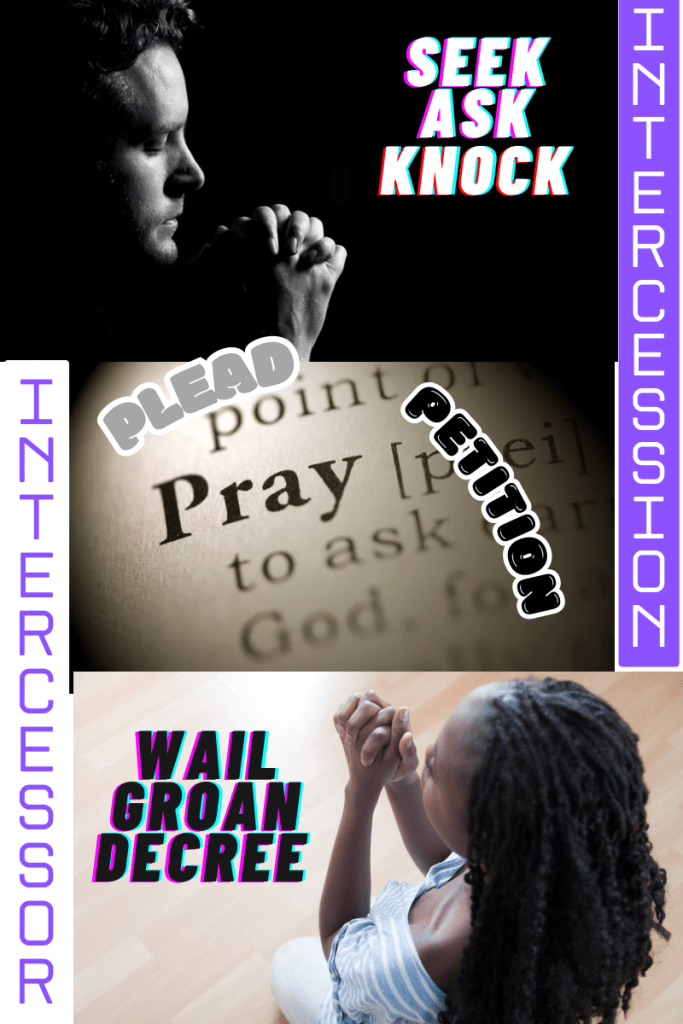
Intercession is a sacred practice in which one person stands in the gap before God on behalf of others. Intercessors are those who carry this calling, dedicating their time, energy, and prayers to advocate for individuals, communities, or nations. This article delves into the role of intercession, the privileges and challenges of being an intercessor, and practical ways to navigate this calling, with supporting scriptures for guidance and encouragement.
What is Intercession?
Intercession is the act of mediating, praying, or pleading on behalf of others. It is a form of prayer that goes beyond personal needs, focusing on the needs, struggles, and situations of others.
In the Bible, Jesus Christ is the ultimate intercessor, constantly interceding for believers before God:
“Therefore He is also able to save to the uttermost those who come to God through Him, since He always lives to make intercession for them.” (Hebrews 7:25)
Who are Intercessors?
Intercessors work hand in hand with God to influence situations and outcomes.
Intercessors are individuals called to pray persistently for others. Their role involves spiritual sensitivity, compassion, and a deep commitment to God. They often feel a burden to pray for specific people, communities, or global issues. Intercessors are not necessarily pastors or leaders. They can be anyone with a heart attuned to God’s will.
How to Navigate Being an Intercessor
1. Stay Rooted in the Word
Scripture is the foundation of effective intercession. Pray with the promises and principles found in the Bible. For instance, use 2 Chronicles 7:14 as a guide for national repentance and healing.
“if my people, which are called by my name, shall humble themselves, and pray, and seek my face, and turn from their wicked ways; then will I hear from heaven, and will forgive their sin, and will heal their land.”
2 Chronicles 7:14
2. Maintain a Close Relationship with God
Regular prayer, worship, and meditation strengthen the intercessor’s connection with God.
3. Develop Spiritual Disciplines
Fasting, journaling prayers, and setting aside dedicated time for intercession can enhance focus and effectiveness.
4. Seek Support from Fellow Believers
Join prayer groups or find a spiritual mentor to share the journey and lighten the burden.
5. Guard Against Burnout
Rest is essential. Even Jesus took time to retreat and pray alone (Mark 1:35).
“And in the morning, rising up a great while before day, he went out, and departed into a solitary place, and there prayed.”
Mark 1:35
Balance your time in prayer with self-care and recreation.
6. Rely on the Holy Spirit
The Holy Spirit empowers intercessors, guiding their prayers and strengthening them.
“Likewise the Spirit also helps in our weaknesses. For we do not know what we should pray for as we ought, but the Spirit Himself makes intercession for us with groanings which cannot be uttered.”
Romans 8:26
Biblical Examples of Intercessors
Numerous intercessors in the Bible demonstrate the power of standing in the gap:
- Abraham: Pleaded for Sodom’s salvation (Genesis 18:22-33).
- Moses: Interceded for rebellious Israel (Exodus 32:11-14).
- Daniel: Prayed for Israel’s restoration (Daniel 9:1-19).
- Nehemiah: Sought God’s help to rebuild Jerusalem (Nehemiah 1:4-11).
- Samuel: Prayed for Israel’s deliverance (1 Samuel 7:5-9).
- Esther: Risked her life to intercede for her people (Esther 4:15-17).
- Paul: Regularly interceded for churches (Ephesians 1:16-19, Philippians 1:3-4).
- Jesus Christ: His intercessory prayer for His disciples and all believers is a model of selfless prayer (John 17).
Privileges, Challenges, and the Call to Stand in the Gap
Intercession is a powerful form of prayer in which individuals stand in the gap before God on behalf of others. Intercessors play a vital role in God’s kingdom, but their calling comes with both privileges and challenges. Below, each privilege and challenge is explained in detail to help you fully understand this sacred role.
Privileges of Being an Intercessor
1. Partnership with God
Intercessors work hand in hand with God to influence situations and outcomes. For example, Moses pleaded with God to spare Israel after their rebellion, and God listened (Numbers 14:13-20). This privilege gives intercessors a front-row seat to witness divine intervention. It also affirms that their prayers matter in shaping circumstances, whether it’s healing a loved one, resolving a crisis, or changing the spiritual atmosphere of a nation.
2. Spiritual Growth
The role of an intercessor brings deep spiritual growth. Intercessors spend significant time in prayer, worship, and reflection, which strengthens their relationship with God. Praying selflessly for others builds character traits like compassion, humility, and perseverance. This spiritual intimacy leads to a profound understanding of God’s will and His heart for humanity (James 5:16).
3. Being a Blessing to Others
Intercessors stand as advocates for people in need, including those who may not even realize they need prayer. Their prayers lead to tangible changes in lives—whether it’s breakthrough in someone’s struggles, healing, or spiritual awakening. For example, Samuel’s intercession led to Israel’s deliverance from their enemies (1 Samuel 7:5-9). This privilege allows intercessors to directly contribute to God’s work in the lives of others.
4. Eternal Impact
Intercessors contribute to God’s eternal purposes. Their prayers sow seeds that bear fruit in both the present and eternity. For instance, Paul’s intercessory prayers for the early churches continue to inspire and strengthen Christians today (Ephesians 1:16-19). This lasting impact reminds intercessors that their labor in prayer is never in vain.
Challenges of Being an Intercessor
1. Emotional and Spiritual Burden
Intercessors often feel the weight of the struggles and pain of those they pray for. This can lead to spiritual exhaustion or emotional heaviness, especially when the needs are overwhelming or answers to prayer seem delayed. Galatians 6:2 encourages believers to “bear one another’s burdens,” but intercessors must also learn to cast those burdens on God (1 Peter 5:7) to avoid being overwhelmed.
2. Loneliness
The calling to intercede often requires solitude. Intercessors may spend hours in prayer or fasting, which can separate them from others who may not fully understand the intensity of their calling. Even Jesus experienced this, as He often withdrew to pray alone (Mark 1:35). However, this loneliness can be an opportunity for deeper fellowship with God.
3. Spiritual Opposition
Because intercessors disrupt the enemy’s plans through prayer, they often face spiritual attacks, such as distractions, discouragement, or unexpected challenges. Ephesians 6:12 reminds us that the battle is not against flesh and blood but against spiritual forces. Intercessors must remain vigilant, clothed in the armor of God (Ephesians 6:13-18), to withstand these attacks.
4. Misunderstanding from Others
Not everyone understands the intercessory calling. People may dismiss or undervalue the role, leading to feelings of isolation or being unappreciated. For instance, someone praying fervently in private may be seen as overly spiritual or unnecessary by those who don’t see immediate results. Intercessors must find their affirmation in God rather than seeking validation from others.
Conclusion
Intercessions and intercessors play a vital role in God’s kingdom. Their prayers have the power to change lives, shift nations, and align circumstances with God’s will. While the journey comes with challenges, the privileges far outweigh them, offering intercessors a unique partnership with the Creator.
Through steadfast prayer, reliance on the Holy Spirit, and spiritual disciplines, intercessors can navigate their calling with confidence and joy, standing in the gap for others as Christ continually stands in the gap for us.
 Think-Talk