It seems so elementary that we all ought to know better. Yet it occurs daily; sometime, unnecessary and unwarranted. Yet, in a world fraught with injustice, cruelty, and pain, it’s hard to ignore the wickedness often perpetrated by one human being against another. Whether it’s deceit, betrayal, violence, or oppression, wickedness comes in many forms. To those who commit such acts, it may appear as though they are prospering, escaping justice, or mocking morality itself. But this illusion of triumph is fleeting, and the truth remains: wickedness is not worth doing. Its end is destruction, both temporal and eternal.
The Motive Behind Wickedness
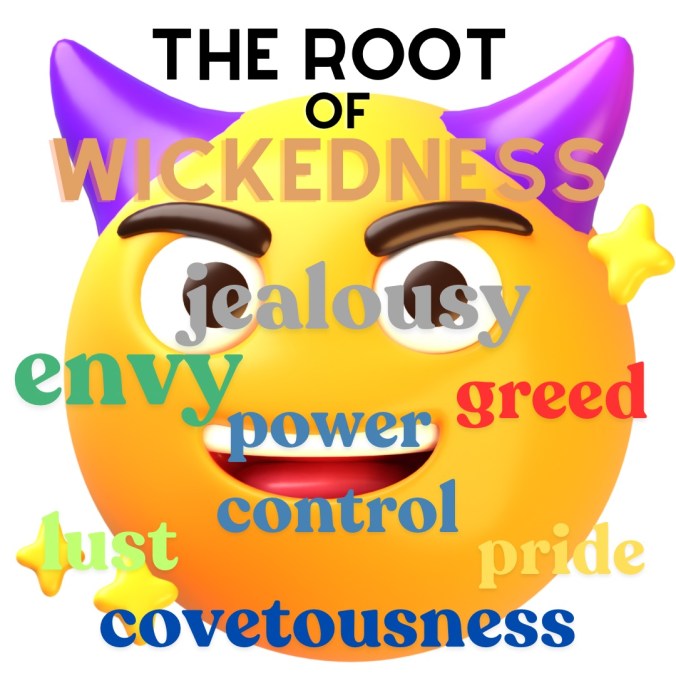
Wickedness often stems from pride, greed, envy, or a desire for power and control. These desires blind individuals to the humanity of others and the moral weight of their actions. The Bible tells us, “The heart is deceitful above all things, and desperately wicked; who can know it?” (Jeremiah 17:9). Many who act wickedly do so believing they are immune to consequences or that their actions are justified by circumstances. Some may even think their actions are hidden, but nothing escapes God’s watchful eye.
The Illusion of “Getting Away With It”
It often seems like the wicked prosper. They enjoy wealth gained through dishonest means, rise to power through corruption, or live comfortably while their victims suffer. However, their success is short-lived. The psalmist Asaph wrestled with this dilemma in Psalm 73, saying, “I was envious of the arrogant when I saw the prosperity of the wicked” (Psalm 73:3). Yet, he later realized their true end: “Surely you place them on slippery ground; you cast them down to ruin” (Psalm 73:18).
God’s patience is not approval. Instead, it’s an opportunity for repentance.
Wickedness may appear profitable in the moment, but it carries consequences—often unexpected and inevitable. The Bible affirms, “Do not be deceived: God cannot be mocked. A man reaps what he sows” (Galatians 6:7). Those who sow wickedness will eventually reap judgment, even if they have long forgotten the harm they caused.
The Judgment of the Wicked
When judgment comes, it often catches the wicked unprepared. They’ve spent so much time rationalizing their actions or ignoring the consequences that they forget their accountability. The Bible declares, “For God will bring every deed into judgment, including every hidden thing, whether it is good or evil” (Ecclesiastes 12:14).
Many think they are mocking God by escaping earthly consequences, but they fail to realize that God’s patience is not approval. Instead, it’s an opportunity for repentance. As Peter writes, “The Lord is not slow in keeping his promise, as some understand slowness. Instead he is patient with you, not wanting anyone to perish, but everyone to come to repentance” (2 Peter 3:9). God’s delay is an act of mercy, giving people time to turn from their wicked ways before the final judgment.
The True Cost of Wickedness
Engaging in wickedness not only harms others but also destroys the perpetrator. It hardens the heart, sears the conscience, and alienates the soul from God. The Bible warns, “There is a way that appears to be right, but in the end it leads to death” (Proverbs 14:12). Even if a wicked person escapes earthly justice, they cannot escape divine judgment.
Moreover, wickedness is never as fulfilling as it seems. It leads to emptiness, guilt, and regret. Those who pursue evil often find themselves enslaved by it, trapped in cycles of deception, fear, or greed. Jesus said, “Everyone who sins is a slave to sin” (John 8:34). True freedom comes not from exploiting others but from walking in righteousness and love.
The Alternative to Wickedness
For those tempted by wickedness, there is a better way. The Bible calls us to “hate what is evil; cling to what is good” (Romans 12:9). Instead of seeking personal gain at others’ expense, we are called to love, serve, and uplift one another.
Jesus set the ultimate example of selflessness and love, teaching us to “do to others as you would have them do to you” (Luke 6:31). While wickedness leads to destruction, righteousness leads to peace, joy, and eternal life.
For those who have committed wicked acts, there is hope. God’s forgiveness is available to all who repent and turn to Him. “Let the wicked forsake their ways and the unrighteous their thoughts. Let them turn to the Lord, and he will have mercy on them” (Isaiah 55:7).
Conclusion
Wickedness is never worth doing. It may promise short-term gain, but it leads to long-term loss—both for the perpetrator and the victim. God’s justice cannot be mocked, and every act of wickedness will be judged. Instead of walking the path of destruction, choose the path of righteousness. Seek to love, serve, and honor God and others, for in this lies true fulfillment and eternal reward.
Let us remember the sobering words of Jesus: “What good is it for someone to gain the whole world, yet forfeit their soul?” (Mark 8:36). Nothing is worth the cost of your soul. Reject wickedness and embrace the life God calls you to—a life of goodness, mercy, and love.
 Think-Talk