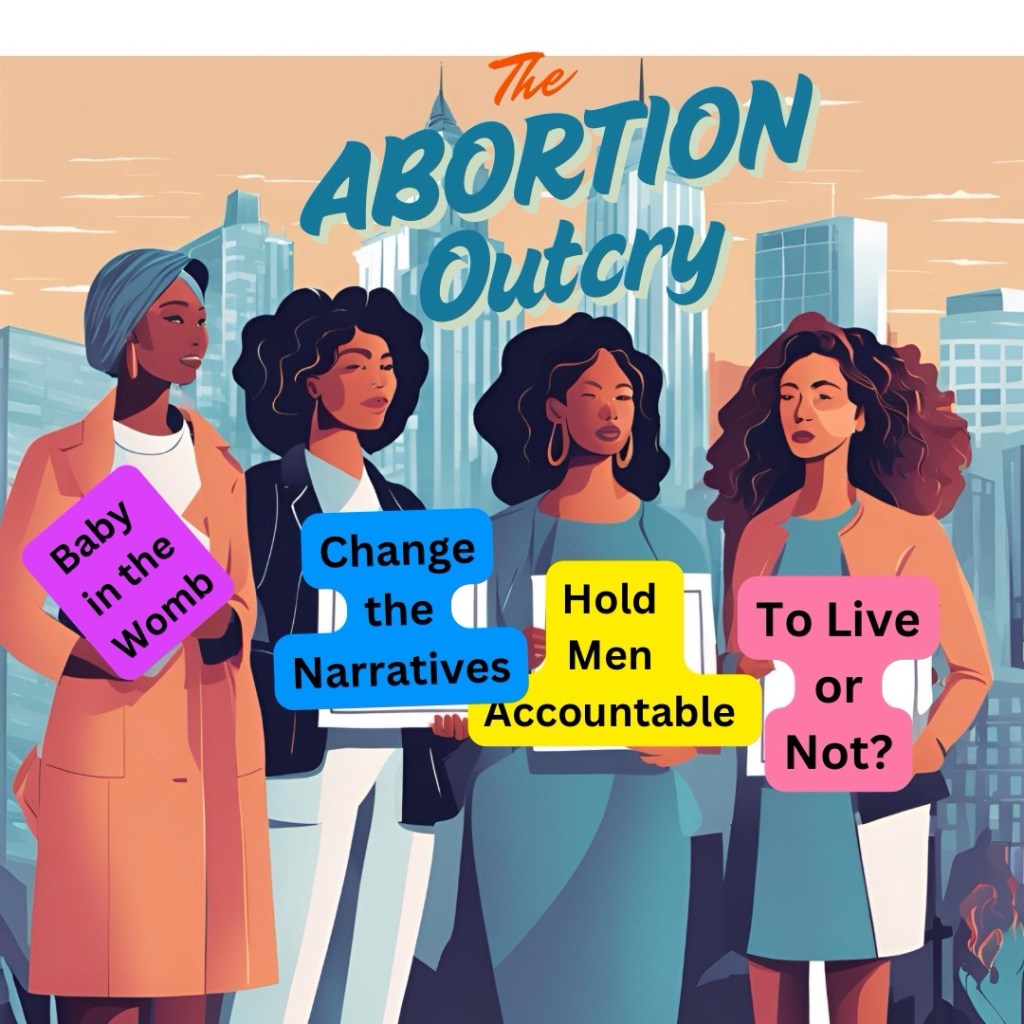
Abortion is one of the most polarizing topics in our society today, often debated from moral, ethical, and spiritual perspectives. However, much of the conversation tends to focus on the consequences—whether to permit or prohibit abortion—while neglecting the root causes that lead to these situations.
At the center of the Abortion debate is the role of men/fathers. In my opinion, this is the core point. There’s no rape, molestation, nor incest without the men/fathers. And there will be no cause for the outcry, outrage and reactions for, nor against, abortion. Which means that we’re all reacting against the outcome rather than being proactive in dealing with the root causes.
Men are at the Root of it all
Men/Fathers are at the root of all this. Which turns the table over. How can we make men/fathers the focus of these narratives in order to prevent unwarranted and unwanted sex, pregnancy, and abortion? It is not solely a woman’s issue or choice as the outcries tend to be.
Let’s not only talk about the role of men in the controversial issue of Abortion. But, in talking, let’s reason together and take a proactive, rather than reactive, approach to the issue. Let’s shift the focus from merely addressing the consequences of unwanted pregnancies and the abortion debates to tackling the root cause: the role of men and fathers in preventing situations that lead to this polarizing issue.
This blog post is not about arguing when a fetus becomes a baby. But seeks to provide a comprehensive Biblical perspective on abortion, addresses its pros and cons, and emphasizes the critical need for male accountability and proactive prevention.
A Biblical Perspective on Life
While the Bible does not explicitly mention abortion, its teachings on life, the sanctity of human beings, and moral responsibility provide profound insights into the issue.
The Bible offers clear teachings about the sanctity of life, often framing it as a gift from God. These scriptures provide a foundation for how we view abortion:
1. Life Begins in the Womb:
“Before I formed you in the womb I knew you, before you were born I set you apart” (Jeremiah 1:5).
The above verse highlights that life begins before birth, with God intimately involved in the creation of every individual.
2. Humanity Is Made in God’s Image: Genesis 1:27 emphasizes that we are created in the image of God. This gives life inherent value and dignity.
3. God Knows Each Person’s Journey: Psalm 139:13-16 celebrates the intricate care with which God knits each person in their mother’s womb, demonstrating His involvement in the process of life.
4. The Commandment Against Killing:
“You shall not murder” (Exodus 20:13)
serves as a reminder that life is sacred and should be protected.
5. God’s Sovereignty Over Life: Job 1:21 declares,
“The Lord gave, and the Lord has taken away; blessed be the name of the Lord.”
This underscores the belief that life and death are ultimately in God’s hands.
Examining the Pros and Cons of Abortion
While scripture establishes the sanctity of life, it is also essential to consider the practical realities that shape the debate.
Pros of Abortion
As a lover of God, I have nothing in favor of abortion. The Pros here are from the perspectives of the advocates of abortion.
1. Protecting Maternal Health: Abortion can be necessary when a pregnancy poses a serious risk to the mother’s health or life.
2. Trauma Mitigation in Cases of Rape, Molestation, or Incest: Carrying a pregnancy conceived through violence can add to the psychological and emotional toll of the victim.
3. Economic and Social Factors: Some argue that abortion allows women to avoid bringing a child into circumstances of extreme poverty or instability.
4. Preventing the Birth of Children With Severe Medical Conditions: Some parents choose abortion when a fetus has been diagnosed with a condition that may lead to pain or suffering after birth.
5. Family Planning: In cases where contraception fails, abortion is sometimes viewed as a means of family planning.
Again, my little knowledge of God finds the above unjustifiable reasons to advocate for abortion. These excuses only put the advocates as trying to play God. I strongly believe that every life is precious even while in the womb. Only God has the power of life and death. He can take away the life birth by rape, incest, or molestation, and even infidelity, if it doesn’t fit into His purpose, as he did with David’s son born to him by Uriah’s wife, Bathsheba. (2 Samuel 11 & 12).
Cons of Abortion
1. The Sanctity of Life: Many see abortion as ending a God-given life, violating Biblical principles.
2. Potential Psychological Impact: Post-abortion regret, guilt, or depression is common for many women, leaving a lasting emotional burden.
3. Impact on Future Fertility: Some abortions, particularly unsafe ones, can result in medical complications that affect a woman’s ability to conceive later. Another perspective the woman fails to consider is: what if that child being aborted was your only child?
4. Moral and Ethical Concerns: Many wrestle with the ethical dilemma of determining when life begins and whether it is ever justifiable to terminate it.
5. Cultural and Spiritual Implications: Abortion often stirs controversy within families, communities, and faith groups, causing division.
The Role of Men and Fathers in Prevention
The often-overlooked aspect of abortion debates is the role of men. Without the male perpetrators, there would be no unwanted pregnancies, no cases of rape, molestation, or incest, and consequently, no abortion debate.
Similarly, consensual sexual relationships that result in unplanned pregnancies involve men as equal participants. Focusing on men’s accountability reframes the abortion debate from being solely about women’s choices to addressing male behavior and responsibility. This is critical to solving the issue at its root.
Accountability for Men
Raising Boys to Be Respectful Men:
From a young age, boys should be taught to respect women, understand consent, and recognize the emotional and physical consequences of sexual relationships, including the consequences of their actions.
 “Train up a child in the way he should go; even when he is old, he will not depart from it”
(Proverbs 22:6).
Breaking Cultural Double Standards:
In many societies, men are often excused for promiscuity while women bear the consequences of unplanned pregnancies. This double standard must be confronted. Galatians 3:28 emphasizes equality in Christ:
“There is neither Jew nor Gentile, neither slave nor free, nor is there male and female, for you are all one in Christ Jesus.”
Educating Men About Responsibility:
Men should share equal responsibility in preventing pregnancies. They should be encouraged to take responsibility for their actions, whether it involves abstinence, contraception, or supporting a child. Educating them that true masculinity involves protection, provision, and respect—not exploitation. Open dialogues and education about these responsibilities can make a significant difference.
The Role of Fathers in Prevention and Support
Fathers are often absent from conversations about abortion, even though their involvement; or lack thereof, plays a pivotal role in shaping outcomes. A father’s active presence can influence the choices a woman makes about her pregnancy and provide crucial support.
Promote Abstinence and Mutual Consent: Advocate for abstinence or intentional decision-making in sexual relationships for both men and women. Men should be taught that true love and respect for a partner involve self-control and mutual respect.
Modeling Healthy Masculinity:
Fathers who model respect for women and responsible behavior teach their sons to do the same. This cycle of positive masculinity can reduce incidents of sexual misconduct.
Supporting Pregnant Partners During Pregnancy:
Fathers should stand by women who face unplanned pregnancies, offering emotional and financial support rather than pressuring them into abortion or shirking their responsibility.
Promoting Fatherhood as a Calling and a Privilege:
Shift the narrative to view fatherhood as a privilege and a calling. Men should be empowered to see their role as protectors and providers for both women and children. They should be encouraged to step into that role with honor and commitment.
“Husbands, love your wives, just as Christ loved the church and gave himself up for her.”
(Ephesians 5:25)
Addressing Male Misconduct
The reality is that rape, molestation, and incest are perpetrated by men. Ignoring this fact perpetuates a cycle where women are left to bear the physical, emotional, and societal consequences while male perpetrators escape accountability.
Harsher Penalties for Abuse: Society must enforce stricter consequences for rape, molestation, and incest to deter these crimes.
At the same time, work to break the stigma surrounding victims so they feel empowered to report such offenses.
Addressing Toxic Masculinity: Challenge the cultural norms that glorify dominance, objectification of women, or entitlement to sex. Prioritize respect, compassion, and responsibility. Use Jesus as the ultimate example of masculinity that honors and protects women (e.g., John 8:3-11, where He defends a woman caught in adultery).
Faith-Based Mentorship for Men: Churches, and other faith-based organizations, can create programs to mentor young men in biblical principles of leadership, respect for women, and God’s plan for relationships.
In summary, rather than debating abortion after the fact, shifting the conversation to preventing unwanted pregnancies by holding men accountable can reduce the need for abortion altogether.
Guiding Principles for Women in Abortion Debates
While men are a critical part of the conversation, women also play a role in prevention and decision-making.
1. Encouraging Abstinence or Responsible Choices: Women who do not wish to conceive should consider abstinence or contraception. These proactive measures reduce the likelihood of facing an unwanted pregnancy.
2. Faith-Based Decision-Making: For victims of rape, molestation, or incest, turning to God for guidance in handling the pregnancy can bring peace and clarity.
“Trust in the Lord with all your heart and lean not on your own understanding” (Proverbs 3:5).
3. Seeking Support From Faith Communities: Churches can offer counseling, resources, and spiritual guidance for women navigating unplanned pregnancies.
4. Valuing Life and God’s Plan: Encourage women to consider the possibility that God can bring beauty out of difficult situations, even when the pregnancy seems overwhelming.
Conclusion: A Call for Shared Responsibility
The abortion debate should not be solely about women’s choices but a call for collective accountability.
By centering men in the conversation, we change the narrative from placing the burden of abortion and its prevention solely on women to a shared responsibility. This approach doesn’t absolve women of their role but creates a balanced, just perspective.
Men must take responsibility for their role in unplanned pregnancies, while society should foster respect, education, and spiritual guidance for both genders. By addressing the root causes – male behavior, sexual ethics, and respect for life – we can create a culture where abortion debates become less necessary.
In all things, let us remember the words of Micah 6:8:
“He has shown you, O mortal, what is good. And what does the Lord require of you? To act justly and to love mercy and to walk humbly with your God.”
May God help us to pursue justice, mercy, and humility in addressing this complex and deeply personal issue.
 Think-Talk