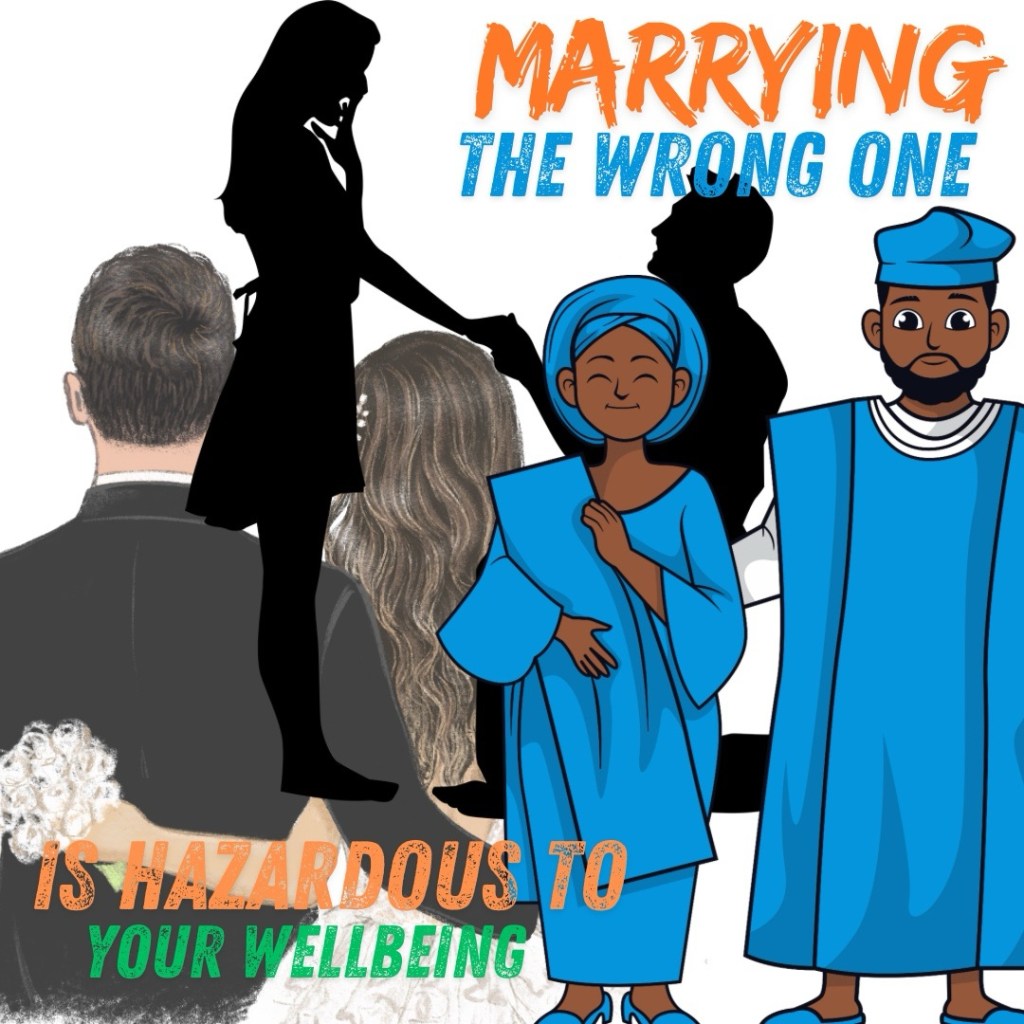
Marriage is often portrayed as a union of love, trust, and mutual respect, but the reality is that not every marital journey unfolds as smoothly as expected. For some individuals, saying “I do” to the wrong person can lead to a myriad of challenges and outcomes that profoundly impact their lives. From emotional turmoil and disillusionment to legal complications and financial strain, marrying the wrong person can have far-reaching consequences that reverberate long after the wedding bells have faded.
The Challenges of Marrying the Wrong Person:
1. Emotional Turmoil: Marrying someone who is not the right fit emotionally can lead to a rollercoaster of emotions, including frustration, resentment, and sadness. Constant disagreements, conflicts, and feelings of disconnect can erode the emotional foundation of the relationship, leaving both partners feeling unfulfilled and dissatisfied.
2. Communication Breakdown: Effective communication is the cornerstone of a healthy marriage, but marrying the wrong person often results in communication breakdowns and misalignment of expectations. Differences in values, goals, and priorities can create barriers to effective communication, making it challenging for couples to navigate conflicts and resolve issues constructively.
3. Loss of Identity: Marrying the wrong person can sometimes lead to a loss of individual identity as partners struggle to maintain their sense of self within the relationship. Sacrificing personal aspirations, interests, and values to appease a partner can result in feelings of resentment and a sense of being trapped in an unfulfilling marriage.
4. Legal and Financial Complications: Divorcing the wrong person can entail significant legal and financial complexities, including asset division, alimony, child custody, and other legal proceedings. Untangling financial assets, debts, and responsibilities can be a lengthy and costly process, further exacerbating the emotional strain of divorce.
5. Impact on Children: If children are involved, marrying the wrong person can have profound effects on their well-being and development. Experiencing parental conflict, instability, and divorce can increase children’s risk of emotional and behavioral problems, academic difficulties, and relationship challenges later in life.
6. Social Stigma and Judgment: Divorce and marital discord can be accompanied by social stigma and judgment from family, friends, and society at large. Individuals may feel ashamed or embarrassed to admit that their marriage is failing or that they made a mistake in choosing their partner, leading to feelings of isolation and loneliness.
Outcomes of Marrying the Wrong Person:
1. Divorce: For many individuals, marrying the wrong person ultimately leads to divorce as they seek to end the relationship and pursue a fresh start. Divorce can provide an opportunity for healing and personal growth but often comes with emotional, financial, and logistical challenges.
2. Marital Struggle and Unhappiness: Some individuals may choose to stay in a marriage despite knowing they married the wrong person, leading to ongoing marital struggle and unhappiness. Enduring a loveless or dysfunctional marriage can take a toll on mental health and well-being, contributing to depression, anxiety, and other psychological issues.
3. Reevaluation of Priorities: Marrying the wrong person can prompt individuals to reevaluate their priorities, values, and goals in life. It may inspire a period of introspection and self-discovery as individuals reflect on what they truly want and need in a partner and in their lives overall.
4. Second Chance at Love: For some individuals, divorcing the wrong person opens the door to a second chance at love and a more fulfilling relationship. Learning from past mistakes and experiences, they may be better equipped to identify a compatible partner and build a healthy, sustainable relationship in the future.
5. Personal Growth and Resilience: Weathering the challenges of marrying the wrong person can foster personal growth, resilience, and strength. It may inspire individuals to cultivate self-awareness, assertiveness, and independence as they navigate the complexities of divorce and embark on a journey of self-renewal.
Conclusion
Marrying the wrong person can present a multitude of challenges and outcomes that profoundly impact individuals’ lives, relationships, and well-being. From emotional turmoil and communication breakdowns to legal complications and financial strain, the consequences of marrying the wrong person are far-reaching and complex. However, navigating these challenges can also lead to opportunities for personal growth, self-discovery, and resilience. Whether through divorce, marital struggle, or eventual reconciliation, individuals can emerge from the experience with a deeper understanding of themselves and their needs, paving the way for a brighter and more fulfilling future.
The Emotional Turmoil
Emotional turmoil is perhaps one of the most profound and enduring challenges faced by individuals who find themselves married to the wrong person. It manifests in a multitude of ways, deeply affecting mental well-being, interpersonal relationships, and overall quality of life. Here’s an in-depth exploration of the emotional turmoil experienced in such situations:
Frustration and Resentment:
Marriage to the wrong person often leads to a constant undercurrent of frustration and resentment. Individuals may find themselves frustrated by their partner’s behavior, attitudes, or values that are incongruent with their own. This discord can gradually evolve into resentment, as unmet expectations and unaddressed grievances accumulate over time, creating a toxic emotional environment within the marriage.
Sadness and Despair:
A pervasive sense of sadness and despair can overshadow the marital relationship when individuals realize they have made a mistake in choosing their partner. They may mourn the loss of the loving, fulfilling relationship they had hoped for, grappling with feelings of disappointment and regret. This sadness can permeate all aspects of life, impacting mood, motivation, and overall emotional well-being.
Loneliness and Isolation:
Despite being in a committed relationship, individuals married to the wrong person often experience profound feelings of loneliness and isolation. They may feel emotionally disconnected from their partner, unable to share their thoughts, feelings, and vulnerabilities openly. This sense of emotional distance can lead to a profound sense of isolation, even when physically present with their spouse or within social circles.
Guilt and Self-Blame:
Many individuals who find themselves in an unhappy marriage may experience feelings of guilt and self-blame. They may question their own judgment and decision-making abilities, wondering how they ended up in a situation that brings them so much emotional pain. This internal struggle can exacerbate feelings of inadequacy and contribute to a negative self-image.
Anxiety and Stress:
Living in a state of marital discord and uncertainty can take a toll on mental health, leading to heightened levels of anxiety and stress. Individuals may constantly worry about the future of their relationship, fear confrontations or conflicts with their partner, or experience anticipatory anxiety about potential confrontations. This chronic stress can have detrimental effects on physical health, exacerbating conditions such as hypertension, insomnia, and digestive issues.
Loss of Hope and Optimism:
The emotional turmoil of marrying the wrong person often erodes hope and optimism for the future. Individuals may feel trapped in a situation they perceive as hopeless, unable to envision a path to happiness or fulfillment within their marriage. This loss of hope can be particularly devastating, robbing individuals of the motivation to invest in their relationship or pursue personal goals and aspirations.
Confusion and Identity Crisis:
Marrying the wrong person can trigger a profound sense of confusion and identity crisis as individuals grapple with conflicting emotions and inner turmoil. They may question their own values, priorities, and sense of self, struggling to reconcile their desires with the reality of their marriage. This existential crisis can be deeply unsettling, leading to feelings of disorientation and existential angst.
In conclusion, the emotional turmoil of marrying the wrong person is a complex and multifaceted experience that profoundly impacts individuals’ mental and emotional well-being. From frustration and sadness to loneliness and guilt, the emotional toll of an unhappy marriage can be profound and enduring. Recognizing and addressing these emotions is essential for individuals to navigate their circumstances, seek support, and ultimately find a path to healing and personal fulfillment.
The Communication Breakdown
Communication breakdown is a common consequence of marrying the wrong person, and it can significantly exacerbate the challenges and conflicts within the relationship. Here’s an in-depth exploration of how communication breakdown manifests in such situations:
Misalignment of Expectations:
Married couples often have differing expectations about various aspects of their relationship, such as finances, family planning, career aspirations, and household responsibilities. When individuals marry the wrong person, these expectations may be fundamentally misaligned, leading to frequent misunderstandings, disagreements, and conflicts. Despite efforts to communicate their needs and desires, couples may struggle to find common ground, resulting in ongoing frustration and resentment.
Ineffective Communication Styles:
Effective communication is essential for healthy relationships, but marrying the wrong person often brings to light incompatible communication styles. Some individuals may be more assertive and direct in their communication, while others may avoid conflict or struggle to express their emotions openly. These differences in communication styles can lead to miscommunication, misinterpretation of intentions, and a lack of emotional connection between partners.
Avoidance of Difficult Conversations:
In an unhappy marriage, couples may avoid addressing difficult topics or conflicts out of fear of confrontation, rejection, or further discord. This avoidance behavior only exacerbates the underlying issues, allowing resentment and frustration to fester beneath the surface. Over time, unresolved conflicts can create a toxic emotional environment within the relationship, hindering intimacy and trust between partners.
Blame and Defensiveness:
Communication breakdown in an unhappy marriage often devolves into a cycle of blame and defensiveness, where each partner seeks to protect their own interests and point fingers at the other. Rather than engaging in open, honest dialogue, couples may resort to defensive or accusatory language, further escalating tensions and widening the communication gap. This pattern of communication erodes trust and mutual respect, making it difficult to resolve conflicts constructively.
Lack of Emotional Intimacy:
Emotional intimacy is a cornerstone of healthy relationships, but marrying the wrong person can hinder the development of a deep emotional connection between partners. Without open and honest communication, couples may struggle to share their thoughts, feelings, and vulnerabilities with each other, leading to a sense of emotional distance and isolation. This lack of emotional intimacy can erode the foundation of the relationship, making it difficult for couples to cultivate a strong bond.
Communication Shutdown:
In extreme cases, communication breakdown in an unhappy marriage can lead to a complete shutdown of communication between partners. This silent treatment or stonewalling tactic can be used as a form of passive-aggressive behavior to avoid conflict or exert control over the other person. However, it only serves to deepen the rift between partners and prolong the cycle of dissatisfaction and unhappiness within the relationship.
Difficulty in Problem-Solving:
Effective communication is essential for problem-solving and conflict resolution within a marriage. However, marrying the wrong person often leads to an impasse in problem-solving efforts, as couples struggle to find common ground or compromise on issues of contention. Without effective communication skills, couples may feel stuck in a cycle of repetitive conflicts, unable to break free from the patterns of dysfunction within their relationship.
In conclusion, communication breakdown is a pervasive and detrimental consequence of marrying the wrong person, undermining the foundation of the relationship and hindering efforts to resolve conflicts and cultivate intimacy. Recognizing the signs of communication breakdown and seeking support, such as couples counseling or communication skills training, can help couples navigate the challenges of an unhappy marriage and work towards a healthier, more fulfilling relationship.
 Think-Talk