Boldness is not simply a character trait—it is a spiritual gift and divine superpower. 2 Timothy 1:7 reminds us, “For God has not given us the spirit of fear, but of power, and of love, and of a sound mind.” Yet, in a world that often glorifies silence or false humility, boldness is frequently misunderstood. Sadly, what God intends as strength is sometimes perceived as pride.
Understanding the Misinterpretation
Boldness is the courage to stand firm in faith, to speak truth in love, and to act when others hesitate. It is not arrogance, which elevates self above others. Jesus Christ was bold—He challenged religious systems (Matthew 23), drove out moneychangers (John 2:15), and taught with authority. Yet He was humble, sinless, and moved by compassion.
The early church also operated in boldness. Peter, once afraid to be associated with Jesus, became fearless after the Holy Spirit came upon him. In Acts 4:13, we read, “When they saw the boldness of Peter and John… they were astonished.” Their courage wasn’t born of pride, but of divine empowerment.
Why Boldness Is Misjudged:
- Insecurity: Boldness can trigger discomfort in those who feel unsure of themselves.
- Cultural Expectations: Some equate meekness with passivity, not realizing humility and boldness can coexist (Numbers 12:3).
- Religious Mindsets: False humility is sometimes praised over true confidence in God.
- Past Abuse of Boldness: When people misuse confidence as a mask for pride, it creates suspicion about genuine boldness.
Biblical Examples of Boldness include, but not limited to:
- David confronted Goliath with confidence in God’s power (1 Samuel 17:45).
- Esther risked her life for her people, saying, “If I perish, I perish” (Esther 4:16).
- Paul often defended his mission and authority with firmness, yet operated in humility and grace (2 Corinthians 10:1).
Boldness is Needed Today
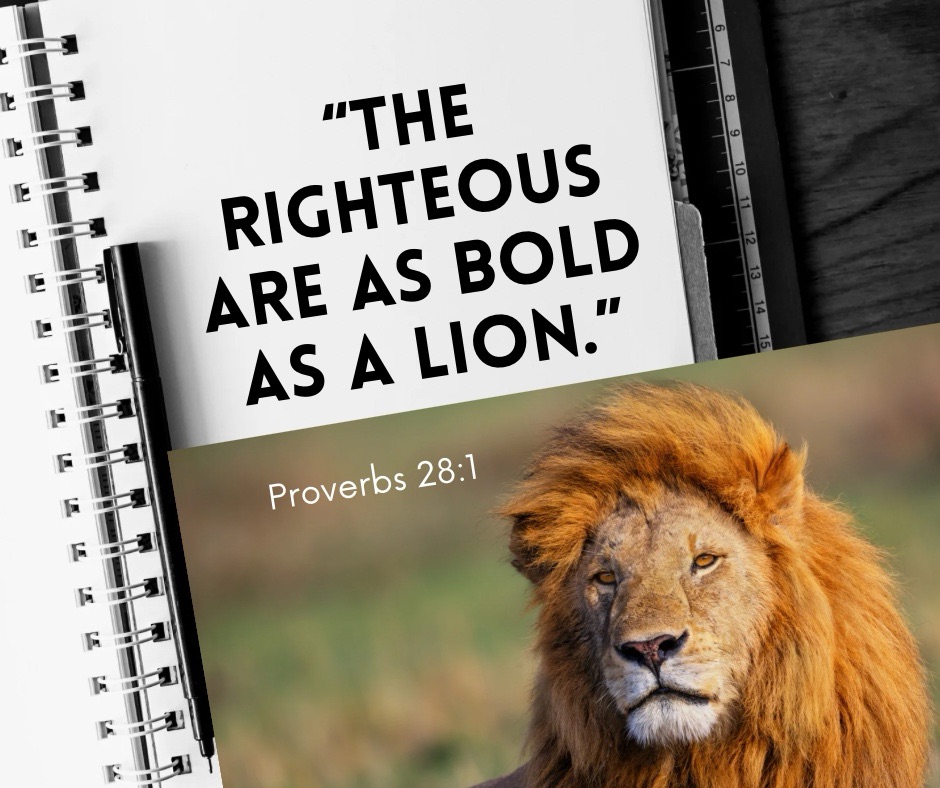
We need believers who are unapologetically bold—those who stand for truth, speak with conviction, and act with love. As Proverbs 28:1 says, “The righteous are as bold as a lion.”
Don’t let others shame you into silence. If God has called you to speak, move, lead, or confront, do so with humility—but do it boldly. You are not walking in arrogance when your confidence is rooted in Christ. You are walking in the Spirit.
Be bold and courageous
(Joshua 1:9).
But don’t misconstrue boldness with bravado.
Boldness vs. Bravado: Knowing the Difference and Why It Matters
In a world that often celebrates confidence, standing out from the crowd, and going after what you want, it’s easy to confuse boldness with bravado. On the surface, they might look the same: people doing daring things, speaking up in tough situations, or taking risks. But when you peel back the layers, boldness and bravado are driven by very different forces—and they produce very different results.
Boldness
Boldness is rooted in purpose, conviction, and self-assurance. It’s the courage to do what is right or necessary, even in the face of fear, criticism, or uncertainty. A bold person doesn’t act for show—they act because they believe something must be done or said, regardless of how uncomfortable it may be.
Example of Boldness:
Imagine a quiet employee in a company meeting who sees a major ethical issue with a new policy being proposed. No one else is speaking up, but this person raises their hand and respectfully points out the concern, even knowing it could create tension or cost them favor. That’s boldness. It’s not about spotlight, but about standing for truth.
Another example is Rosa Parks refusing to give up her seat on a segregated bus in 1955. Her act wasn’t loud or flashy, but it was bold—anchored in justice and dignity, not in seeking attention.
Bravado
Bravado, on the other hand, is a facade of courage, often driven by insecurity, ego, or the desire to impress. It’s the appearance of fearlessness without the substance behind it. Bravado thrives on performance and reaction. It’s about being seen and admired, not necessarily about doing what’s right or meaningful.
Example of Bravado:
Think of someone at a party who loudly boasts about quitting their job to “start a business,” making it sound like a powerful move—yet they have no plan, no research, and no real desire to build anything. They just want applause. Or someone who picks a public fight or confrontation just to look tough or assert dominance. It may seem confident, but it lacks depth or direction.
A classic pop culture example? Many characters played by Tony Stark (Iron Man) from the Marvel universe straddle the line—but early in his story, his constant quips, arrogance, and showmanship were mostly bravado, until he matured into a man of bold actions and sacrifice.
Key Differences Between Boldness and Bravado
Boldness: Grounded in purpose or values; Quiet confidence; Willing to risk unpopularity for truth; Calm and deliberate, Sustainable and rooted in integrity.
Bravado: Driven by ego or desire for attention; Loud and performative; Seeks admiration and approval; Flashy, impulsive, or exaggerated; Temporary and often masks insecurity.
Why This Difference Matters
In relationships, leadership, and personal growth, mistaking bravado for boldness can be dangerous. Bravado may inspire followers temporarily, but it eventually cracks under pressure. Boldness, on the other hand, earns trust, brings change, and stands the test of time.
In relationships, boldness is telling your partner the truth in love—even when it’s hard. Bravado is making grand gestures or ultimatums to manipulate or control. In business, boldness is innovating responsibly; bravado is risking everything to prove a point.
Final Thoughts
We all want to be courageous, to stand tall in difficult moments. But true courage—boldness—doesn’t need a stage or a round of applause. It just needs clarity, character, and conviction.
Next time you’re faced with a moment to speak up, step out, or take action, ask yourself: Am I being bold… or just putting on bravado?
We need more people to be BOLD and stand up for truth. Like all gifts from God, ask Him for it if you desire the gift.
 Think-Talk