Why are some people promiscuous? You might know someone who is and, I hope like I do, you wonder why they are so. This is definitely not about judging but to deep dive into the why – is it biological, a disease, self-inflicted, or what?
Promiscuity—defined as having many casual sexual partners—is often judged at surface level. But behind the behavior, there’s usually a deeper story. Whether you’re trying to understand someone you love or trying to understand yourself, it’s important to know that promiscuity doesn’t just happen. There are often emotional, psychological, or even spiritual roots behind it.
I once knew a lady who stated that she could never be sexually satisfied even when she is married. I was gaped … I told her coldly that she needed help though at the time I didn’t know what kind of help she needed. But, with both maturity and a humble level of spirituality, it is abnormal to be promiscuous. Some young adults might ascribe it as “having fun.” But beneath “that fun” lies deep-rooted causes that they might not be aware of.
Let’s explore some of the most common causes of promiscuity, with real-life context and insight into how healing can begin.
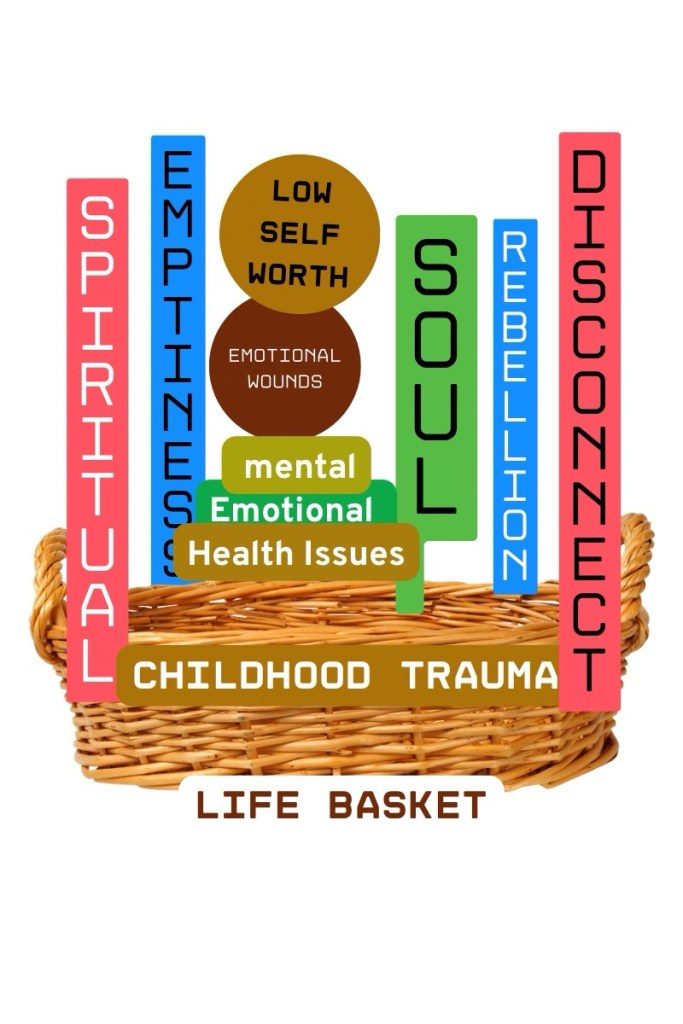
- Childhood Trauma and Emotional Wounds
Many adults, male and female, who struggle with promiscuity were hurt as children—either through sexual abuse, emotional neglect, or abandonment. They may not even fully remember the trauma, but it shapes their view of love and intimacy.
Scenario: Jane was molested by a cousin at age 7. She never told anyone. Now, in her twenties, she feels emotionally numb unless she’s in someone’s bed. She confuses attention with affection, and sex with love.
Healing Path: Therapy is critical here—especially trauma-informed counseling. Rebuilding self-worth and learning healthy boundaries are key steps toward freedom.
- Low Self-Worth and the Need for Validation
Some people use sex like a drug. It offers a temporary high—a sense of being wanted, desirable, even powerful. But the crash afterward is often loneliness or shame.
Scenario: Kevin struggles with body image and confidence. But every time someone wants to sleep with him, it feels like a win. He keeps going back to it, even when it leaves him feeling worse afterward.
Healing Path: The goal is to detach self-worth from sexual desirability. Affirmation, self-discovery, and surrounding oneself with people who offer non-sexual love and respect can help.
- Mental and Emotional Health Challenges
Conditions like bipolar disorder (during manic episodes), borderline personality disorder, or hypersexuality (sex addiction) can contribute to risky and frequent sexual behavior.
Scenario: Maria is charming and spontaneous. When she’s up, she sleeps with multiple partners a week. When she crashes, she feels used and empty. She’s caught in a cycle she can’t control.
Healing Path: Medical help, therapy, and sometimes medication can help regulate mood and impulses. There’s no shame in needing support to break the cycle. Sadly, medication only manages, not cure, the mood/impulse cycles,
- Culture, Peer Pressure, and Media Influence
In today’s hookup culture, sex is often detached from emotion. Promiscuity is sometimes celebrated, especially in media and among peers. Some people fall into it not because they want to, but because it’s normalized.
Scenario: Tasha went to college where “everyone” seemed to be doing it. She didn’t want to feel like the odd one out. Before long, casual sex became her weekend routine.
Healing Path: It’s okay to step back and redefine what you want, what you value, and what brings you peace. Silence the noise. Reconnect with your values—not someone else’s expectations.
- Rebellion
For some, promiscuity becomes a form of rebellion—against strict upbringing, religious rules, or even a cheating partner.
Scenario: After her boyfriend of five years cheated, Carla started “living her best life,” which meant sleeping with multiple people in a month; sometimes in a fay or week. At first it felt empowering, but now it feels like self-harm.
Healing Path: Healing from betrayal takes time. Revenge sex may feel powerful in the moment, but it rarely leads to true closure. Journaling, therapy, prayer, or even just being honest with your pain can help redirect your energy.
- Spiritual Disconnect and Soul Emptiness
For believers, promiscuity can be a symptom of a deeper spiritual hunger. Some feel disconnected from God or overwhelmed by guilt, and instead of returning to grace, they run further into behaviors that leave them emptier.
Scenario: David was once passionate about his faith. But after a series of failures, he stopped praying and attending church. Now he finds himself in beds he never thought he’d lie in, asking, “How did I get here?”
Healing Path: God’s arms are never closed. The shame may be heavy, but grace is heavier. Returning to spiritual practices, community, and accountability can bring deep healing and redirection.
Final Thoughts: What Promiscuity Is Not
• It is not always about being “loose” or immoral.
• It is not always a sign of confidence—sometimes, it’s the opposite.
• It is not something to shame people for—it’s often a wound, not a weapon.
Healing takes time. Whether you’re walking through it yourself or supporting someone else, know this: you are more than your past, more than your choices, and definitely more than your body. Love, real love, starts from the inside out.
Know someone who is promiscuous, don’t judge, but be compassionate. There’s much pain, loneliness, and emptiness beneath all that you see the person doing. Be gracious and offer listening ears and/or an understanding heart. If nothing else, pray for God to touch such a person.
 Think-Talk
You’re not alone; most of us haven’t. But, promiscuity is deeper than psychological and a part of soul wounds.
LikeLiked by 1 person
Some interesting points here. I’ve never really looked into the psychological side of promiscuity.
LikeLiked by 1 person