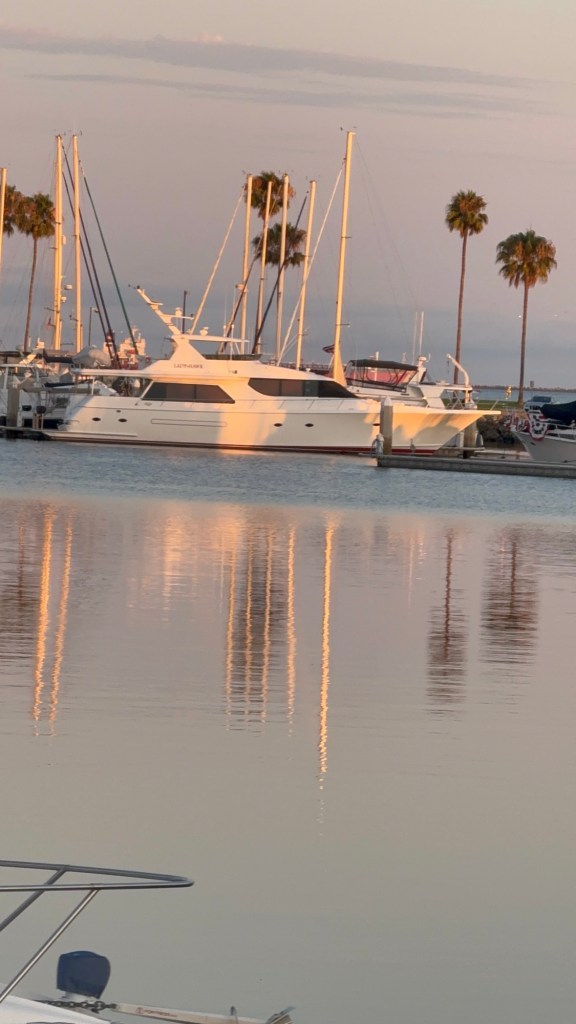
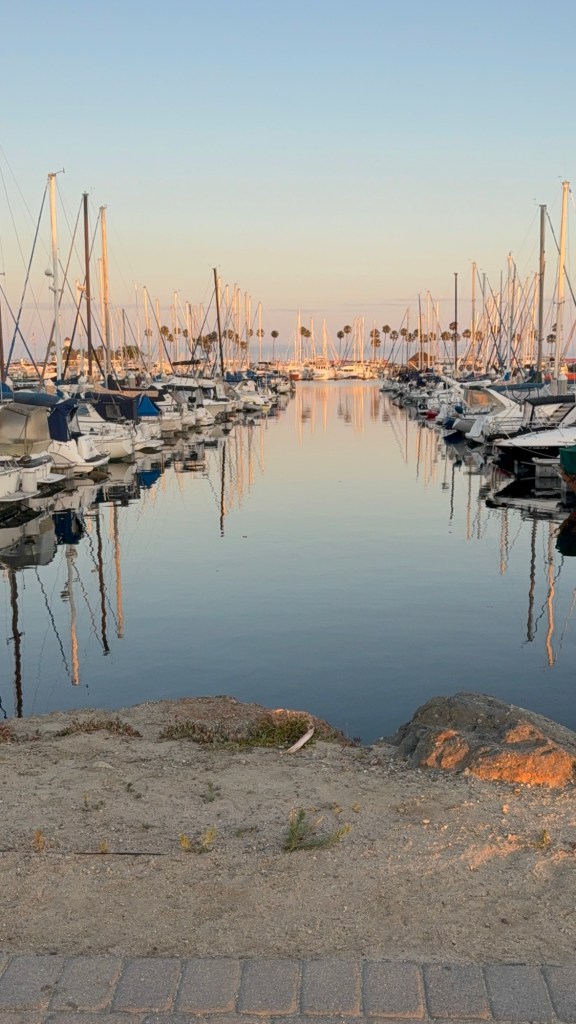
I walk along the beach at least three days a week and meet a lot of people. I also love to strike conversations on various topics with the people. One of such conversations is why they chose to live on their yachts, instead of on land in a home.
This post examines this new trend – why people are choosing to live on yachts.
For most people, the dream is a cozy house with a white picket fence, a backyard, and maybe a porch swing. But for a growing number of adventurers, retirees, digital nomads, and luxury seekers, the dream home floats. Yes—on a yacht.
Living aboard a yacht may sound like a life reserved only for the ultra-wealthy, but the truth is more nuanced. From minimalist liveaboards to mega-yacht dwellers, there’s a rising trend of people choosing the open sea over real estate. Here’s why.
- The Ultimate in Freedom and Mobility
Owning a yacht means you’re not tethered to one location. Want to wake up in the Bahamas, spend the weekend in Key West, and head to Puerto Rico the next week? Living aboard a yacht gives you the ultimate passport to mobility.
Unlike a home, which anchors you to one neighborhood, living on a yacht allows you to explore coastlines, islands, and even different countries—without ever packing a suitcase.
For some, this freedom isn’t just thrilling—it’s healing. Retirees and world travelers often cite the sea’s calming presence and the flexibility to follow good weather as the best parts of boat life.
- Financial Trade-offs: Cheaper Than a Home? Sometimes, Yes
While purchasing a luxury yacht can easily cost millions, many people live aboard modestly priced vessels—particularly sailboats or smaller motor yachts—that cost less than a condo in a big city.
Here’s how the math can work:
- Initial cost: A well-kept used liveaboard sailboat or motor yacht can be purchased for $50,000–$300,000. That’s less than a typical home in many urban centers.
- No property taxes: Boats don’t come with the annual property tax bill that homes do.
- Lower utility costs: Solar panels, wind generators, and desalination systems can reduce recurring costs.
- No mortgage or HOA fees: Some liveaboards buy their boats outright and avoid mortgages and homeowners’ association fees altogether.
Of course, there are costs: marina fees, maintenance, fuel, insurance, and repairs. But for those who downsize and simplify, it’s often more affordable than homeownership in cities like San Francisco, Miami, or New York.
- Simplicity and Minimalism
The yacht lifestyle is the ultimate form of intentional living. Limited space naturally forces minimalism. You can’t hoard stuff—only what fits aboard stays aboard.
Many liveaboards say they’ve found joy in downsizing. There’s a rhythm to yacht life: daily maintenance, watching the weather, navigating tides. Life slows down. You become attuned to nature’s pace rather than society’s.
- A Different Kind of Luxury
Not all yacht dwellers are seeking a simple life—some are seeking a luxurious one. High-net-worth individuals buy superyachts as floating mansions, complete with chefs, crew, helipads, and infinity pools.
Why? Because it’s privacy on a whole new level. No paparazzi. No neighbors. Just the open sea and a personal crew to cater to your every need. For many celebrities and billionaires, it’s the safest and most relaxing way to unplug from the world.
- Escaping the Grid—and Sometimes, the System
Living on a yacht can also be a form of opting out. For some, it’s a statement of independence—breaking away from the demands of modern society, mortgages, traffic, politics, even taxes (within limits and legality).
It’s no wonder some digital nomads and free spirits use their yachts as floating offices. Thanks to satellite internet and global roaming, many work remotely while anchored in turquoise waters.
- The Community of Liveaboards
Despite the solitude, there’s a global network of yacht dwellers who meet in marinas, swap stories over sundowners, and help one another during storms. From Caribbean cruisers to Pacific adventurers, many people find the yacht life surprisingly communal.
Some families homeschool their kids aboard, others run businesses, and many retirees enjoy active social lives on the docks. There are even entire Facebook groups and YouTube channels dedicated to “boat life” communities.
- Challenges Exist—but the Rewards Can Outweigh Them
Let’s not romanticize it too much—life on a yacht isn’t always easy:
- Space is limited.
- Weather can be unpredictable.
- Repairs are constant.
- Seasickness, especially in the beginning, can be rough.
But for those who embrace it, the rewards far outweigh the inconveniences. Waking up to the sound of lapping waves, spotting dolphins from your deck, and sipping coffee while watching a sunrise over the ocean? Priceless.
Do owners have to pay to dock/park their yachts?
Yes, yacht owners absolutely have to pay to dock or “park” their boats—unless they anchor offshore, which has its own limitations.
Docking a yacht typically involves renting a slip or berth at a marina, and prices vary widely depending on:
- Location (major cities and luxury destinations cost more)
- Yacht size (the longer and wider your boat, the more you’ll pay)
- Time frame (hourly, daily, monthly, or annually)
- Amenities offered (electricity, water, security, concierge, etc.)
🔹 So, how much does it cost to dock a yacht?
Here’s a general breakdown:
Location Size of Yacht Estimated Monthly Docking Fee:
- Small coastal town marina 30–40 ft $300–$700/month
- Major city (Miami, LA, NY) 40–60 ft $1,000–$2,500/month
- Luxury marina (Monaco, Dubai) 100+ ft $4,000–$10,000+/month
- Private superyacht marinas 150+ ft $15,000–$30,000+/month
⛵ Daily dockage fees can range from $1.50–$10+ per foot per night depending on location and season.
🔹 Annual Slip Rentals
Some liveaboards sign yearly contracts with marinas, which typically gives them a discounted monthly rate. A 40-foot slip in a mid-range U.S. marina might cost around $7,000–$10,000 per year, while premium marinas can run $20,000+ annually.
🔹 Hidden/Extra Fees
Owners may also pay for:
- Liveaboard fee (extra charge if you live full-time on the boat): $150–$500/month
- Utilities: Power, water, Wi-Fi
- Pump-out services for waste tanks
- Insurance: Required by most marinas
- Hurricane haul-out fees or storm prep (especially in Florida or the Caribbean)
🔹 Anchoring for Free?
Yes, some yacht dwellers anchor offshore for free—especially in designated anchorage zones. But this comes with trade-offs:
- No access to shore power or running water
- Risk of bad weather or needing to reposition often
- Dinghy required to go ashore
- Can’t legally anchor long-term in many areas
In summary, docking fees are a major consideration in yacht life. For full-time yacht dwellers, docking in a long-term marina with liveaboard facilities is often the most stable and convenient option—but it comes at a monthly cost similar to (or cheaper than) renting an apartment in a big city.
Final Thoughts: A Floating Dream for the Bold
Living on a yacht isn’t for everyone. It requires courage, adaptability, and a taste for adventure. But for those who crave freedom, minimalism, or luxury without borders, trading a house for a hull just might be the ultimate lifestyle move.
Whether it’s a life of quiet solitude or opulent oceanfront luxury, the yacht offers something the average home can’t: a life where the view—and the destination—can change whenever you choose.
 Think-Talk