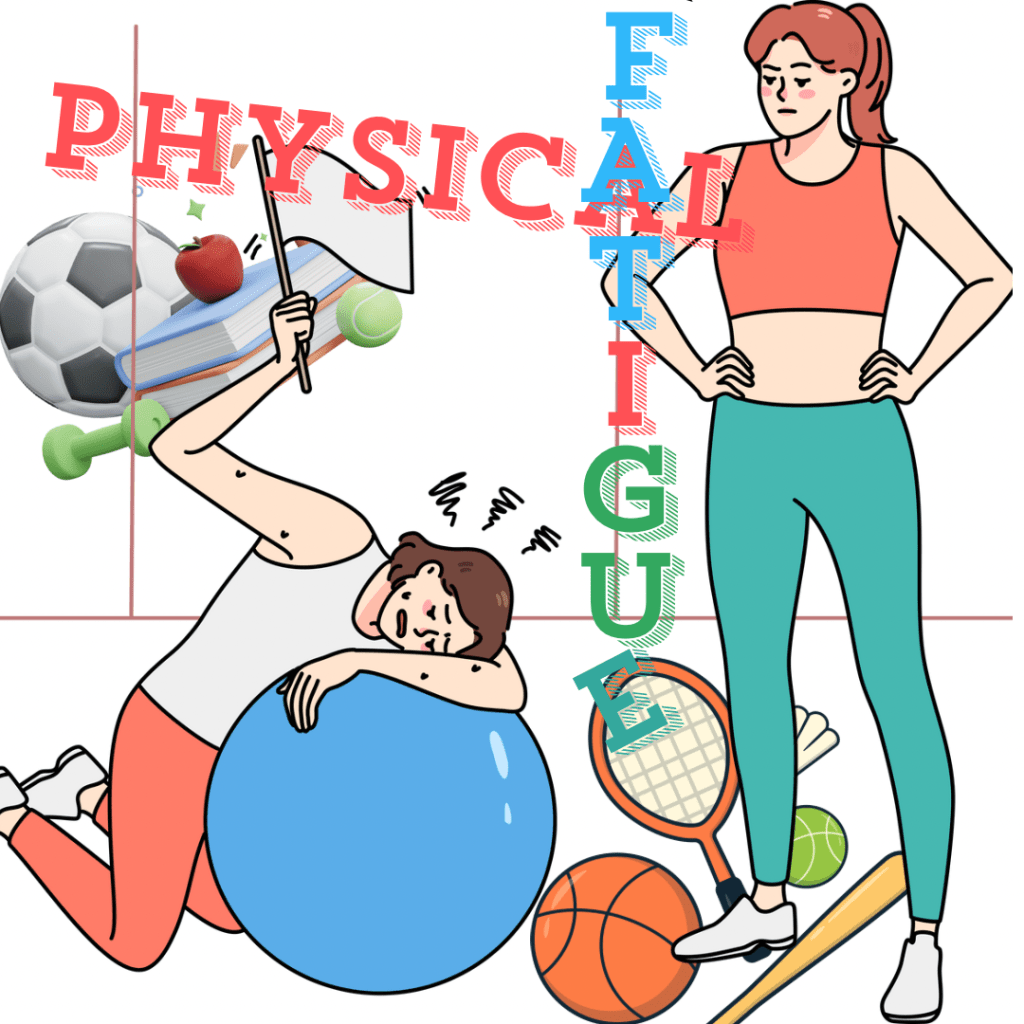
What is Physical Fatigue?
Physical fatigue is a state of extreme tiredness and decreased capacity to perform physical activities. It occurs when the muscles and the body are overworked or under significant strain, leading to a reduction in performance and an increase in the perception of effort required to perform tasks.
Causes of Physical Fatigue
- Overexertion: Engaging in prolonged or intense physical activities without adequate rest.
- Poor Sleep: Inadequate or poor-quality sleep can impair muscle recovery and energy restoration.
- Dehydration: Lack of sufficient water intake can lead to decreased physical performance and increased fatigue.
- Nutritional Deficiencies: Insufficient intake of essential nutrients, such as carbohydrates, proteins, vitamins, and minerals, can impair muscle function and energy production.
- Medical Conditions: Chronic illnesses like anemia, diabetes, thyroid disorders, and cardiovascular diseases can cause persistent fatigue.
- Stress: Physical and emotional stress can drain energy levels and contribute to physical tiredness.
In-Depth Look at Causes of Physical Fatigue
- Inadequate Recovery Time: Engaging in repetitive strenuous activities without allowing sufficient time for muscle recovery.
- Environmental Factors: Extreme temperatures (hot or cold) can increase the body’s workload, leading to quicker onset of fatigue.
- Sedentary Lifestyle: Lack of physical activity can lead to muscle atrophy and decreased overall stamina, making the body more susceptible to fatigue during exertion.
- Mental Fatigue: Prolonged mental exertion can spill over into physical fatigue, as the body and mind are interconnected.
- Medications: Certain medications, such as antihistamines, beta-blockers, and antidepressants, can have side effects that include fatigue.
- Alcohol and Substance Use: Excessive use of alcohol or recreational drugs can impair the body’s ability to recover and function optimally.
- Infections: Acute and chronic infections can sap energy levels and lead to persistent fatigue.
Symptoms of Physical Fatigue
- Persistent tiredness or lack of energy
- Muscle weakness or soreness
- Reduced physical performance and endurance
- Slower reaction times
- Increased effort to perform usual activities
- Difficulty concentrating
- Irritability or mood swings
Additional Symptoms of Physical Fatigue
- Heart Palpitations: An irregular or unusually fast heartbeat, especially during or after physical activity.
- Reduced Coordination: Difficulty in maintaining balance and coordination during physical activities.
- Shortness of Breath: Feeling breathless or experiencing rapid, shallow breathing even with minimal exertion.
- Headaches: Frequent headaches that can accompany tiredness.
- Low Motivation: A general lack of interest or motivation to engage in physical activities.
- Digestive Issues: Stomach pain, nausea, or changes in bowel habits can sometimes be linked to physical fatigue.
- Joint Pain: Stiffness or pain in the joints, particularly after periods of inactivity.
Strategies for Recovery
- Rest and Sleep: Ensure adequate sleep and take short naps if needed. Aim for 7-9 hours of quality sleep per night.
- Hydration: Drink plenty of water throughout the day to stay hydrated. Dehydration can exacerbate fatigue.
- Balanced Diet: Eat a well-rounded diet rich in essential nutrients. Include plenty of fruits, vegetables, whole grains, lean proteins, and healthy fats.
- Exercise Wisely: Engage in regular but moderate physical activity. Avoid overtraining and allow for rest days to let muscles recover.
- Stress Management: Practice relaxation techniques such as deep breathing, meditation, or yoga to manage stress levels.
- Medical Attention: If fatigue persists despite these strategies, consult a healthcare provider to rule out underlying medical conditions.
- Physical Therapy: In some cases, working with a physical therapist can help design a recovery plan tailored to individual needs and conditions.
Advanced Strategies for Recovery
- Active Recovery: Engage in low-intensity activities like walking, swimming, or yoga to promote blood circulation and aid muscle recovery.
- Massage Therapy: Regular massages can help alleviate muscle tension and improve circulation, facilitating faster recovery.
- Supplements: Consider taking supplements such as magnesium, vitamin D, omega-3 fatty acids, and B-complex vitamins, which are crucial for muscle function and energy metabolism.
- Sleep Hygiene: Establish a consistent sleep routine, create a restful environment, and avoid stimulants like caffeine and electronic screens before bedtime.
- Compression Gear: Wearing compression garments can help reduce muscle soreness and speed up recovery after intense workouts.
- Mind-Body Techniques: Practices like tai chi, mindfulness, and progressive muscle relaxation can help in reducing stress and improving overall energy levels.
- Professional Guidance: Work with a fitness coach or personal trainer to develop a balanced workout regimen that incorporates proper rest intervals.
- Heat and Cold Therapy: Alternating between hot and cold treatments (e.g., hot baths, cold packs) can reduce muscle soreness and inflammation.
- Adaptogenic Herbs: Herbs like ashwagandha, ginseng, and rhodiola are known for their potential to help the body resist physical and mental stress.
Preventing Physical Fatigue
- Pacing: Learn to pace yourself during physical activities, alternating between periods of exertion and rest.
- Goal Setting: Set realistic and attainable physical goals to avoid overexertion and burnout.
- Listen to Your Body: Pay attention to early signs of fatigue and take proactive measures to rest and recover before it escalates.
- Regular Check-ups: Routine medical check-ups can help identify and manage health issues that may contribute to fatigue.
- Hydration and Nutrition Planning: Develop a hydration and nutrition plan that supports your activity level, ensuring you have the necessary fuel and fluids before, during, and after exercise.
Could Physical Fatigue be a Medical Condition?
Physical fatigue can be a symptom of several medical conditions.
While it is often a result of lifestyle factors like overexertion or poor sleep, persistent or severe physical fatigue can indicate underlying health issues that require medical attention. Here are some medical conditions that can cause physical fatigue:
Medical Conditions Linked to Physical Fatigue:
1. Chronic Fatigue Syndrome (CFS):
- Description: A complex disorder characterized by extreme fatigue that doesn’t improve with rest and worsens with physical or mental activity.
- Symptoms: Severe, persistent tiredness, muscle and joint pain, headaches, sleep disturbances, and memory problems.
2. Anemia:
- Description: A condition where there is a lack of healthy red blood cells to carry adequate oxygen to the body’s tissues.
- Symptoms: Fatigue, weakness, pale or yellowish skin, irregular heartbeats, shortness of breath, and dizziness.
3. Sleep Apnea:
- Description: A disorder where breathing repeatedly stops and starts during sleep, leading to poor sleep quality.
- Symptoms: Loud snoring, gasping for air during sleep, excessive daytime sleepiness, and morning headaches.
4. Hypothyroidism:
- Description: A condition where the thyroid gland doesn’t produce enough thyroid hormones, affecting metabolism.
- Symptoms: Fatigue, weight gain, cold intolerance, dry skin, constipation, and depression.
5. Diabetes:
- Description: A group of diseases that result in high blood sugar (glucose) levels.
- Symptoms: Fatigue, frequent urination, excessive thirst, extreme hunger, unexplained weight loss, and slow-healing sores.
6. Heart Disease:
- Description: Conditions affecting the heart’s ability to pump blood effectively.
- Symptoms: Fatigue, shortness of breath, chest pain, irregular heartbeats, and swelling in legs and feet.
7. Chronic Kidney Disease:
- Description: A condition characterized by gradual loss of kidney function over time.
- Symptoms: Fatigue, changes in urination, swelling, muscle cramps, and poor appetite.
8. Fibromyalgia:
- Description: A disorder characterized by widespread musculoskeletal pain, accompanied by fatigue, sleep, memory, and mood issues.
- Symptoms: Chronic pain, fatigue, sleep disturbances, cognitive difficulties, and mood disorders.
9. Infections:
- Description: Viral or bacterial infections can lead to significant fatigue as the body fights off the illness.
- Symptoms: Fatigue, fever, body aches, and specific symptoms related to the infection (e.g., cough, sore throat, gastrointestinal issues).
10. Depression and Anxiety:
- Description: Mental health disorders that can significantly impact energy levels and physical well-being.
- Symptoms: Persistent sadness or anxiety, fatigue, changes in sleep patterns, appetite changes, and difficulty concentrating.
When to Seek Medical Attention:
- Duration: If fatigue persists for more than a few weeks despite adequate rest and lifestyle changes.
- Severity: If fatigue is severe enough to interfere with daily activities or is accompanied by other concerning symptoms such as unexplained weight loss, fever, or pain.
- Sudden Onset: If fatigue comes on suddenly and is not related to increased physical activity or lack of sleep.

Diagnosis and Treatment
I am not a medical professional and advise that you seek professional help should your physical fatigue be a medical issue. However, below are known diagnosis and treatment:
Diagnosis:
- Medical History and Physical Exam: A thorough evaluation by a healthcare provider.
- Blood Tests: To check for anemia, thyroid function, blood sugar levels, and other potential issues.
- Sleep Studies: To diagnose sleep disorders such as sleep apnea.
- Imaging Tests: Such as X-rays or MRI scans if an underlying physical condition is suspected.
Treatment:
- Condition-Specific: Treatment will depend on the underlying cause. For example, medication for hypothyroidism, lifestyle changes and medication for diabetes, or CPAP therapy for sleep apnea.
- General Strategies: Alongside condition-specific treatments, general fatigue management strategies such as improved sleep hygiene, regular physical activity, balanced nutrition, and stress management can be beneficial.
Again, if you suspect that your physical fatigue may be related to a medical condition, it is important to consult a healthcare professional for a thorough evaluation and appropriate treatment.
Conclusion
Understanding and addressing physical fatigue is crucial for maintaining overall health and well-being. By recognizing the causes, symptoms, and implementing effective recovery strategies, individuals can manage fatigue and improve their physical performance and quality of life.

