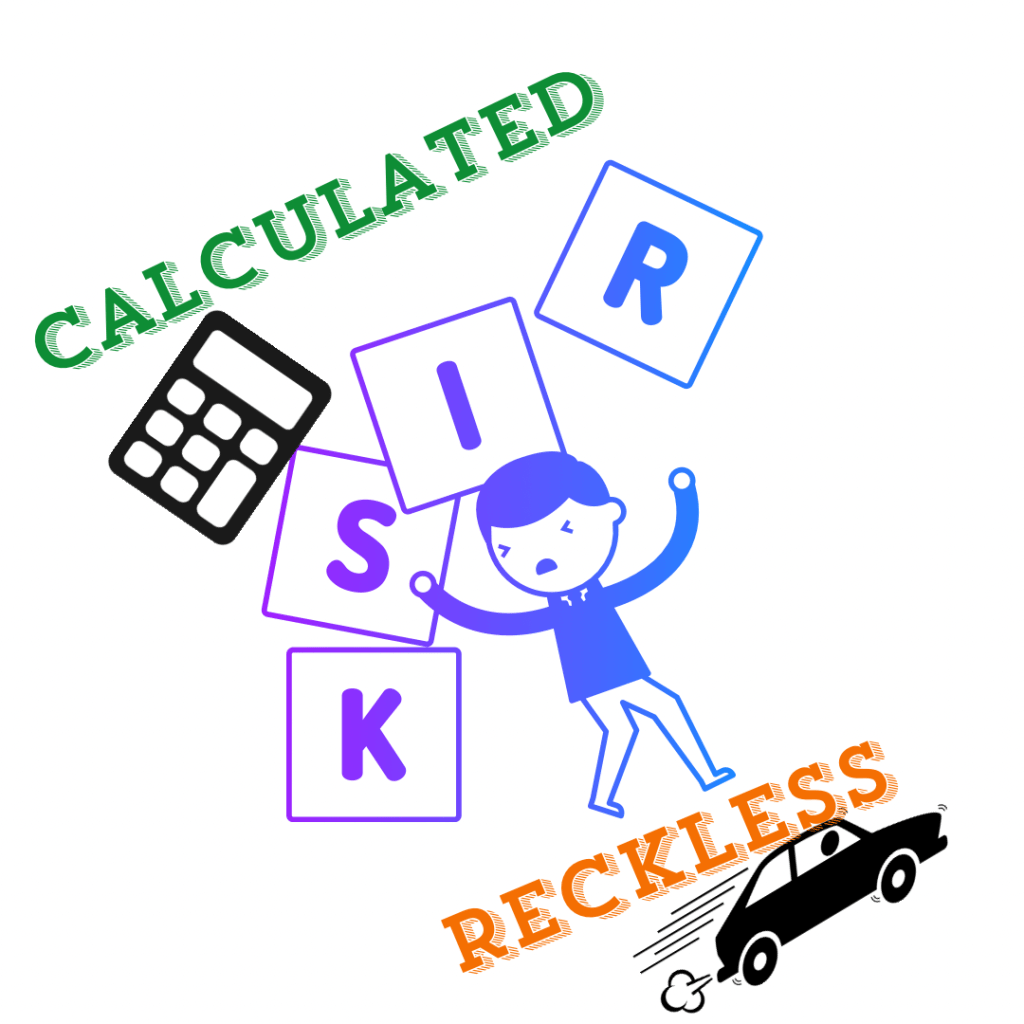
In life and business, success often hinges on the ability to take risks. However, not all risks are created equal. While some are reckless gambles, others are well-thought-out decisions with a strategic purpose. These latter types are known as calculated risks.
What Are Calculated Risks?
A calculated risk is a decision or action taken after careful analysis and consideration of the potential outcomes. It involves identifying the possible benefits and drawbacks, assessing the likelihood of various scenarios, and making an informed choice that balances risk with potential reward.
Key Elements of Calculated Risks
- Research and Information Gathering: Before taking a calculated risk, gather all relevant data. This might include market research, financial analysis, or understanding the competition.
- Risk Assessment: Evaluate the potential risks and their impact. Consider both the best-case and worst-case scenarios.
- Probability Analysis: Determine the likelihood of different outcomes. This can involve statistical analysis or relying on expert opinions.
- Mitigation Strategies: Develop plans to minimize potential negative consequences. This could involve contingency plans or diversifying investments.
- Cost-Benefit Analysis: Weigh the potential rewards against the possible risks. If the expected benefits outweigh the risks, the decision may be worth pursuing.
Examples of Calculated Risks
Starting a New Business
Starting a new business is a classic example of a calculated risk. Entrepreneurs often invest significant time and resources into researching their market, understanding customer needs, and developing a solid business plan. They assess financial risks, consider market demand, and develop strategies to mitigate potential losses. While the risk of failure exists, the potential reward of creating a successful business can be substantial.
An example is Sarah, a talented baker, who dreams of opening her own bakery. She spends months researching the local market, identifying a niche for gluten-free and vegan baked goods. She creates a detailed business plan, secures funding, and develops a marketing strategy. Despite the inherent risks, Sarah takes the plunge, confident that her research and preparation will pay off.
Investing in Stocks
Investing in the stock market involves a degree of risk, but savvy investors take calculated risks by conducting thorough research and diversifying their portfolios. They analyze company performance, market trends, and economic indicators to make informed investment decisions.
John, an experienced investor, decides to invest in a tech startup. He spends weeks researching the company’s financial health, management team, and product pipeline. He also considers broader market trends in the tech industry. By diversifying his investments across different sectors, John mitigates his risk while positioning himself for potential high returns.
Career Change
Switching careers can be risky, but it can also lead to greater job satisfaction and financial stability if done thoughtfully. This involves assessing personal strengths, market demand for new skills, and potential long-term benefits.
Emily, is a marketing manager, who feels unfulfilled in her current role. She decides to switch careers and become a data analyst, a field with high demand and lucrative opportunities. Emily enrolls in relevant courses, gains certifications, and networks with professionals in the industry. Despite the risk of starting over, her calculated approach increases her chances of success.
Do Calculated Risks always have the desired outcomes?
the distinction between a calculated risk and a reckless one lies in the preparation and strategic thinking involved.
With all the “calculations” made before taking a risk, it is possible that the venture could still fail. Hence, one might argue that “a risk is a risk” whether calculated or not.
It’s true that sometimes no matter how much planning and analysis go into taking a calculated risk, there is always a chance of failure. However, the distinction between a calculated risk and a reckless one lies in the preparation and strategic thinking involved. Here are some key points to consider:
Understanding the Nature of Risk
- Informed Decision-Making: Calculated risks are based on comprehensive research and analysis. By understanding the potential outcomes and probabilities, decision-makers can make more informed choices. This is vastly different from taking a gamble without any information or preparation.
- Risk Mitigation: One of the main advantages of calculated risks is the ability to develop strategies to minimize potential downsides. This might involve contingency plans, insurance, or diversifying investments. While these measures don’t eliminate risk, they reduce its impact.
- Learning and Adaptation: Even if a calculated risk leads to failure, the lessons learned can be invaluable. The process of research and planning provides insights that can be applied to future ventures, increasing the chances of success over time.
- Improved Odds: By thoroughly analyzing the situation, individuals can identify opportunities where the potential rewards justify the risks. While the risk of failure is never completely eradicated, the odds of success are significantly improved compared to making uninformed decisions.
Real-World Examples
- Entrepreneurship: Many successful entrepreneurs have experienced failure before achieving success. Each failure, when approached as a calculated risk, provides critical learning experiences that inform future decisions.
- Investment: Investors who take calculated risks by diversifying their portfolios, researching market trends, and staying informed about economic indicators tend to perform better over the long term than those who invest impulsively.
The Role of Resilience
Embracing the possibility of failure is an integral part of taking calculated risks. This mindset fosters resilience, encouraging individuals to learn from setbacks and persist in the face of challenges. It’s the ability to bounce back and adapt that often leads to eventual success.
Conclusion
While a risk, calculated or not, inherently involves the possibility of failure, the preparation and strategic planning that underpin a calculated risk provide a clearer path to success. They improve the odds, mitigate potential downsides, and offer valuable learning opportunities. In contrast, taking risks without due diligence is akin to gambling, where the outcome is left entirely to chance. Therefore, while both involve risk, the approach and mindset behind calculated risks set them apart as a more prudent and effective strategy for achieving goals.
Calculated risks are therefore essential for growth and success in various aspects of life. By carefully assessing potential outcomes and making informed decisions, individuals and businesses can navigate uncertainty and achieve their goals. Whether it’s starting a business, investing in stocks, or changing careers, the key to taking calculated risks lies in thorough research, risk assessment, and strategic planning.
 Think-Talk