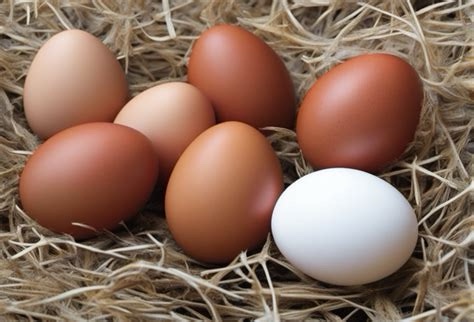
Eggs have been in the news – it’s their time. 😀 So, what can we learn more about them than their recent rising prices?
There are more to learn about eggs – I learned a couple of things writing this post. Read along to find out if you’ll learn somethings about eggs, too.
Types of Eggs
The question of how many types of eggs exist in the world can be approached from different angles, depending on whether you mean biological diversity, culinary uses, or something else.
Biologically, eggs are laid by a vast range of creatures — birds, reptiles, amphibians, fish, and even some mammals like monotremes (e.g., platypus and echidna). Birds alone account for over 10,000 species, each producing eggs that vary in size, shape, color, and shell texture. Reptiles add thousands more varieties, with eggs that can be leathery or hard-shelled. Fish and amphibians contribute an even broader range, though their eggs (often called roe or spawn) are typically soft and gelatinous, differing vastly between species — think caviar from sturgeon versus frogspawn. Monotreme eggs are rare, with only five living species producing them, and they’re leathery like reptile eggs.
If we narrow it to human consumption, the list shrinks but still diversifies. Chicken eggs dominate globally, with subtypes based on size, color (white, brown, blue-green from breeds like Araucana), and production methods (free-range, organic, etc.).
Do you know the egg categorizes? As already hinted, they can be by species, farming methods, and processing techniques. Let’s head to classroom Eggs 101:
By Species
Counting every species’ egg type is impractical—millions of egg-laying species exist, and many remain unstudied. A rough estimate, focusing on well-known groups, might land in the tens of thousands.
1. Chicken Eggs – The global staple; i.e, the most commonly consumed eggs worldwide.
2. Duck Eggs – Larger and creamier in flavor; higher in protein and fat than chicken eggs.
3. Quail Eggs – Small, speckled eggs with a delicate taste, often used in gourmet dishes.
4. Goose Eggs – Larger than chicken eggs, with a more intense flavor.
5. Turkey Eggs – Similar to duck eggs but less commonly available due to farming preferences.
6. Ostrich Eggs – The largest edible eggs; one can equal 24 chicken eggs.
7. Emu Eggs – Dark green eggs with a rich taste, similar to duck eggs.
8. Pheasant Eggs – Smaller than chicken eggs, with a richer yolk.
9. Gull Eggs – A delicacy in some cultures, often used in gourmet cooking.
By Farming Method
10. Conventional Eggs – From hens raised in battery cages.
11. Free-Range Eggs – From hens with outdoor access.
12. Pasture-Raised Eggs – From hens with significant outdoor foraging space.
13. Organic Eggs – From hens fed organic feed, without antibiotics or synthetic pesticides.
14. Omega-3 Enriched Eggs – From hens given a diet high in flaxseed or fish oil.
By Processing Method
15. Fresh Eggs – Standard raw eggs sold in grocery stores.
16. Pasteurized Eggs – Heated to kill bacteria while maintaining a raw state.
17. Hard-Boiled Eggs – Cooked and sold peeled or unpeeled.
18. Salted Eggs – Preserved with brine, common in Asian cuisine.
19. Century Eggs (Preserved Eggs) – Aged and fermented eggs with a jelly-like texture.
20. Pickled Eggs – Preserved in vinegar or brine.
21. Powdered (Dehydrated) Eggs – Used for baking or emergency food supplies.
22. Liquid Eggs – Pre-cracked and packaged, available as whole eggs, whites, or yolks.
The farming method of eggs is crucial because it affects the quality, nutrition, taste, and ethical aspects of egg production.
Let’s dive deeper into the different farming methods:
1. Conventional (Battery-Caged) Eggs
- Living Conditions: Hens are kept in small wire cages with minimal space (about the size of a sheet of paper per bird).
- Diet & Care: Fed a controlled diet with possible use of antibiotics and synthetic additives to boost production.
- Egg Characteristics: Typically uniform in size and color but may lack the rich flavor of free-range or pasture-raised eggs.
- Pros: Most affordable and widely available.
- Cons: Considered the least humane due to restricted movement; often criticized for poor animal welfare.
2. Free-Range Eggs
- Living Conditions: Hens have access to the outdoors but may still be housed in barns for most of the day. Outdoor time and space can vary.
- Diet & Care: Primarily grain-fed but may supplement their diet by foraging for insects and plants.
- Egg Characteristics: Generally have a richer taste and slightly darker yolks than conventional eggs.
- Pros: More humane than caged systems, better nutritional profile.
- Cons: “Free-range” is loosely regulated, so outdoor access might be minimal in some cases.
3. Pasture-Raised Eggs
- Living Conditions: Hens roam freely on open pasture with ample space to forage naturally.
- Diet & Care: Eat a natural diet of grass, bugs, and grains, resulting in better nutrition.
- Egg Characteristics: Deep orange yolks, richer taste, and higher nutrient content (e.g., omega-3s, vitamin D).
- Pros: Considered the most humane and healthiest option; better for the environment.
- Cons: More expensive due to higher farming costs.
4. Organic Eggs
- Living Conditions: Hens are raised in cage-free or free-range environments with organic standards.
- Diet & Care: Fed organic, non-GMO feed without synthetic pesticides, hormones, or antibiotics.
- Egg Characteristics: Similar to free-range eggs but with the added benefit of organic certification.
- Pros: Healthier due to the absence of chemicals; better farming conditions than conventional eggs.
- Cons: More expensive, and organic labeling doesn’t always guarantee significant outdoor access.
5. Omega-3 Enriched Eggs
- Cons: Farming conditions can vary, as omega-3 enrichment does not ensure humane treatment.
- Living Conditions: Can be raised in cages, barns, or free-range environments.
- Diet & Care: Hens are given a diet rich in flaxseed, fish oil, or algae to boost omega-3 fatty acid content.
- Egg Characteristics: Higher in omega-3s, making them a heart-healthy option.
- Pros: Great for people looking to increase their omega-3 intake.
Personal Experience
Growing up, we raised egg-producing hens. It was fun picking up the eggs and funnier when we cracked them up and found double yolks. In today’s terminology, those eggs were as organic as they come and the shells were a variety of browns (light, medium, and dark). I never saw a white egg until I migrated to the U.S.
To have all the different types in the market now, is a little bit much. Which one should you choose to buy? Here’s our take:
- For affordability → Conventional eggs
- For better taste & ethics → Free-range or pasture-raised eggs
- For maximum nutrition → Pasture-raised, organic, or omega-3 enriched eggs
- For environmental concerns → Organic or pasture-raised eggs
- For Animal Welfare: Pasture-raised, Free-range
- For Value (Ethical + Nutrition + Cost): Free-range or Omega-3 enriched
Brands by Farming Methods:
Here are some reputable egg brands categorized by their farming methods:
- Pasture-Raised Eggs:
• Vital Farms: Known for its commitment to humane animal treatment and transparency, Vital Farms offers pasture-raised eggs from hens that roam freely outdoors.
• Alexandre Family Farm: This brand adopts a holistic approach to egg production, earning high marks for quality and sustainability. - Organic Eggs:
• Pete & Gerry’s Organic Eggs: USDA Certified Organic and Certified Humane® Free-Range, these eggs come from hens that have access to organic pastures.
• 365 by Whole Foods Market: The store’s private label offers organic eggs that are widely available and well-reviewed for freshness and taste. - Free-Range Eggs:
• The Happy Egg Co.: Ensures hens have ample outdoor space with at least 14 square feet per bird, promoting natural behaviors.
• Trader Joe’s: Offers a variety of egg options, including free-range, with a reputation for affordability and quality. - Omega-3 Enriched Eggs:
• Eggland’s Best: These eggs have higher omega-3 fatty acids and vitamin E compared to standard eggs, achieved through a specialized hen diet.
When selecting eggs, consider factors such as animal welfare, nutritional content, and personal budget to make the best choice for your needs.
• Certifications: Look for labels like USDA Organic, Certified Humane, or Animal Welfare Approved to ensure high standards of animal welfare and product quality.
• Local Options: Purchasing from local farmers’ markets can provide fresh, high-quality eggs and support sustainable practices.
• Transparency: Brands that are open about their farming practices and supply chain often adhere to higher ethical and quality standards.
Eggshell Colors
The color of eggshells is a common consideration when buying eggs, but does it really matter? Let’s break it down.
What Determines Eggshell Color?
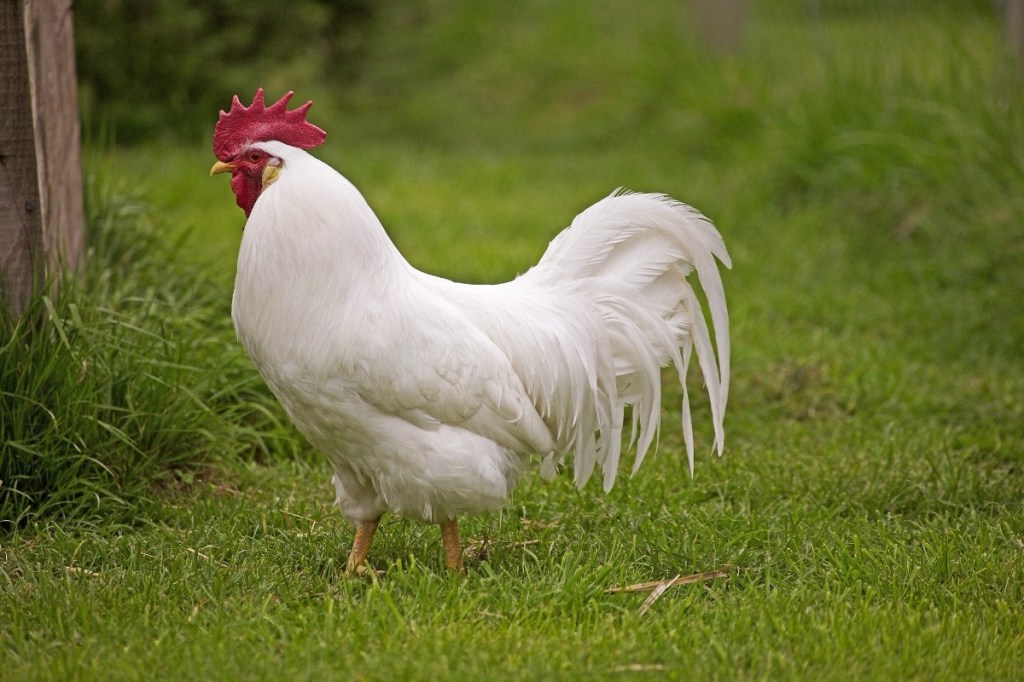
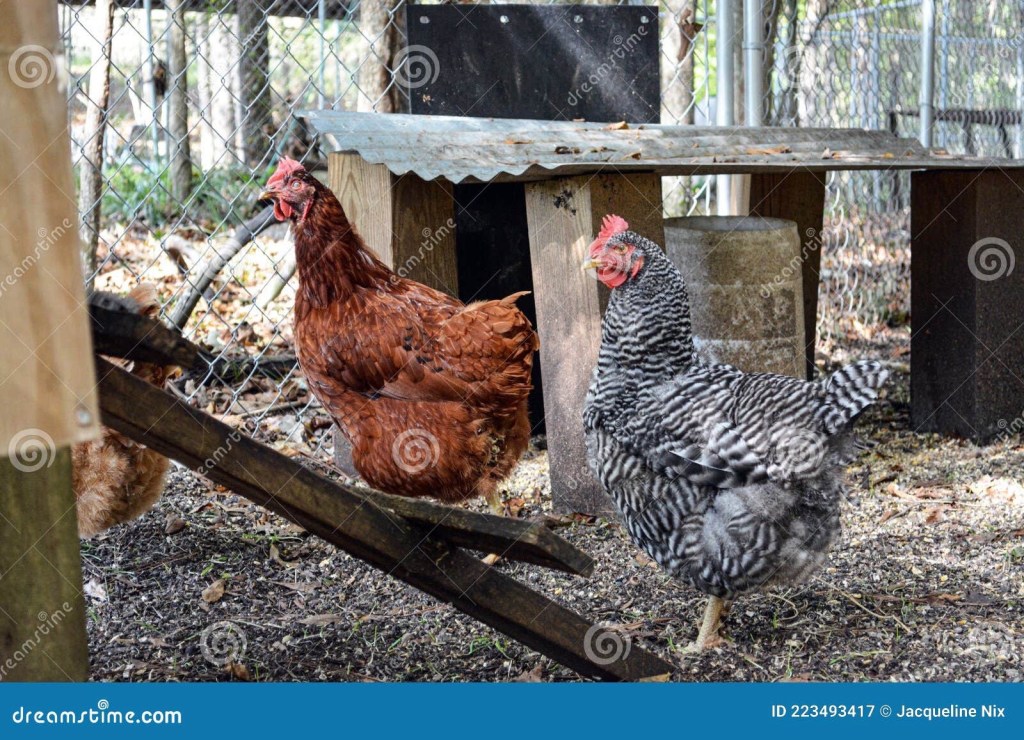
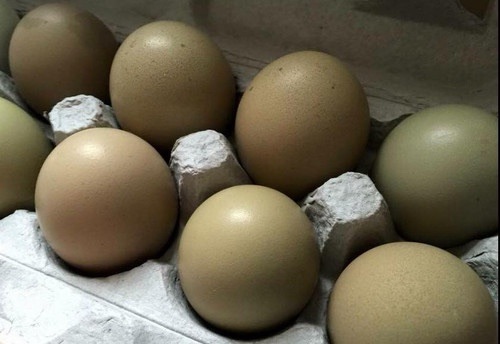
Eggshell color is determined by the breed of the hen, not the quality, taste, or nutritional value of the egg. Here are some common egg colors and the breeds that produce them:
• White Eggs → Laid by breeds like the White Leghorn.
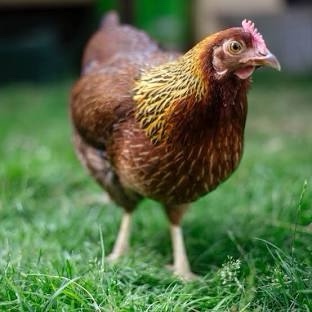
• Brown Eggs → Laid by breeds like Rhode Island Reds and Plymouth Rocks.
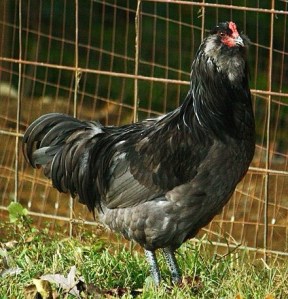
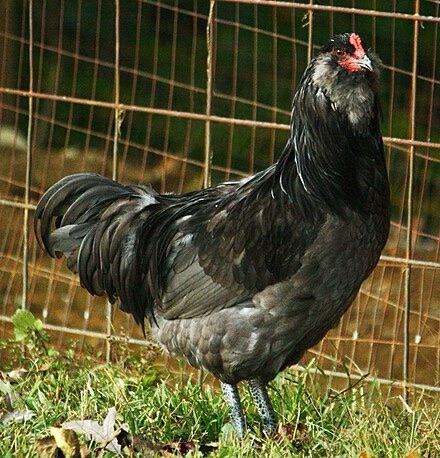
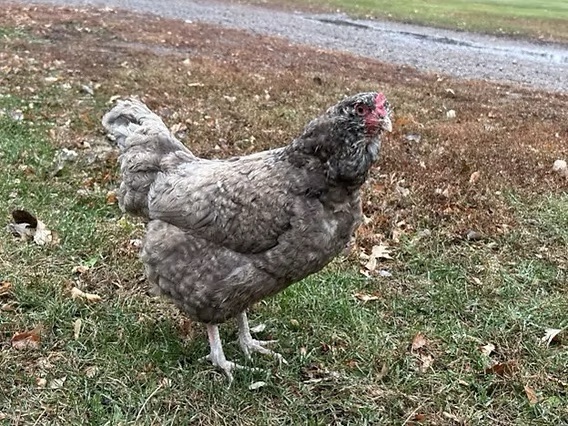
• Blue Eggs → Laid by breeds like the Araucana (originally from Chile) and Ameraucana (an American-breed of the Araucana; eliminate the lethal alleles of the parent breed.)
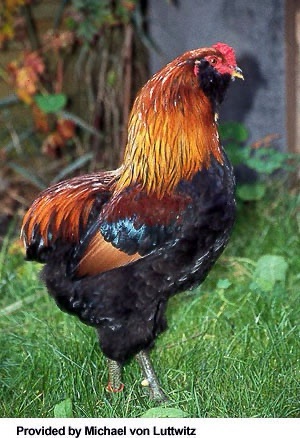
• Green Eggs → A mix of blue and brown layers, like Olive Eggers.
spectrum poultry
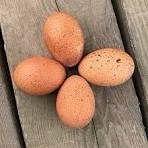
• Speckled or Tinted Eggs → Some hens, like Welsummers, lay brown eggs with darker speckles.
The eggshell color is determined by pigments deposited as the egg passes through the hen’s reproductive system. For instance:
- White eggs have no pigment.
- Brown eggs contain protoporphyrin, a pigment derived from hemoglobin.
- Blue eggs contain oocyanin, a pigment related to bile.
- Green eggs result from a combination of both pigments.
Does Shell Color Affect Nutrition, Taste, or Quality?
No. The nutritional content of an egg depends on the hen’s diet, not the shell color. A pasture-raised hen that eats a diverse diet will lay a more nutrient-dense egg — whether it’s brown, white, or blue.
A common myth is that brown eggs are healthier than white eggs. This is false. The only difference is the breed of the hen. The reason brown eggs tend to be more expensive is that brown-egg-laying hens are often larger and require more feed, raising production costs.
Factors to Consider When Choosing the Best Eggs?
Instead of focusing on shell color, consider these factors:
1. Farming Method → Pasture-raised, organic, and free-range eggs tend to be more nutritious.
2. Freshness → Fresher eggs have firmer whites and more rounded yolks. (Well, you wouldn’t know this until you crack the egg.)
3. Nutritional Content → Omega-3 enriched eggs offer additional health benefits.
4. Personal Preferences → Some people prefer brown eggs simply because they associate them with being more “natural” or “farm-fresh.”
In summary. shell color is purely cosmetic. The real factors that matter are the hen’s diet, living conditions, and egg freshness. Whether white, brown, blue, or green, the best eggs come from well-fed, well-cared-for hens.
How to Store Eggs for Maximum Freshness
- Store in the Fridge (Best Option!)
• Keep eggs at 35-40°F (1-4°C) for freshness.
• Store in their original carton to protect them from absorbing fridge odors.
• Shelf life:
• Fresh eggs: 4-5 weeks in the fridge.
• Hard-boiled eggs: 1 week in the fridge.
👉 Do NOT store eggs in the fridge door! The temperature fluctuates too much. Keep them on a shelf instead.
- Can You Freeze Eggs? Yes!
• Crack and whisk eggs before freezing.
• Pour into ice cube trays or freezer-safe containers.
• Storage time: Up to 1 year in the freezer.
• Thaw in the fridge before use.
👉 Do NOT freeze whole eggs in shells—they’ll expand and crack.
- Room Temperature Storage (Only for Fresh, Unwashed Eggs)
• In some countries (like Europe), eggs are not refrigerated because they aren’t washed, leaving the natural protective layer intact.
• If eggs are store-bought in the U.S. (washed and sanitized), they MUST be refrigerated.
- Can You Wash Eggs?
• Store-bought eggs: No need to wash them—this removes the protective coating and increases bacteria risk.
• Farm-fresh eggs: If dirty, gently dry-clean with a cloth. Wash only before using.
Egg Labeling Guide: What Do These Terms Really Mean?
Egg cartons have so many labels that it can be confusing to know what they actually mean. Here’s a breakdown of the most common terms to help you make informed choices.
- Based on Farming Practices
Cage-Free Hens are not kept in small cages but still live indoors in large barns with limited space. Slightly better, but still crowded.
Free-Range Hens have some access to the outdoors (how much varies by farm). Better than cage-free, but outdoor space may be limited.
Pasture-Raised Hens spend most of their time outdoors with plenty of space to roam and forage. Best option for animal welfare.
Conventional (No Label) Hens are typically kept in battery cages with very little space. Worst for animal welfare.
👉 Best Choice for Animal Welfare: Pasture-Raised
- Based on Diet & Feed
Organic Hens eat organic, non-GMO, pesticide-free feed. No antibiotics or synthetic hormones are used. Generally healthier due to cleaner feed.
Omega-3 Enriched Hens are fed flaxseed or fish oil to boost omega-3 fatty acid content in eggs. Better for heart health.
Vegetarian-Fed Hens are fed a plant-based diet (no animal byproducts). Not necessarily better, since chickens naturally eat bugs.
👉 Best Choice for Nutrition: Omega-3 Enriched & Organic
- Based on Certification & Quality
USDA Grade AA, A, or B Indicates egg quality based on freshness, shell condition, and yolk firmness. Grade AA is best. Useful for knowing freshness.
Certified Humane. Ensures better living conditions for hens, like more space and access to perches/nesting areas. Trustworthy for better treatment.
Animal Welfare Approved. A stricter certification than Certified Humane, ensuring even better conditions for hens. Highly reliable.
👉 Best Certification for Animal Welfare: Animal Welfare Approved
What’s the Best Egg to Buy?
It depends on your priorities: affordability, taste, nutrition, and whether or not you care about animal welfare.,
• For the best taste & nutrition → Organic, pasture-raised, omega-3 enriched.
• For animal welfare → Pasture-raised & Animal Welfare Approved.
• For affordability → Cage-free or free-range.
Here’s a ranking of some top egg brands, considering quality, nutrition, farming practices, and certifications.
Best Egg Brands to Buy (Ranked by Quality & Ethics)
- Vital Farms (⭐⭐⭐⭐⭐)
• Type: Pasture-Raised, Organic options available
• Why It’s Great: Hens roam on 108+ square feet per bird, much more than most pasture-raised brands.
• Certifications: Certified Humane, Non-GMO, Organic options
• Best For: Top-tier quality, ethical farming, and rich-tasting eggs. - Handsome Brook Farm (⭐⭐⭐⭐⭐)
• Type: Pasture-Raised, Organic
• Why It’s Great: Family-owned farms with small flocks, ensuring humane conditions.
• Certifications: USDA Organic, Certified Humane, Free of antibiotics & GMOs
• Best For: Those who want organic & ethical eggs at a fair price. - Happy Egg Co. (⭐⭐⭐⭐)
• Type: Free-Range & Pasture-Raised options
• Why It’s Great: Pasture-raised hens get over 8 acres of roaming space.
• Certifications: Certified Humane, No Antibiotics
• Best For: A more affordable pasture-raised option. - Pete & Gerry’s (⭐⭐⭐⭐)
• Type: Organic, Free-Range
• Why It’s Great: Family-owned farms with organic-fed hens and no antibiotics.
• Certifications: Certified Humane, USDA Organic
• Best For: Organic eggs that are still affordable. - Eggland’s Best (⭐⭐⭐⭐)
• Type: Conventional, Cage-Free, Organic, Omega-3 Enriched
• Why It’s Great: High in omega-3s & vitamin D (due to hen diet).
• Certifications: USDA-Approved, Vegetarian-Fed, No Antibiotics
• Best For: Budget-friendly eggs with added nutrition. - Kirkland Organic (Costco) (⭐⭐⭐⭐)
• Type: Organic, Cage-Free
• Why It’s Great: USDA Organic at a lower price than premium brands.
• Certifications: USDA Organic, Cage-Free
• Best For: Affordable organic eggs in bulk. - 365 by Whole Foods Market (⭐⭐⭐)
• Type: Cage-Free, Organic, Omega-3
• Why It’s Great: Reliable and budget-friendly organic eggs.
• Certifications: USDA Organic, Cage-Free
• Best For: Good quality organic eggs at a reasonable price.
As kids, Sunday was our eggs day. We delightfully look forward to the day. I hope that the recent hike in egg prices will not affect households’ choice of breakfast.
The prices have come down a bit with government intervention of importing eggs from Brazil. But, we’re hoping that the prices will go down further.
Here’s to more eggs on your Sunday breakfast table, 🥂☕️🫖
 Think-Talk
You are such an encourager. Thank you kindly.
I hope we’d have a surplus of eggs by/before Easter. If not, the plastic ones can do for the kids to have some fun. 😄
LikeLike
Goodness, you’ve brought so much together and explained it all so clearly. For me, this time of year was good for eggs because we’d color them for Easter.
LikeLike