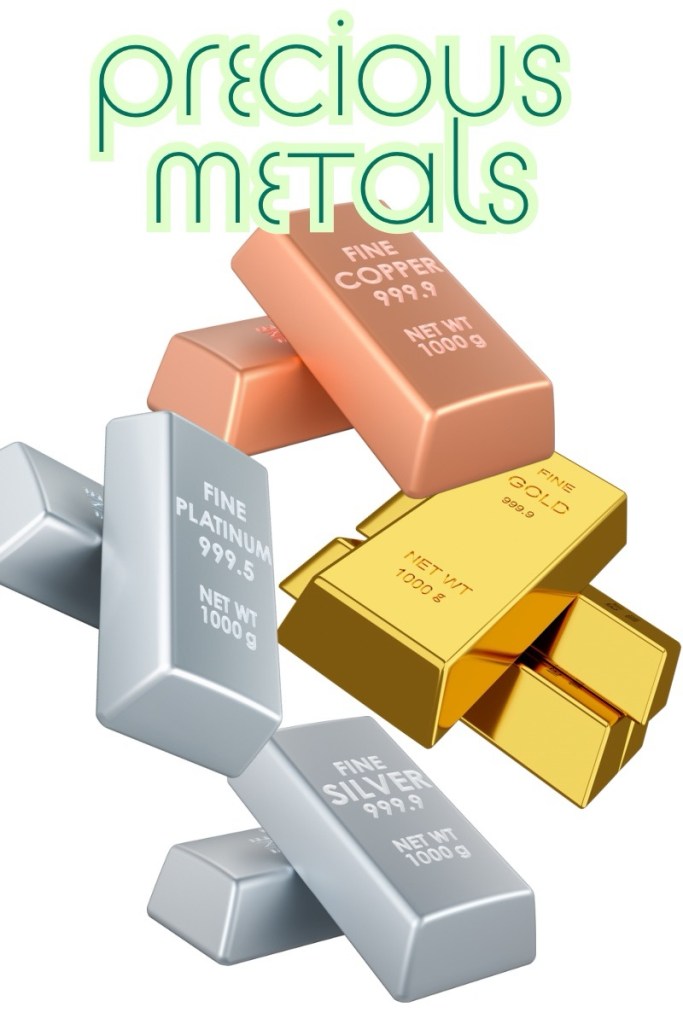
Investing in (precious metals) gold, silver, and platinum can be a solid strategy for diversification, wealth preservation, and hedging against inflation. These precious metals are tangible assets with intrinsic value, and they tend to perform well during economic downturns or times of high inflation. Here’s a breakdown of each metal and the different ways to invest in them:
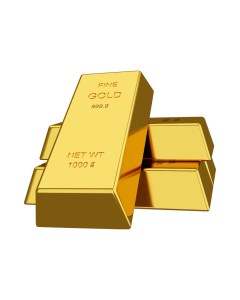
- Gold
Why Invest?
• Inflation Hedge: Gold typically holds value when the dollar weakens.
• Safe Haven Asset: Investors turn to gold during economic uncertainty.
• Store of Value: Unlike fiat currency, gold has intrinsic value and a long history of wealth preservation.
Ways to Invest
• Physical Gold: Buy gold bars, coins, or jewelry.
• Gold ETFs & Mutual Funds: Exchange-traded funds (ETFs) track the price of gold without requiring physical storage.
• Gold Mining Stocks: Invest in companies that mine gold.
• Gold Futures & Options: Contracts that allow speculation on gold’s price movements.
• Gold IRAs: Tax-advantaged retirement accounts holding gold.

- Silver
Why Invest?
• Industrial Demand: Used in electronics, solar panels, and medical applications.
• Cheaper than Gold: More accessible for small investors.
• Inflation Hedge & Safe Haven: Similar to gold, though more volatile.
Ways to Invest
• Physical Silver: Coins and bars (e.g., American Silver Eagles).
• Silver ETFs & Mutual Funds: Track silver prices.
• Silver Mining Stocks: Investing in companies extracting silver.
• Silver Futures & Options: Speculative trading on silver prices.
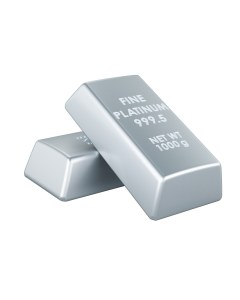
- Platinum
Why Invest?
• Industrial Use: Primarily used in the automotive industry for catalytic converters.
• Rarer than Gold & Silver: Less supply can mean higher price swings.
• Potential for High Returns: More volatile than gold but can offer higher rewards.
Ways to Invest
• Physical Platinum: Bars and coins (though less common).
• Platinum ETFs & Mutual Funds: Track platinum prices.
• Platinum Mining Stocks: Exposure to companies mining platinum.
• Platinum Futures & Options: For experienced traders.
Investing in Commodities (Gold, Silver, Platinum Futures)
Commodities as an Investment
• Commodities refer to raw materials like gold, silver, and platinum traded on exchanges.
• They are often bought and sold via futures contracts, where investors speculate on future prices.
• Commodities can be highly volatile but offer strong hedging opportunities.
Ways to Invest in Commodities
• Futures Contracts: Agreements to buy/sell a commodity at a future date.
• Commodities ETFs: Funds that track the performance of commodity prices.
• Mining Stocks & Funds: Investing in companies producing precious metals.
• Physical Commodities: Buying actual metals (gold, silver, platinum) and storing them.
Risks & Considerations
• Volatility: Prices fluctuate based on economic conditions, supply-demand, and geopolitical factors.
• Storage & Insurance Costs: Physical metals require safekeeping.
• Market Liquidity: Some metals (like platinum) have lower liquidity than gold.
• Industrial Dependency: Platinum and silver are influenced by industry demand, while gold is more of a monetary metal.
A Deep Dive into Futures Contracts on Commodities:
What is a Futures Contract?
A futures contract is a legally binding agreement to buy or sell a specific commodity (e.g., gold, silver, or platinum) at a predetermined price on a future date. These contracts are standardized and traded on futures exchanges.
Futures allow investors to speculate on price movements without owning the physical commodity. They can be used for hedging (risk management) or speculation (profit-making).
How Do Futures Contracts Work?
1. Agreement Between Buyer & Seller
• Buyer (long position): Agrees to purchase the commodity at a set price on a future date, expecting prices to rise.
• Seller (short position): Agrees to deliver the commodity at that price, expecting prices to drop.
2. Leverage & Margin
• Futures contracts are traded on margin, meaning you only need to put up a percentage of the contract’s total value. This allows for greater exposure with less capital, but also increases risk.
3. Expiration & Settlement
• Futures contracts have expiration dates, after which they are settled either:
• Physically: The actual commodity is delivered (rare for retail traders).
• Cash Settlement: The contract is closed at the current market price, and the difference is paid or received.
4. Mark-to-Market
• Futures positions are marked-to-market daily, meaning profits and losses are adjusted based on daily price movements.
Getting Started with Futures Trading
- Understand the Basics
• Learn about contract specifications (size, expiration dates, tick sizes, margin requirements).
• Study the market factors affecting commodity prices, such as supply, demand, inflation, geopolitical events, and central bank policies. - Choose a Commodity to Trade
• Gold Futures (GC): Standard contract = 100 troy ounces.
• Silver Futures (SI): Standard contract = 5,000 troy ounces.
• Platinum Futures (PL): Standard contract = 50 troy ounces. - Open a Futures Trading Account
• Choose a broker registered with the Commodity Futures Trading Commission (CFTC).
• Examples of brokers: Interactive Brokers, TD Ameritrade, NinjaTrader, TradeStation.
• Brokers require a minimum deposit, typically $5,000–$10,000 for beginners. - Fund Your Account & Meet Margin Requirements
• Initial margin: The amount required to open a position.
• Maintenance margin: The minimum balance needed to keep the position open.
• If your account falls below the maintenance margin, you’ll receive a margin call requiring more funds or closing the trade. - Choose a Trading Strategy
• Hedging: Used by producers (miners) and consumers (jewelers, manufacturers) to lock in prices.
• Speculation: Traders aim to profit from price fluctuations using technical analysis (charts, trends) or fundamental analysis (economic data, geopolitical risks). - Monitor & Manage Risks
• Use stop-loss orders to limit potential losses.
• Be aware of leverage risks—small price changes can lead to large gains or losses.
• Track commodity news and global economic trends. - Exit the Trade
• Close your position before expiration to avoid physical delivery.
• If cash-settled, your broker will handle the final transaction.
Pros & Cons of Futures Trading
Pros:
✔ High Leverage: Amplifies gains with less capital.
✔ Liquidity: Futures markets are highly liquid, making it easy to enter/exit trades.
✔ Diversification: Offers exposure to commodities beyond stocks and bonds.
✔ Hedging Tool: Businesses use it to lock in stable prices for goods.
Cons:
✘ High Risk: Leverage magnifies losses as well as gains.
✘ Margin Calls: If prices move against you, you must deposit more funds.
✘ Market Volatility: Commodity prices can be unpredictable.
✘ Expiration Dates: Contracts have fixed timelines, unlike stocks.
Conclusion
Gold, silver, and platinum each have unique benefits and risks, making them valuable for different investment strategies. While gold is the go-to safe-haven asset, silver offers industrial upside, and platinum provides high-reward opportunities due to its rarity. Investing through physical assets, ETFs, mining stocks, or futures depends on your risk tolerance and investment goals.
Futures contracts on commodities like gold, silver, and platinum are a powerful tool for hedging, speculation, and portfolio diversification. However, they carry significant risks due to leverage and price volatility.
For beginners, it’s crucial to start with a demo account, understand margin requirements, and develop a solid trading plan.
 Think-Talk